About this event
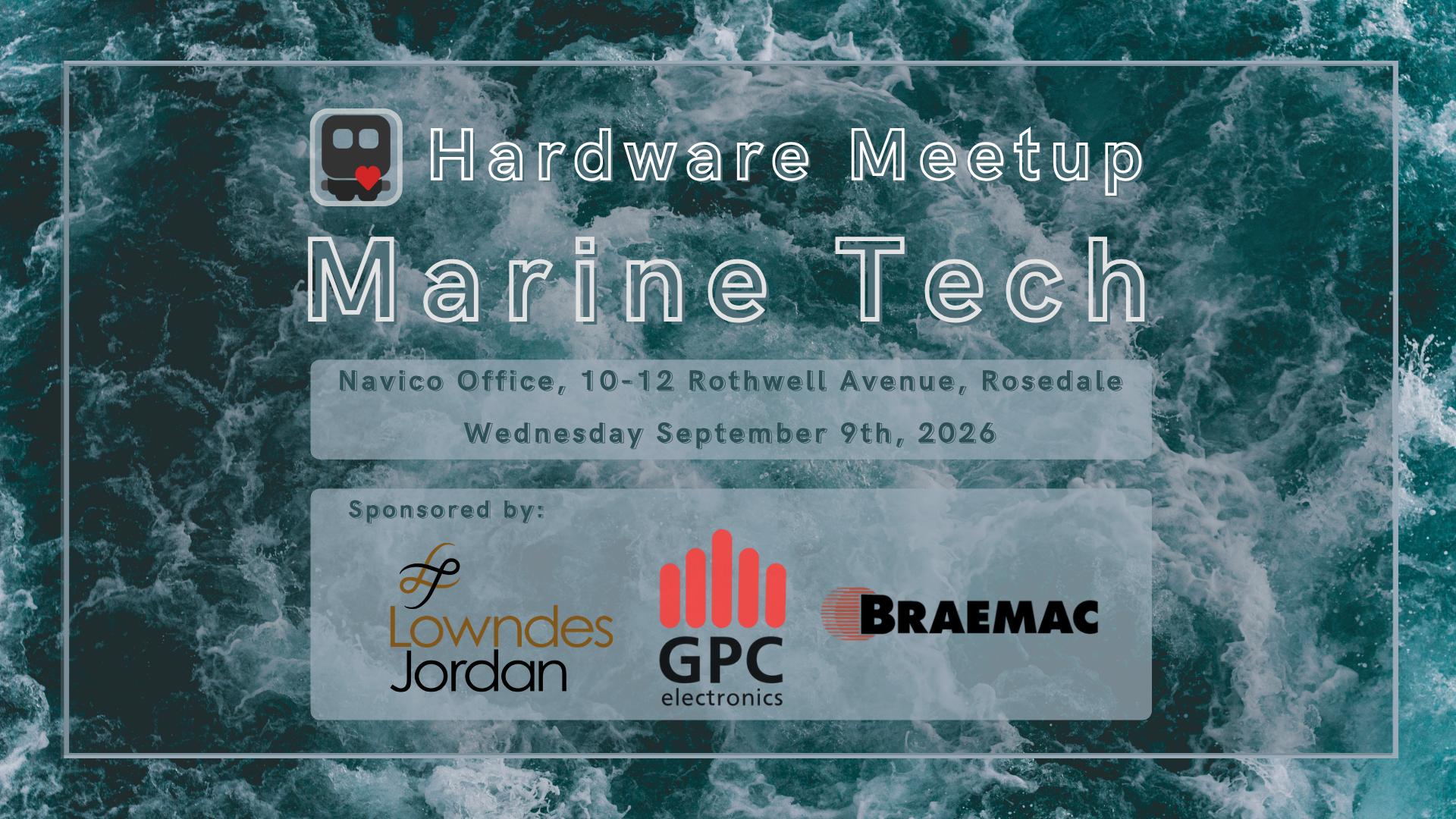
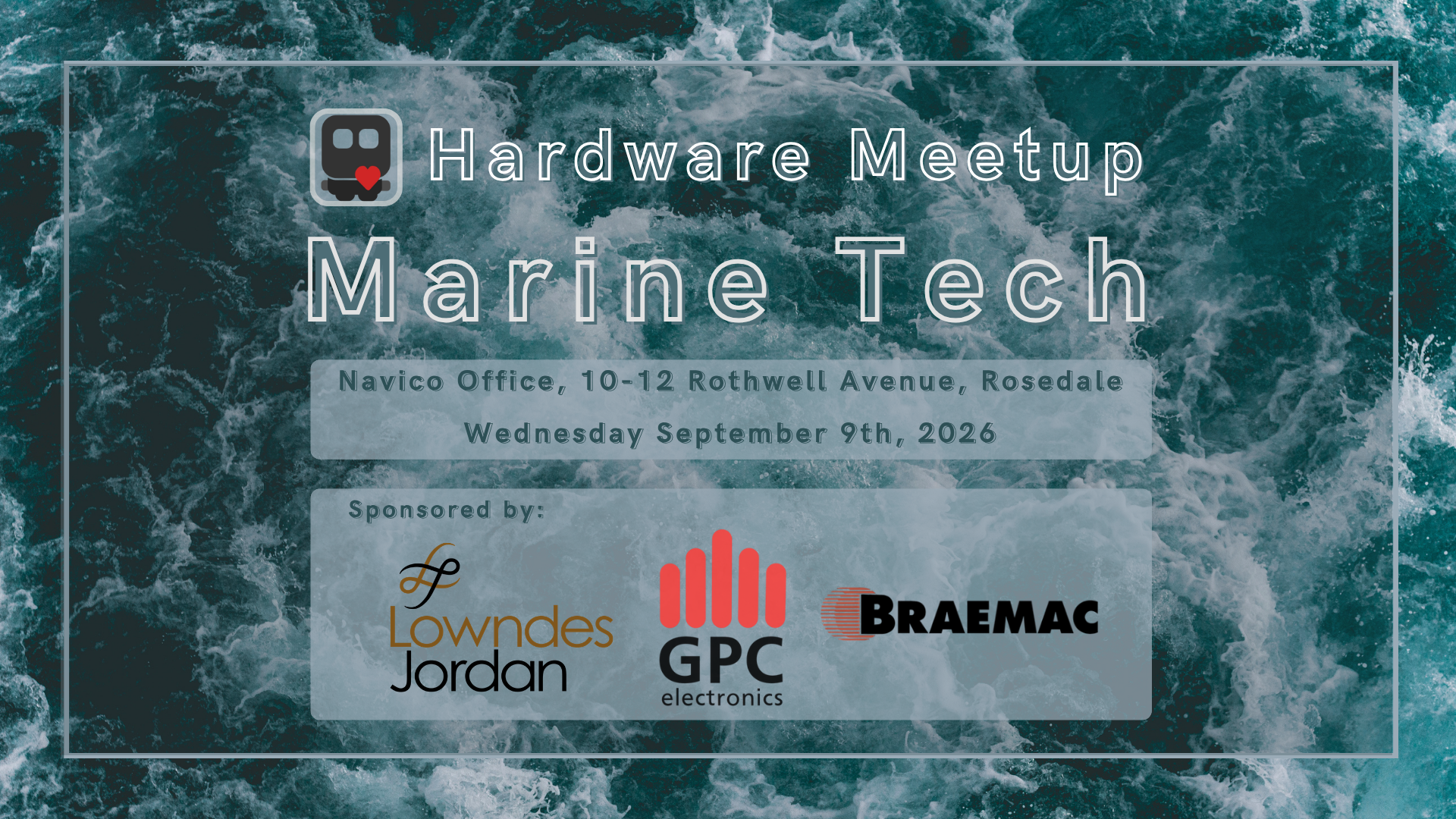
Hardware Meetup NZ hosted an exciting evening on 9 September 2026 at the Navico Office in Rosedale, where we showcased several companies leading the way in Marine Tech innovation!
Did you know that one in 3 Kiwis owned a boat? The ocean was vast, and so was their market! This event featured talks from representatives of well-established as well as up-and-coming marine tech companies building the future at sea.
Hardware Meetup New Zealand: From Marine Electronics to Boats That Fly and Rescue Technology Seen from Space
How do you build electronics that survive years at sea, make an electric passenger boat fly above the waves, or help rescuers find a small vessel in the Pacific? Hardware Meetup New Zealand’s event brought the community together at Navico Group’s Auckland premises to explore those questions—and the people and practical engineering behind the answers.
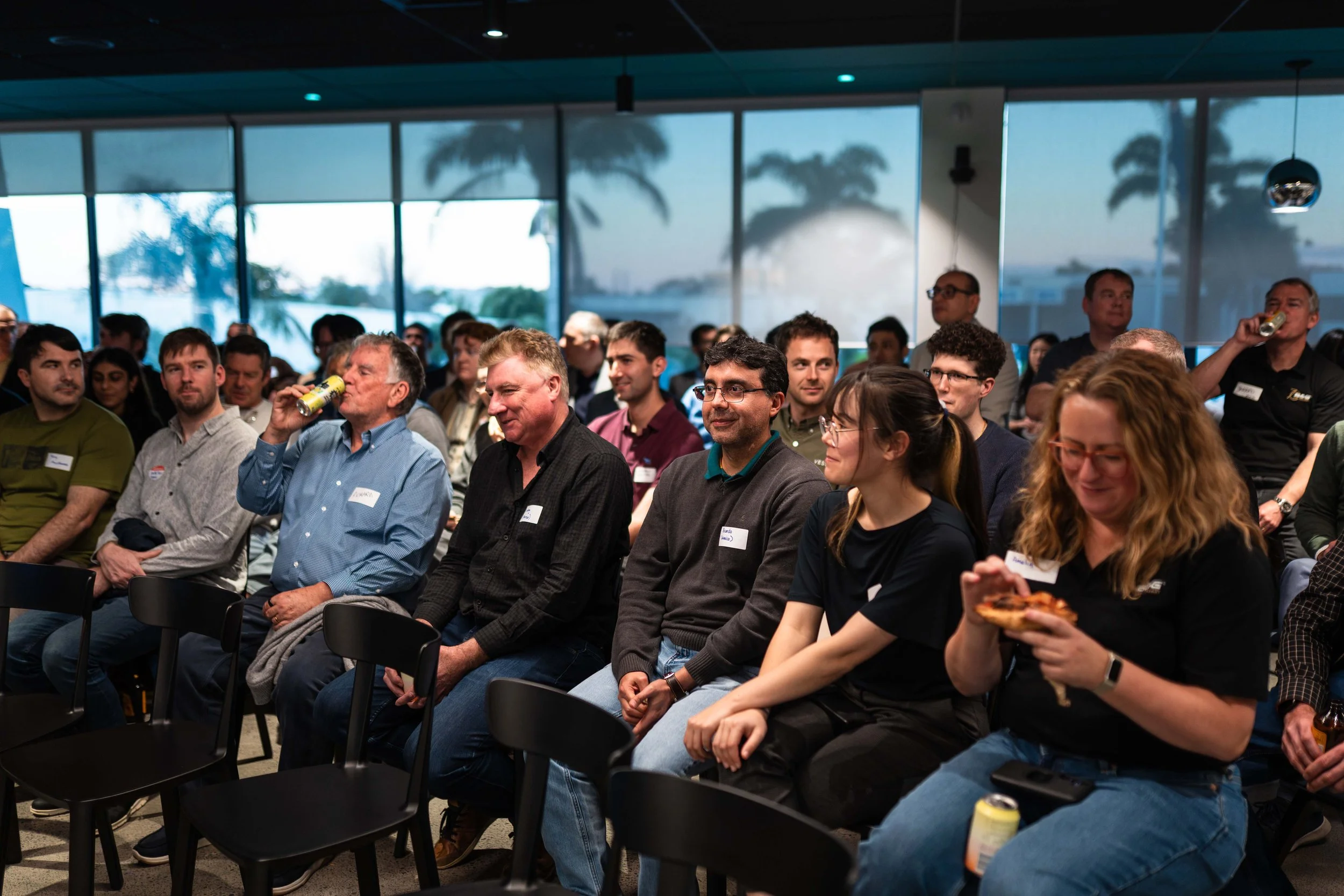
Mikayla opened the evening by welcoming familiar faces and newcomers to what she described as the meetup’s biggest event yet. Since starting in 2016, Hardware Meetup has brought engineers, founders and hardware enthusiasts together to share ideas, find collaborators and learn from one another. That friendly, informal spirit carried through the evening.
She thanked Navico for hosting and acknowledged the sponsors: Lowndes Jordan, GPC Electronics and Braemac. The introductions highlighted support spanning commercial and maritime law, electronics manufacturing, components, embedded computing, and test and measurement. Braemac also received a special thank-you for helping organise speakers.
Ruan van Vuren: What it takes to build electronics for life at sea
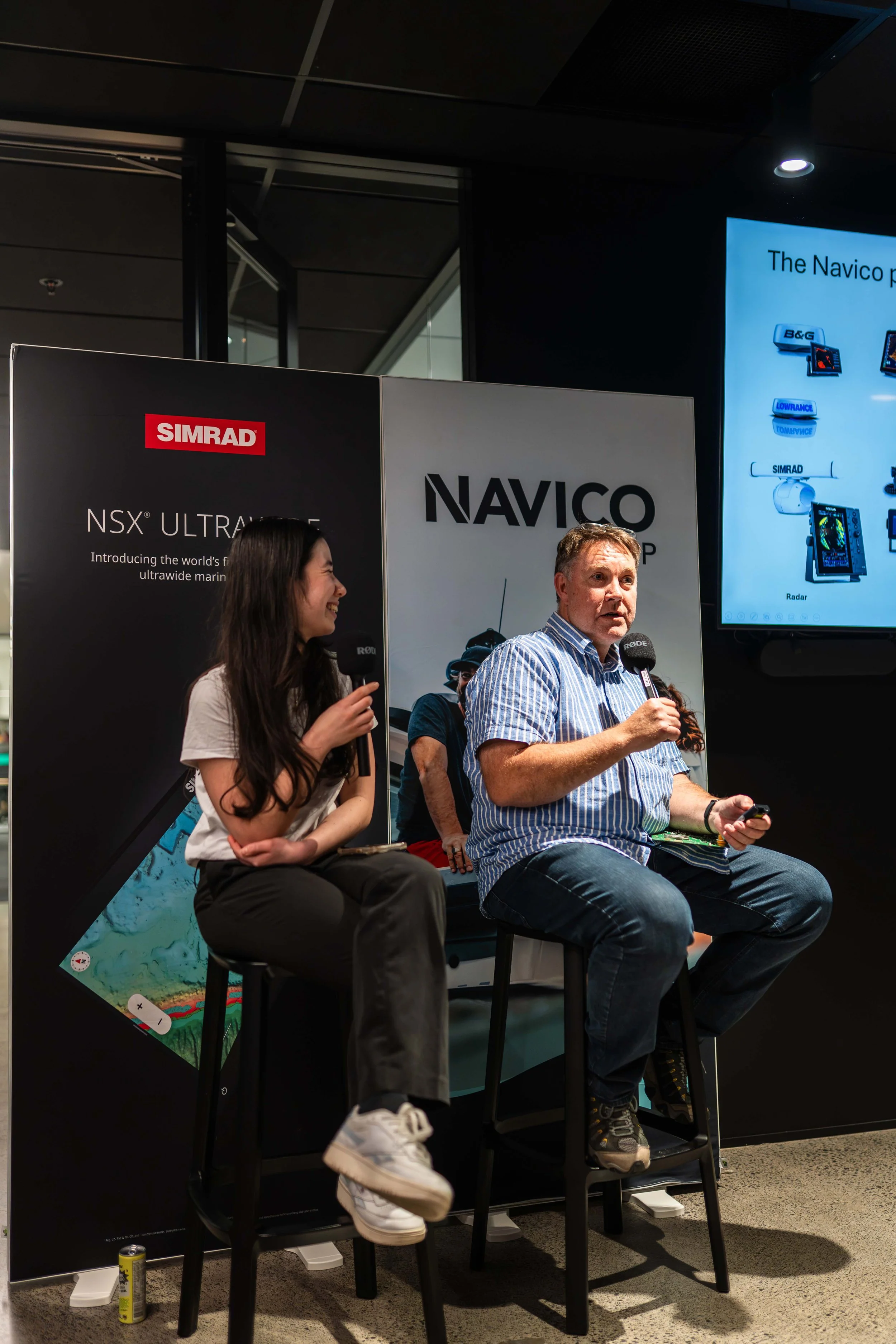
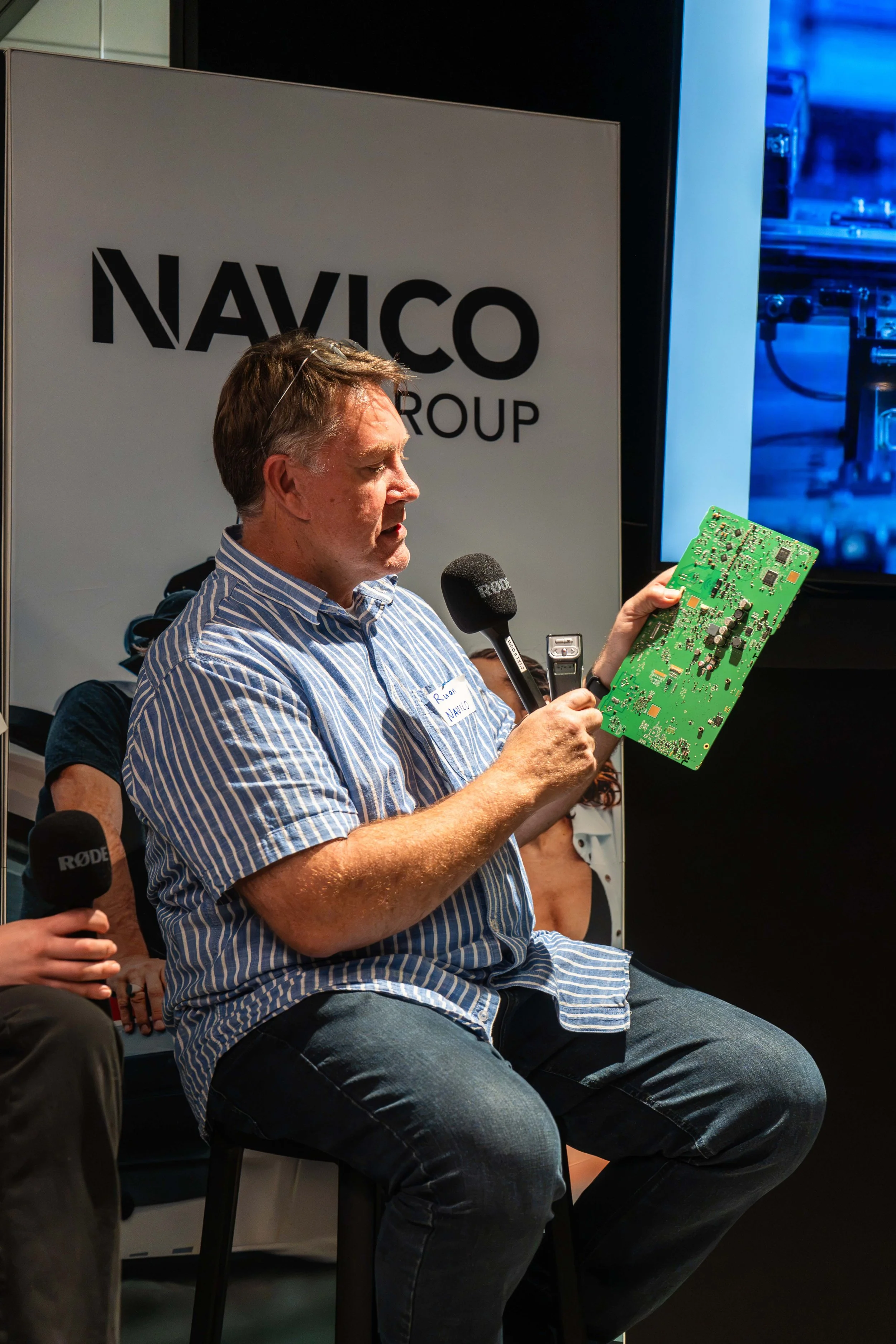
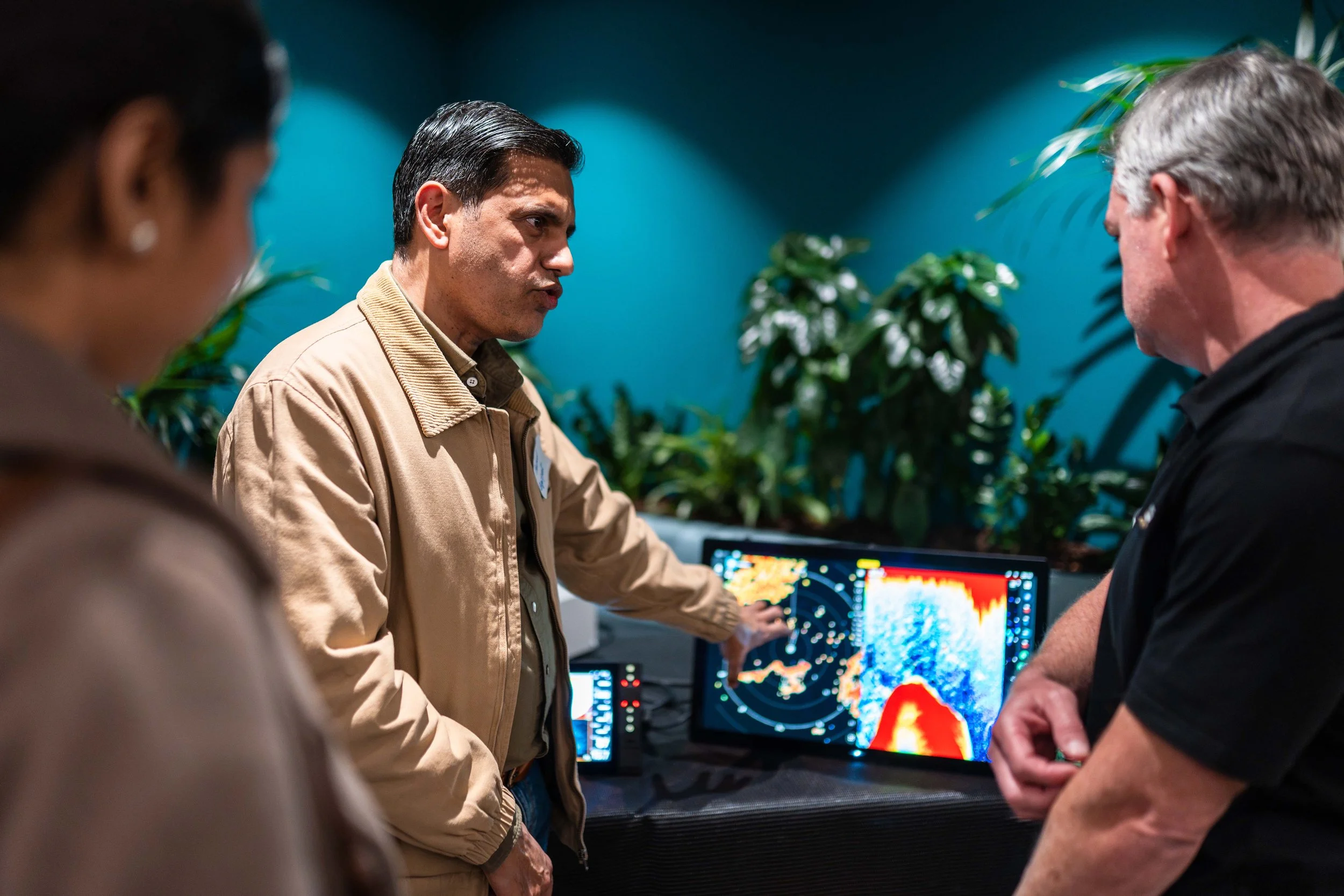
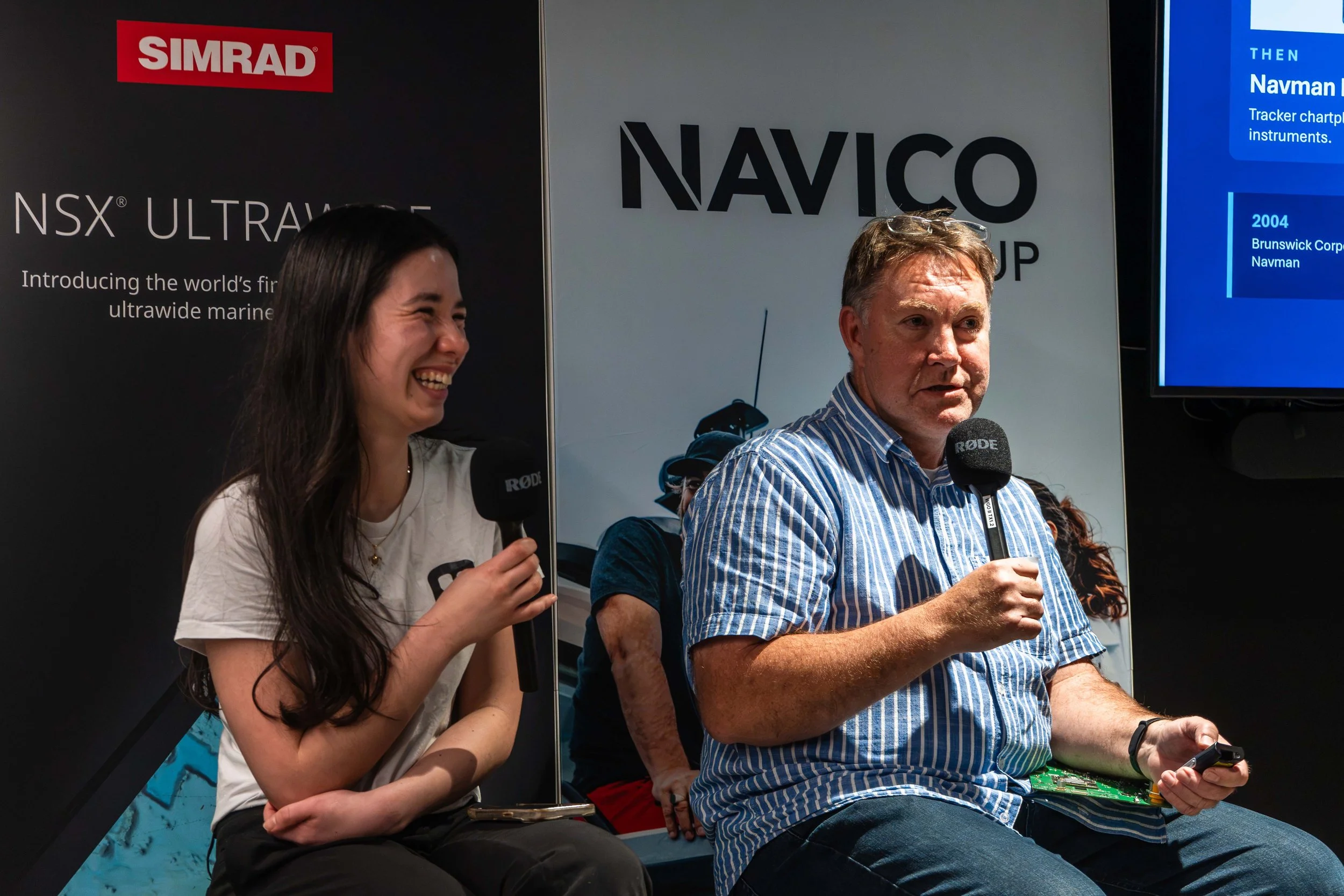
First up was Ruan van Vuren from Navico Group, whose marine products include chartplotters, fish finders, radar, autopilots and instruments.
Ruan explained that good product development begins with understanding the person using the equipment. Navico encourages its engineers to get out on the water, giving them direct experience of the conditions and practical challenges their designs need to address.
From there, he walked through the journey from circuit schematics and design reviews to simulation, circuit-board layout and manufacturing. His explanation made the small details memorable: even soldering components onto a board requires a carefully controlled temperature profile. Get it wrong and a component can stand upright on one end—a fault known as “tombstoning”.
Building the board is only part of the job. Marine electronics must withstand water, temperature changes, humidity, vibration and repeated impacts. Ruan described Navico’s in-house testing facilities, including electromagnetic compatibility chambers, water testing and a machine that subjects products to repeated 20g shocks.
He also explained why fish appear as arches on a fish finder: the distance between the fish and the transducer changes as the boat passes overhead, creating the familiar shape on screen.
The discussion returned to people as well as products. Reliable marine equipment depends on close collaboration between hardware, mechanical and software teams. For aspiring engineers, Ruan highlighted curiosity, reliability and enthusiasm for building things, including personal hardware projects.
Gary Jolliffe: Bringing electric hydrofoiling into commercial use
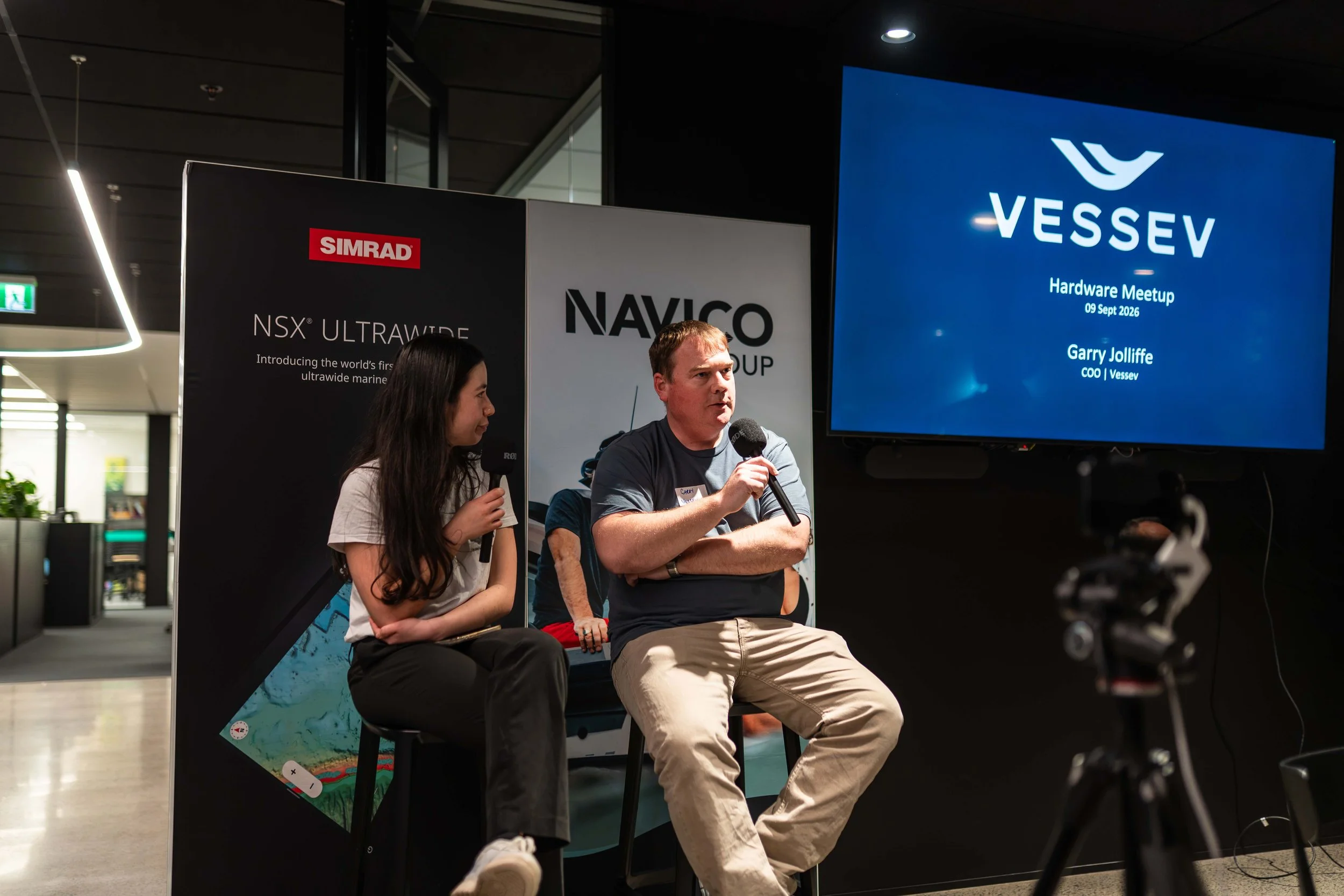
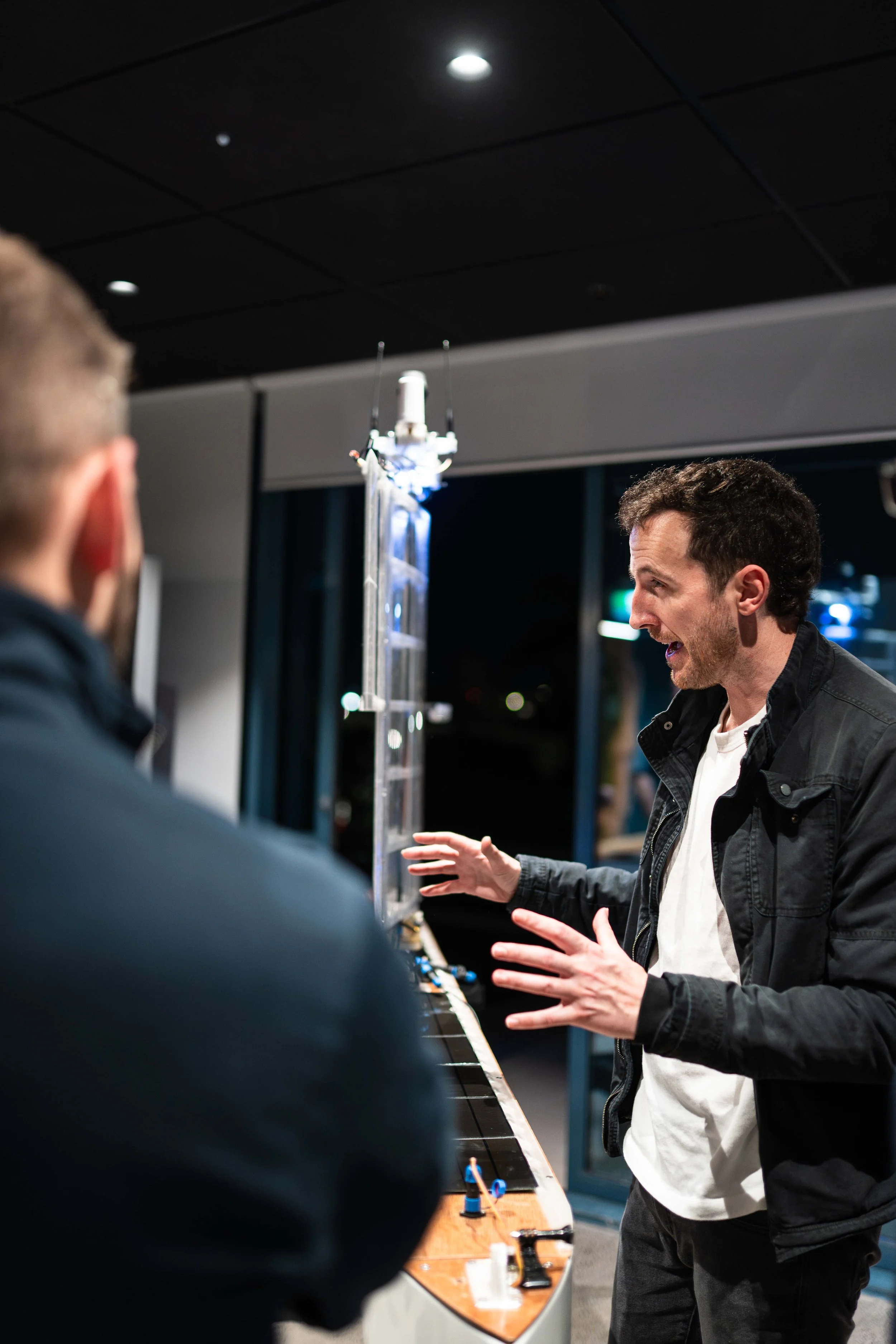
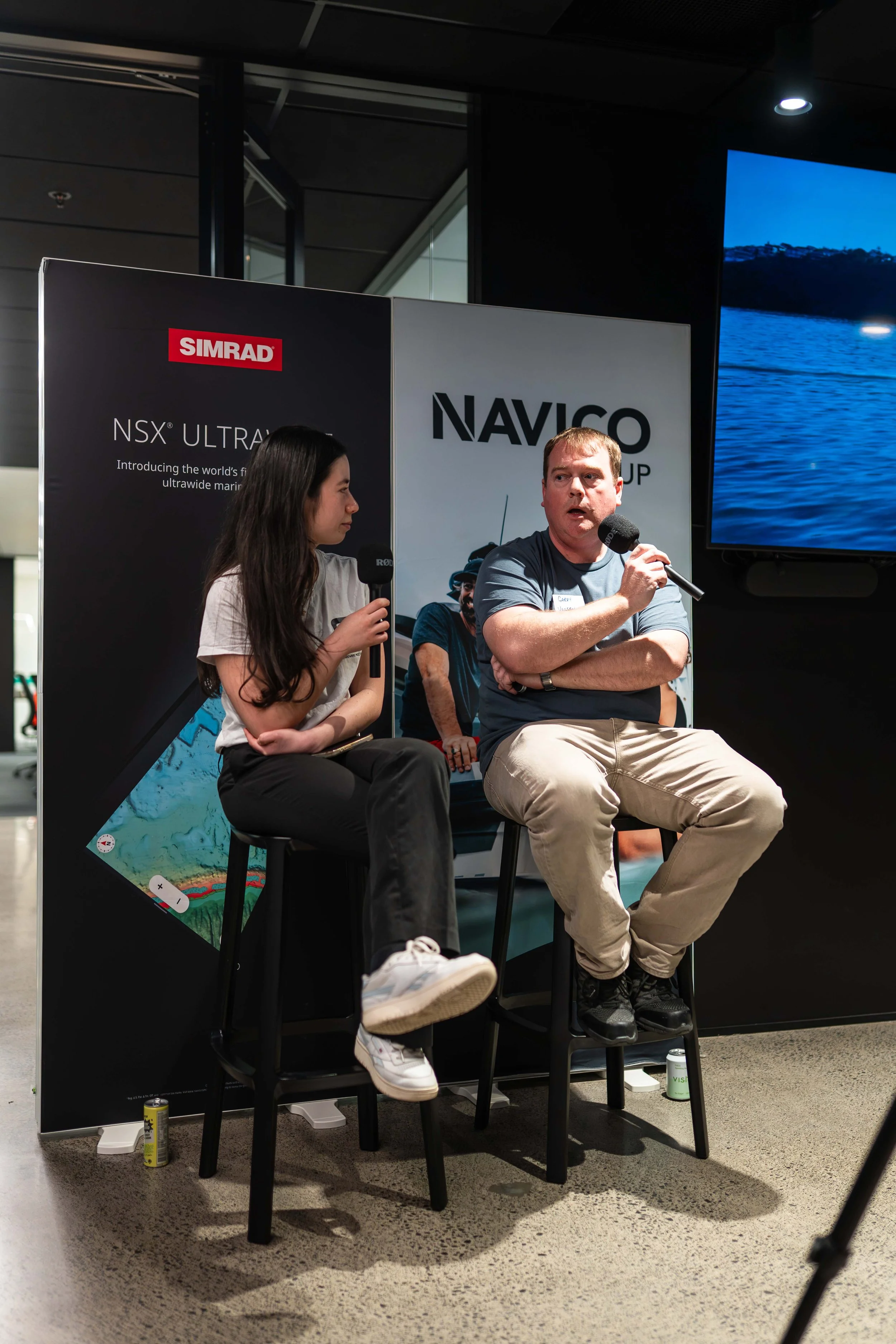
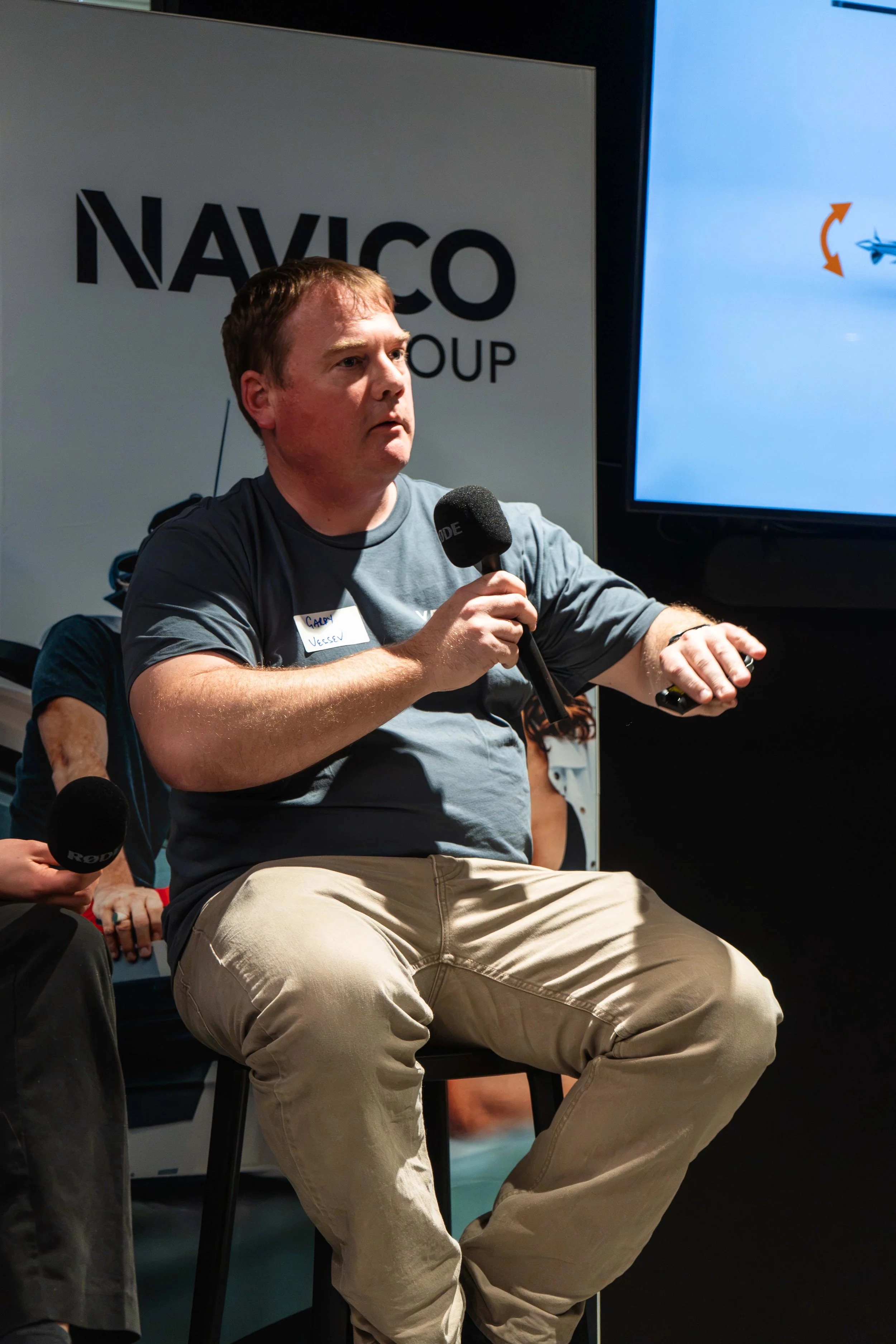
Gary Jolliffe, COO of Vessev, followed with a look inside the development of the VS9, the company’s fully electric hydrofoiling passenger vessel.
Designed for 10 passengers and two crew, the VS9 lifts its hull roughly half a metre above the water. Gary explained how submerged foils and actively controlled flaps keep the vessel stable, with control software recalculating around 50 times a second to respond to waves, wind and changes in weight distribution.
The result brings together several fields: marine engineering, carbon-fibre construction, electric vehicle technology, batteries, robotics and control systems.
Weight is a central challenge. With around 800 kilograms of batteries aboard, Vessev uses carbon-fibre structures to save weight elsewhere. Gary showed how the team manufactures large composite parts using resin infusion, while the foils require precisely arranged layers of carbon fibre cured under heat and pressure.
He also shared the realities of turning a prototype into a commercial product. Getting the first vessel onto the water helped demonstrate the technology and secure funding to continue development. Subsequent work brought the preferred electric drive system into the design and shifted attention towards production and international certification.
Certification remains a major challenge, Gary explained, because emerging marine technologies do not always fit neatly into established design codes.
With engineering and build teams working together under one roof in Mount Wellington, Vessev offered another example of how many disciplines contribute to a hardware product. Gary also highlighted engineering roles and summer internships advertised at the time of the event.
One-minute pitches: Projects, opportunities and requests for help
After Gary’s presentation, the microphone moved to the audience for the meetup’s one-minute pitches. The session gave people a chance to ask for help, share a project or connect with potential colleagues.
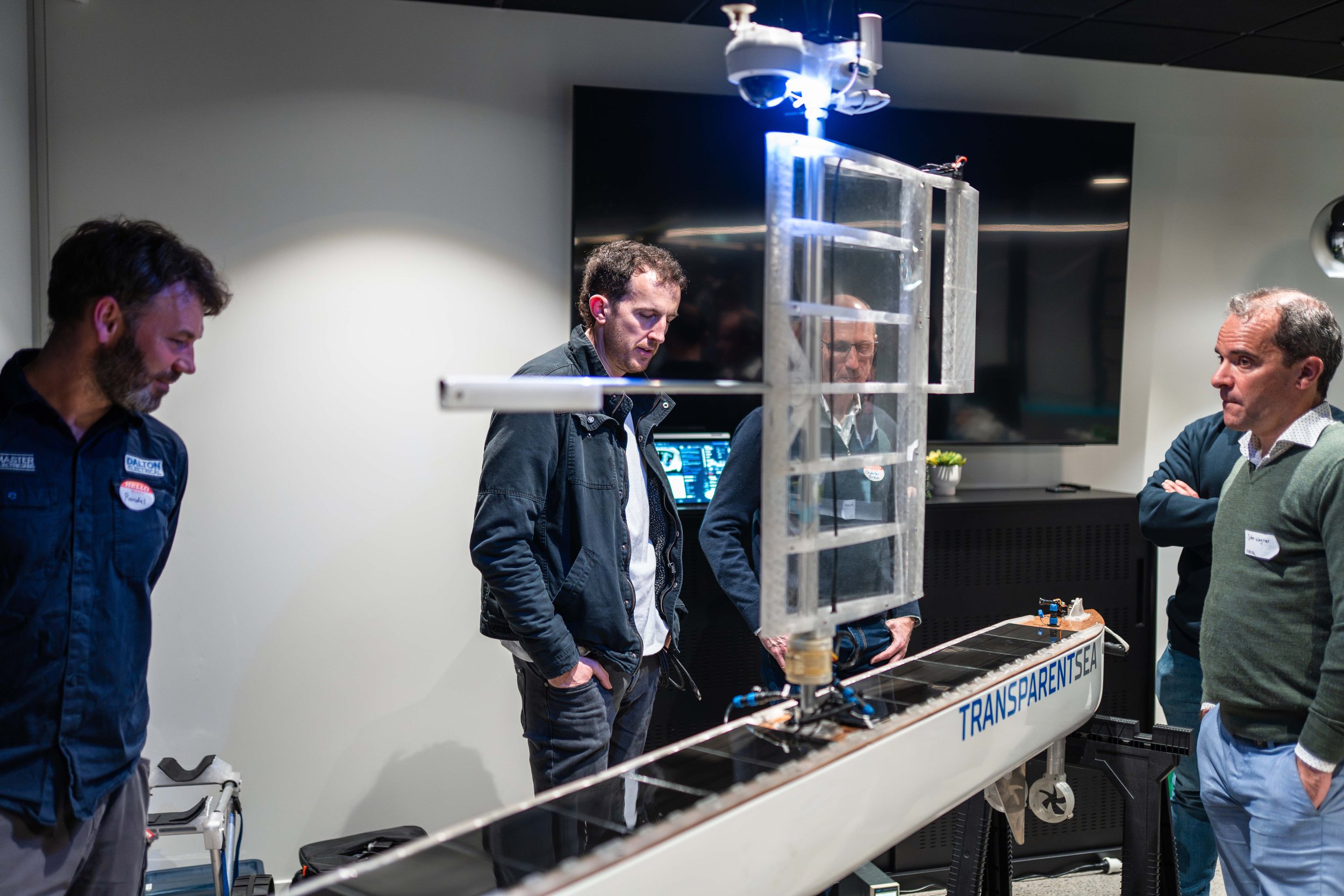
One returning participant showed how a personal ocean-going drone boat project, previously introduced at Nerd Night, had developed into a potential commercial opportunity for collecting ocean data.
The pitches also included:
Recruitment announcements from FlexWare, Halter, Compac and Calibre Design, covering engineering roles and internship opportunities.
A researcher seeking engineering participants for cybersecurity interviews and surveys.
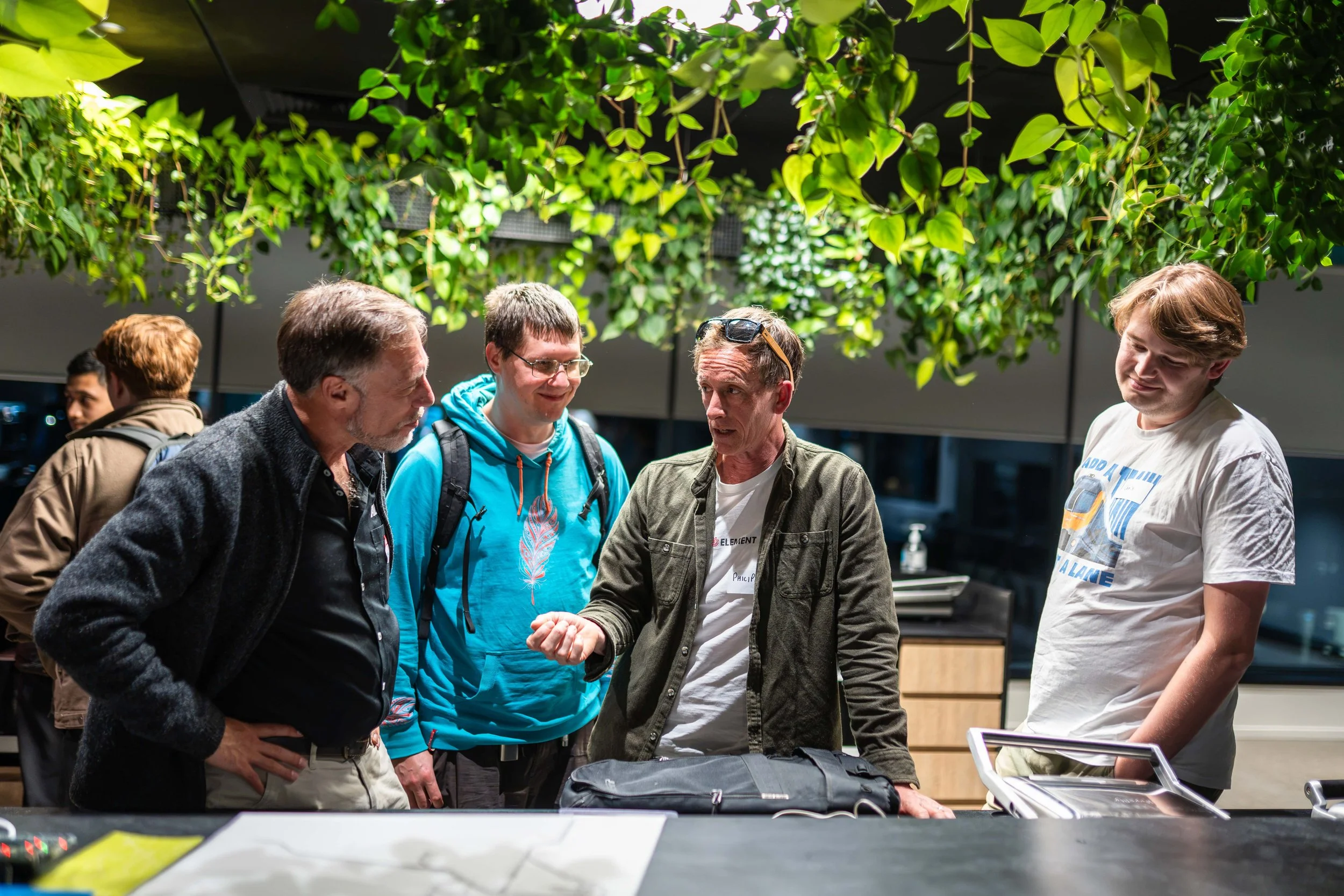
Preschool teacher Philip’s classroom device, which uses visual characters and simple rewards to help children understand and manage noise levels.
Students and experienced engineers seeking internships, mechatronics work and opportunities in hardware research and development.
An engineer offering experience in solving difficult mathematical, software and computer-vision problems.
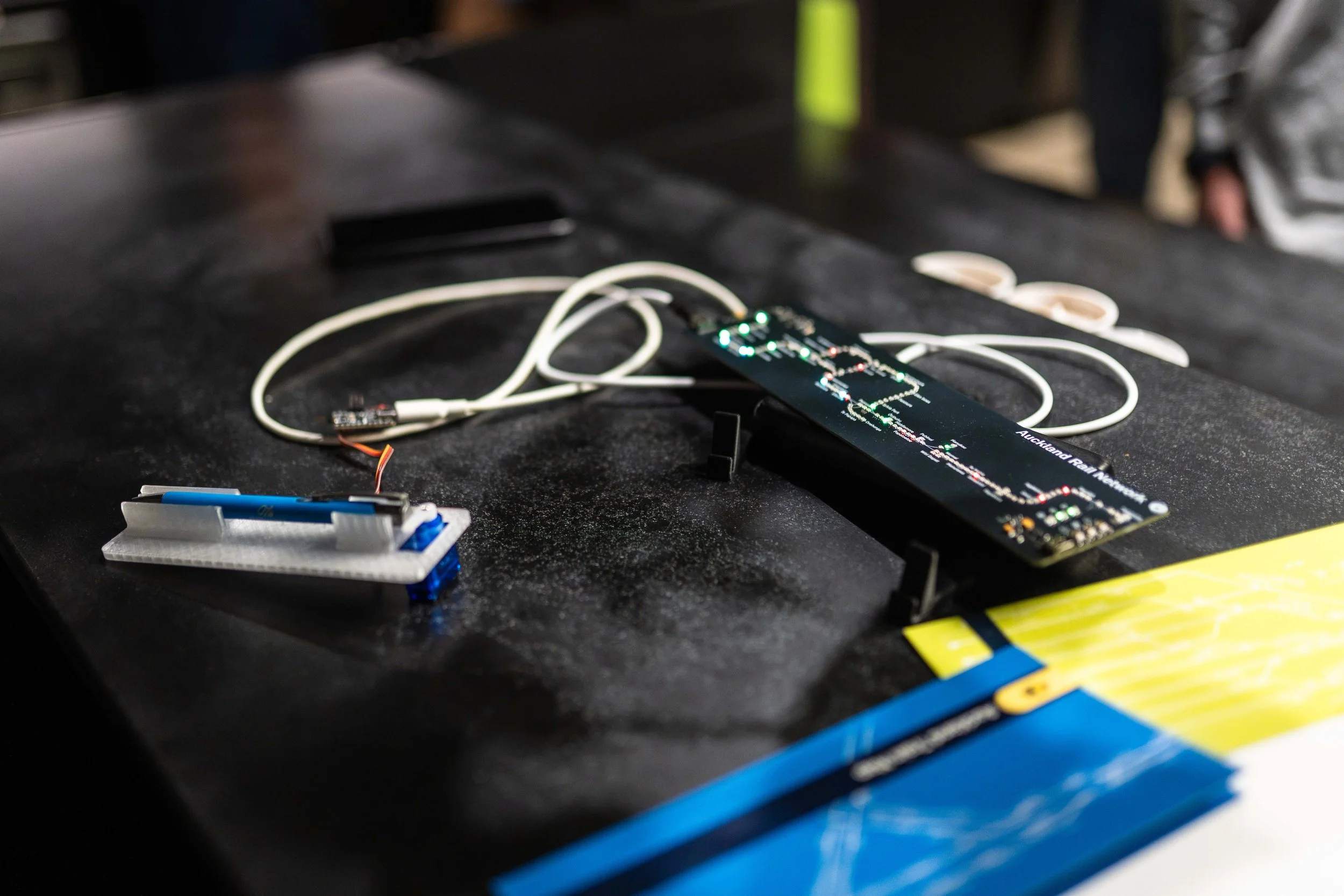
Chris’s electronic train boards, which had grown into a full-time business.
A request for marine-design advice for an early-stage UAV seaplane project.
The pitches showed the breadth of the community: established employers, independent makers, researchers and people taking their first steps towards a product all sharing the same room.
Ella Fasciana: Making people lost at sea easier to find
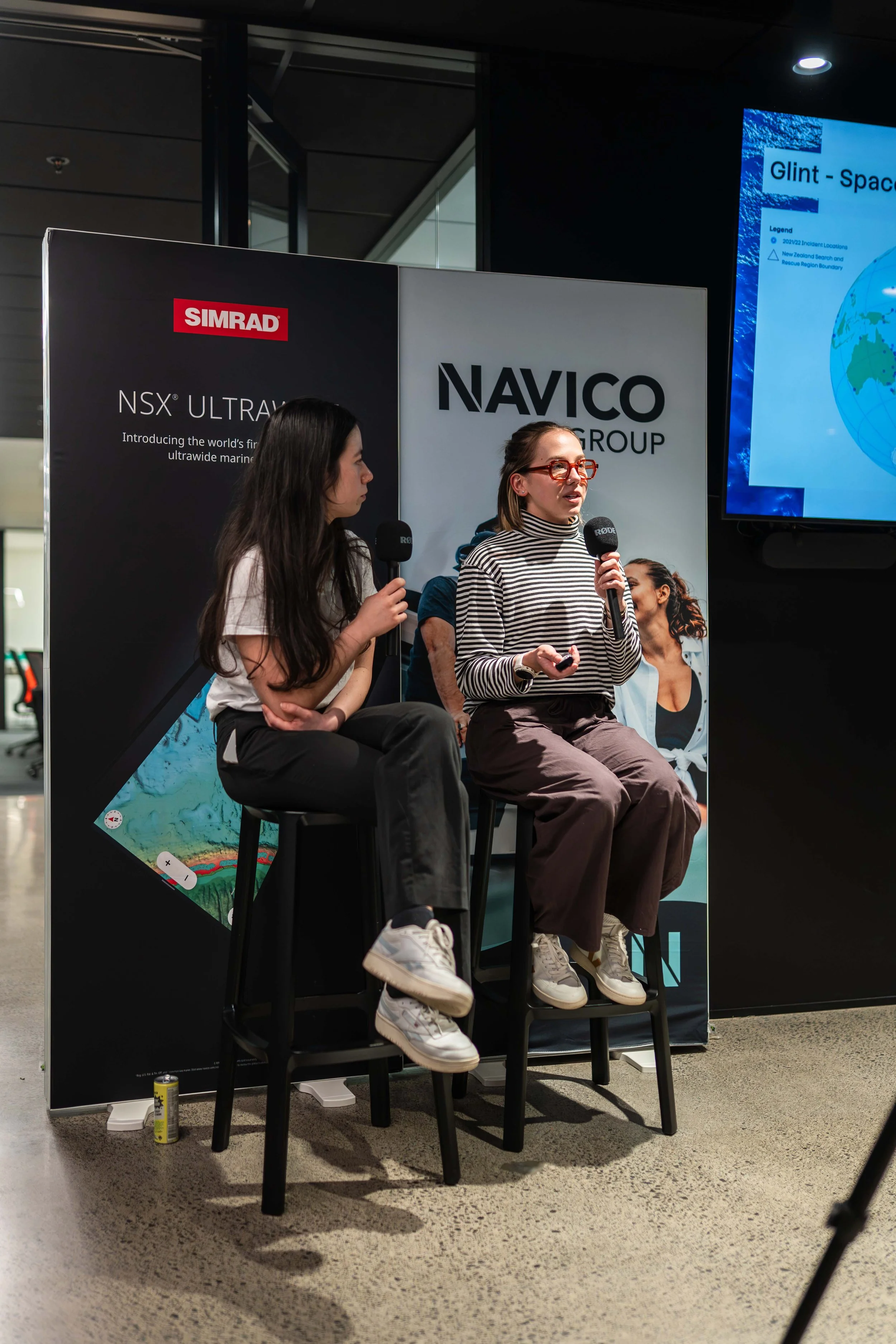
The final speaker was Ella Fasciana, co-founder of Seascape Intelligence and a PhD candidate at the University of Auckland. Ella presented Glint, the company’s search-and-rescue project.
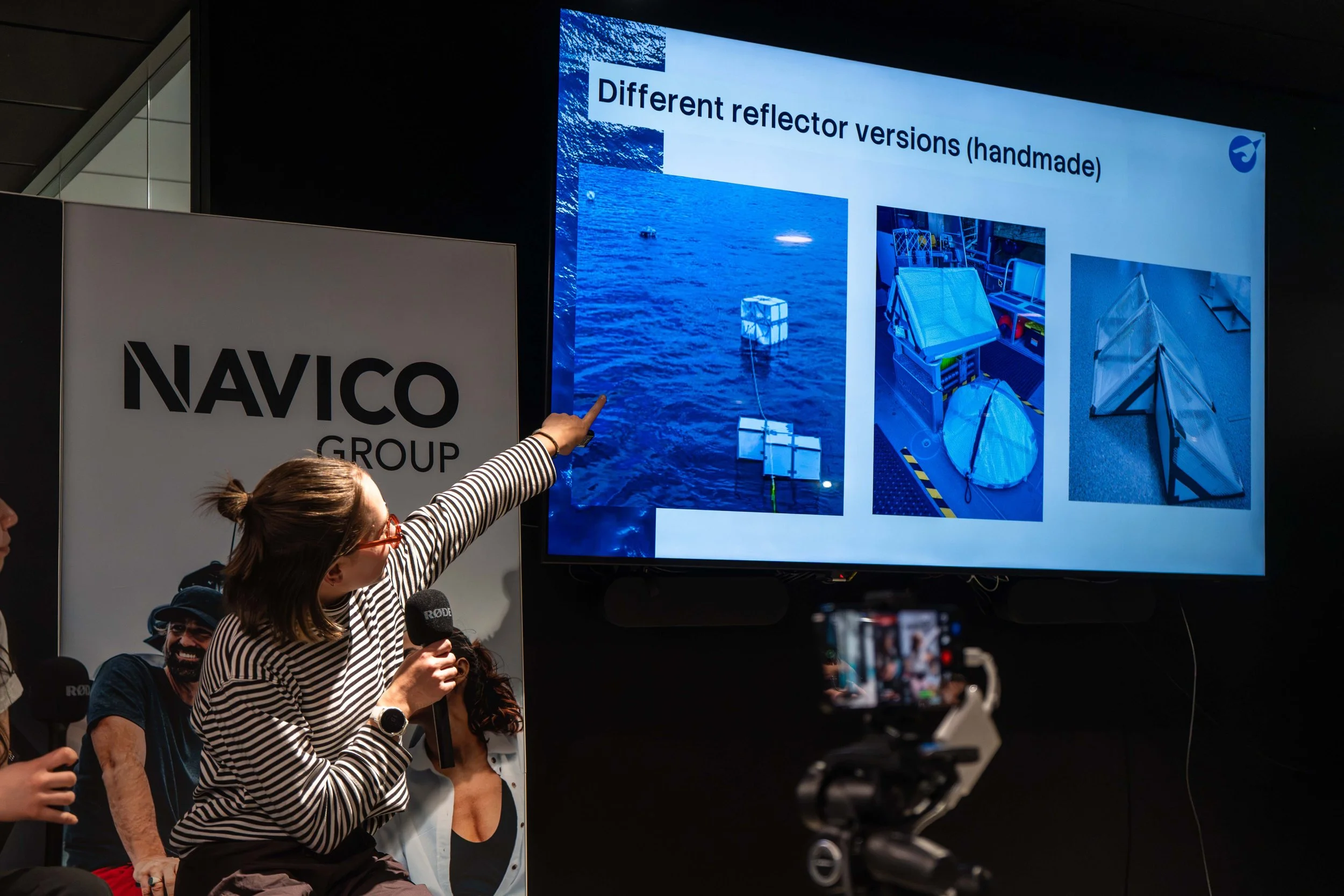
Glint is developing a deployable radar reflector intended to help make small vessels more visible to satellites, aircraft and marine radar. The aim is an affordable, accessible device that requires no batteries or compressed gas—particularly relevant for remote Pacific communities where emergency beacons can be difficult to afford and maintain.
Ella traced the design from early experiments using corrugated plastic, aluminium foil and duct tape to more developed prototypes tested at sea.
Those tests quickly exposed practical problems. Large reflectors caught the wind like sails, tipping over and putting stress on the structure. Reducing their size, changing the geometry and introducing a more flexible structure helped the design move with the waves.
Later prototypes incorporated waterproof compartments and springs similar to those in tape measures, helping the reflector open and hold its shape. Keeping the reflective surfaces dry proved essential to maintaining a strong radar response.
Ella also shared lessons from a recent visit to the Marshall Islands, where community feedback and a search-and-rescue exercise helped inform the next design changes. Easier handling and deployment were among the priorities.
Alongside the physical product, the team is developing satellite imagery acquisition and drift-modelling capabilities. Ella’s PhD explores the reflector’s radar response, including whether it can produce a distinctive signature that helps distinguish it from other objects.
She was clear that emergency beacons would provide a faster response, while Glint’s end-to-end search process was still being evaluated. The project’s potential lies in offering a lower-cost option where beacons are unavailable, as well as a possible backup.
Ella closed with a request for a product engineer or industrial designer to help with prototyping and preparation for manufacturing.
Keeping the connections going
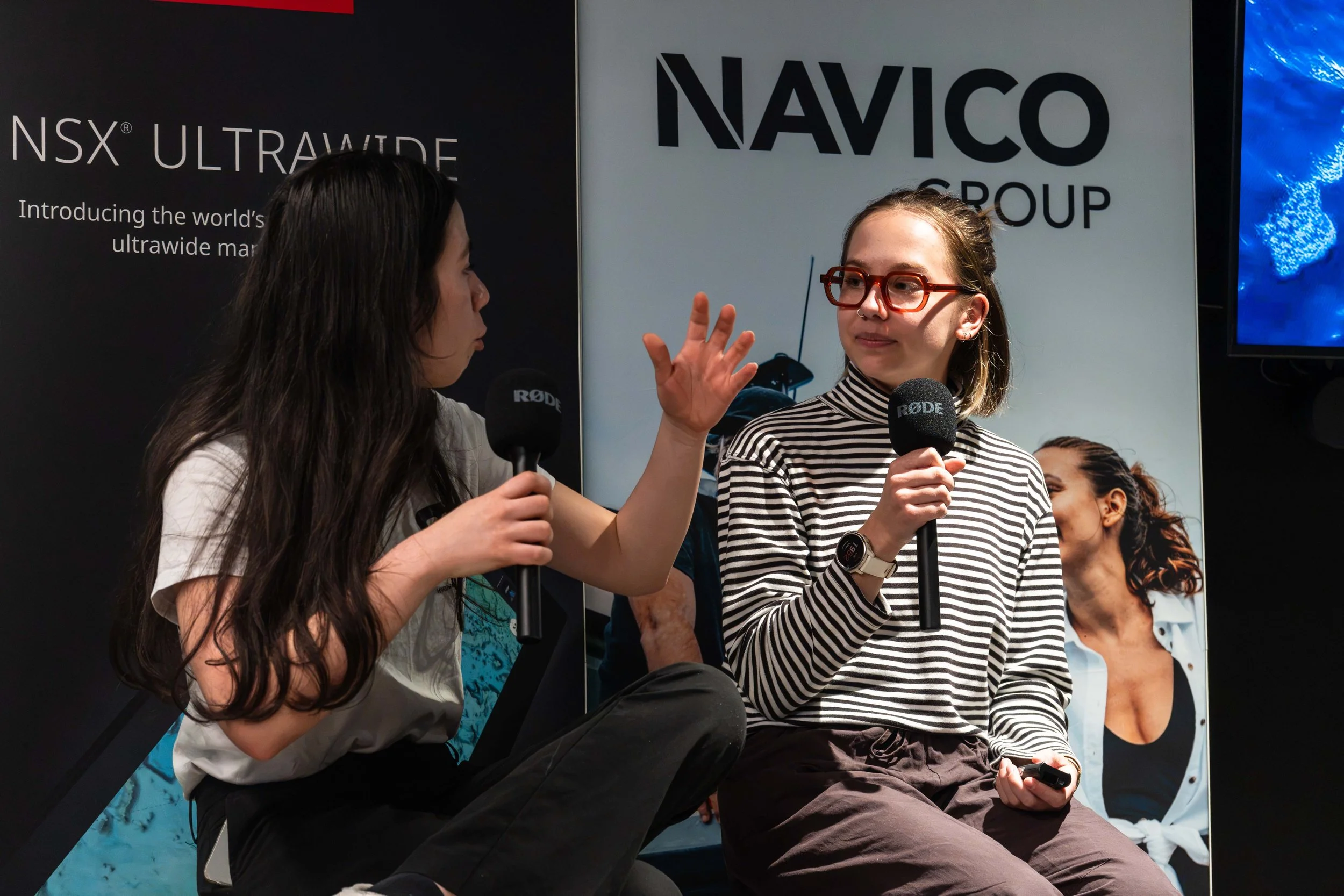
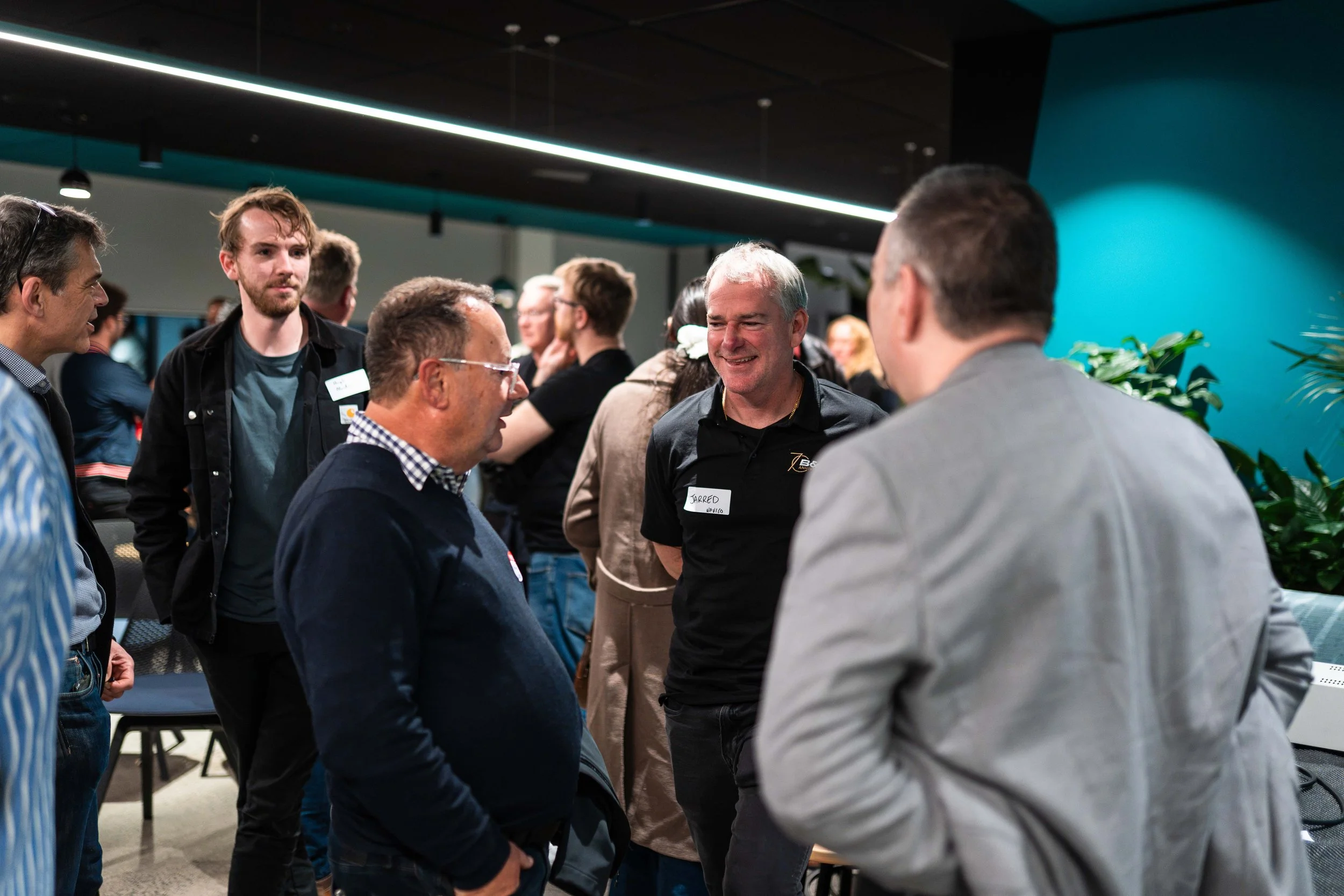
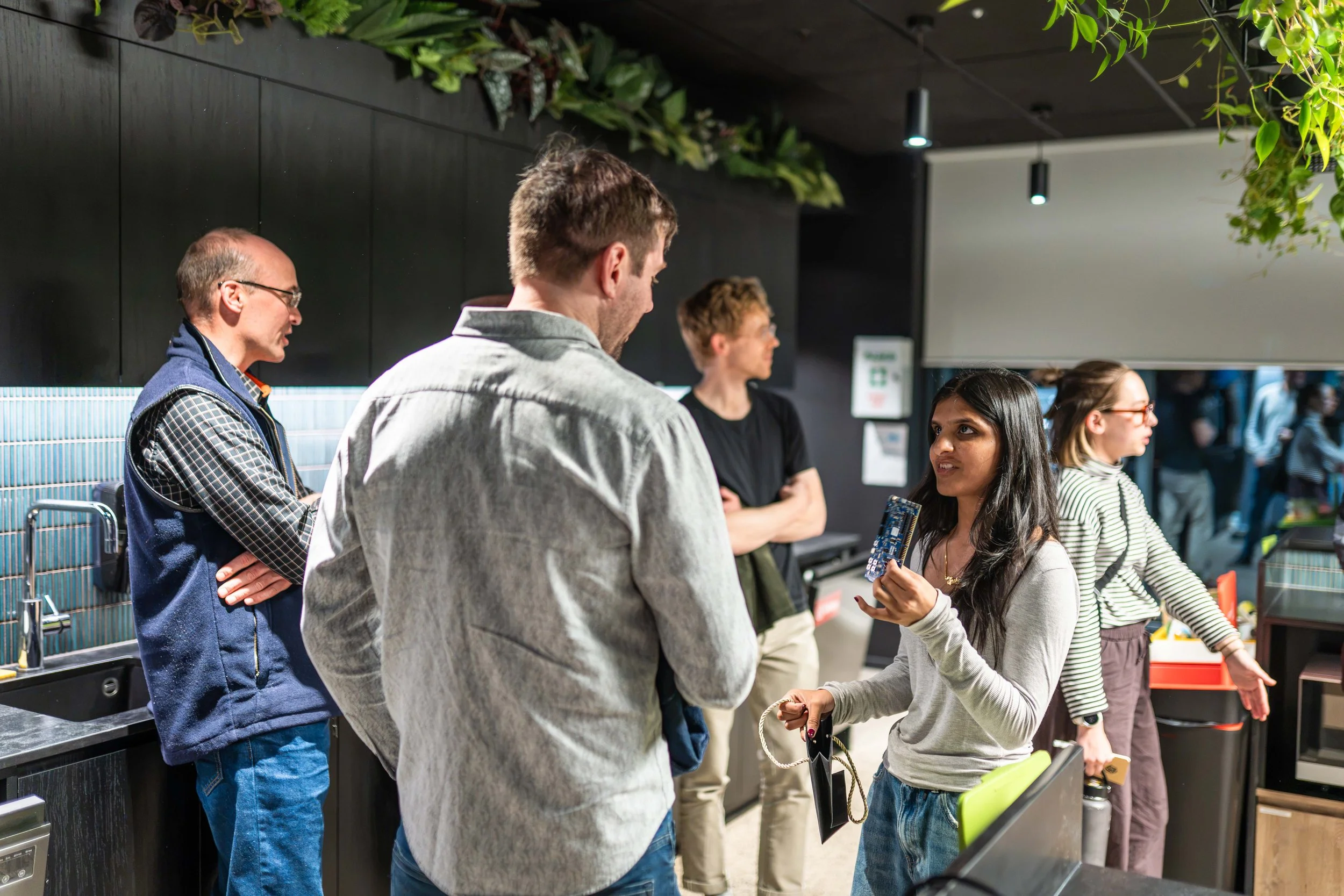
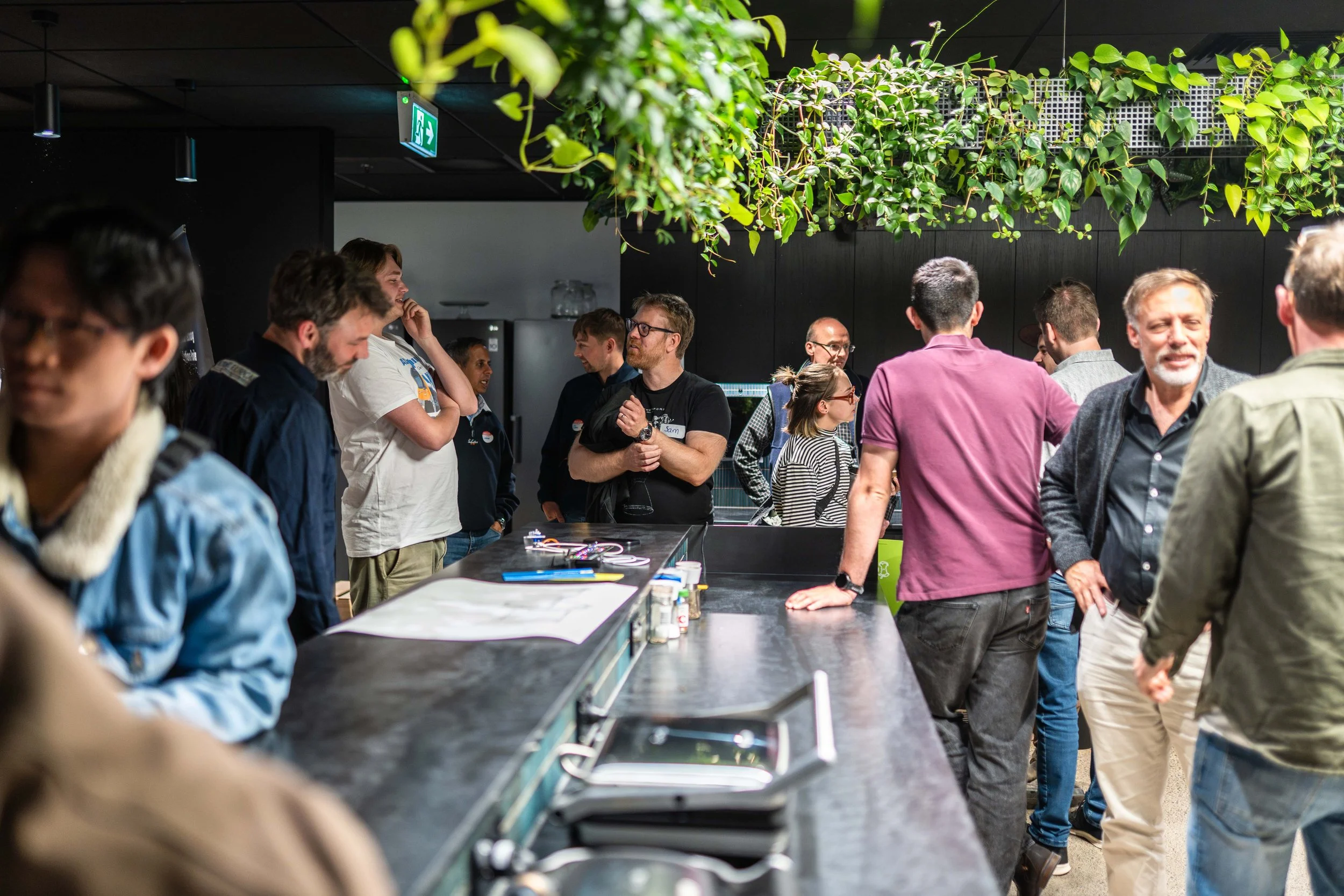
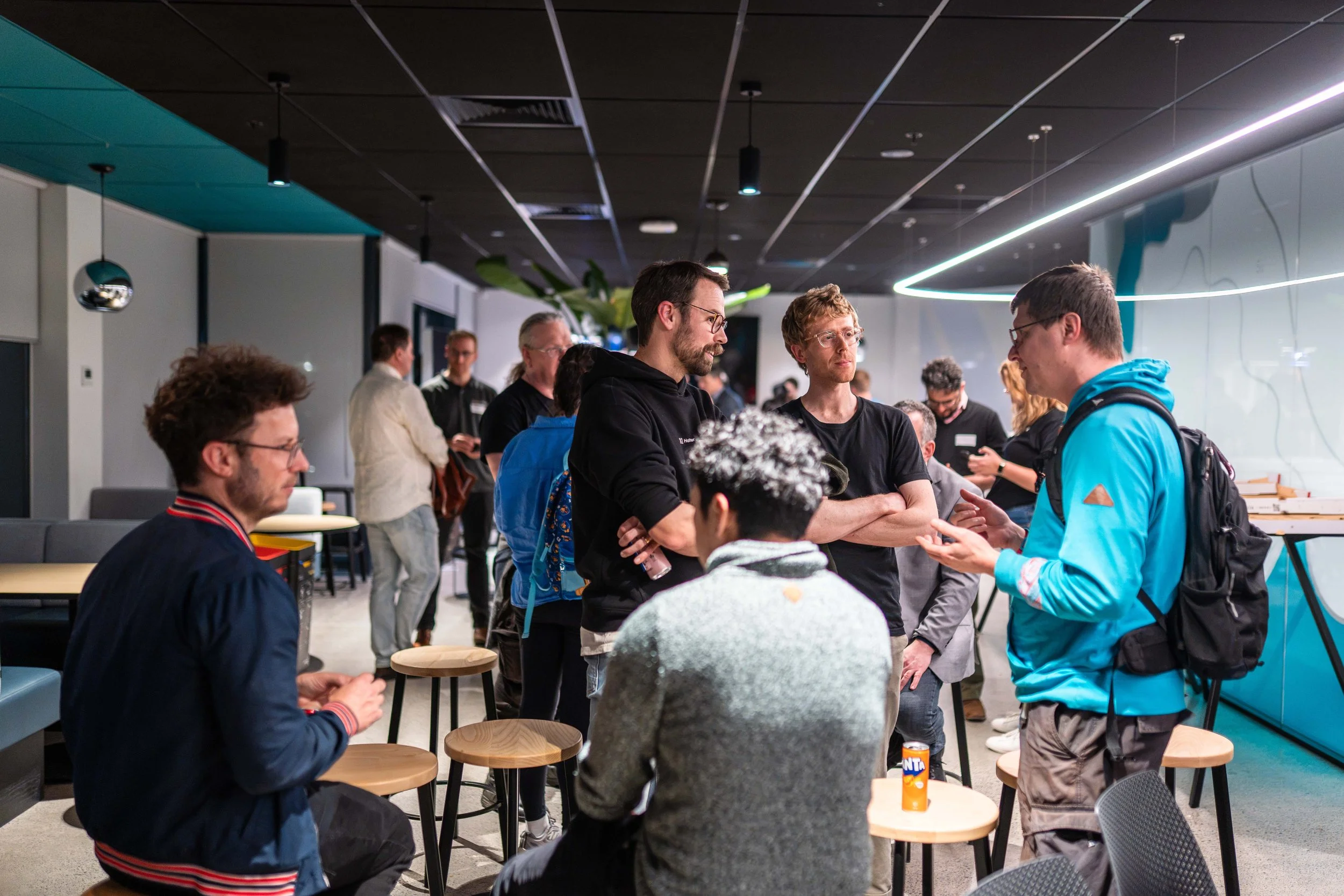
Mikayla wrapped up by thanking the speakers, sponsors, hosts and organising committee, then invited everyone to continue the conversations over networking.
She encouraged attendees to share feedback, including their thoughts on the North Shore venue, and flagged plans for an agri-tech event and a Christchurch meetup.
The evening gave attendees a close look at hardware at several stages of development: established marine products, electric vessels moving into production, and a search-and-rescue concept being refined through research and field testing. Just as valuable were the conversations between presentations—where a request for advice, a personal project or a quick introduction could become the beginning of something new.
Photos
Speakers
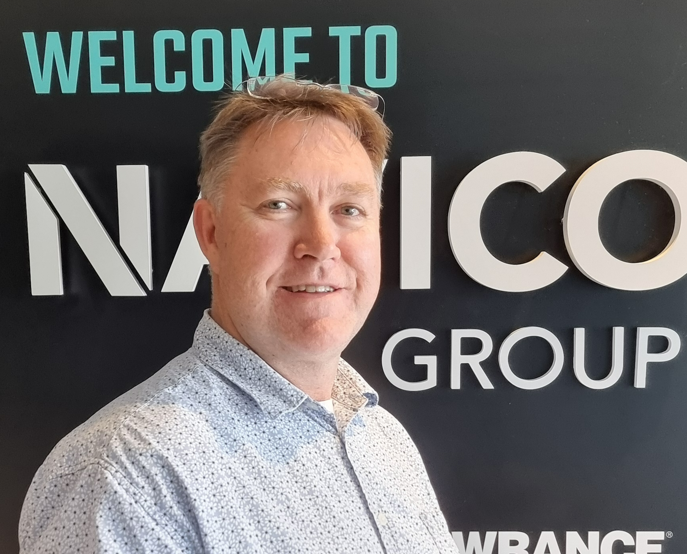
Speaker 1: Ruan Van Vuren
Ruan van Vuren is the Technical Lead for Hardware Engineering at Navico Group APAC Limited. With more than 23 years of experience in the marine electronics industry, he brings deep expertise in the design and development of innovative electronic products. Beginning a career in microelectronics fabrication and design, he later transitioned into discrete electronics, building extensive experience across a wide range of marine technologies. Passionate about innovation, talent development, and technical excellence, Ruan enjoys mentoring engineers and leading multidisciplinary teams to deliver robust, high-performance solutions for challenging real-world applications.
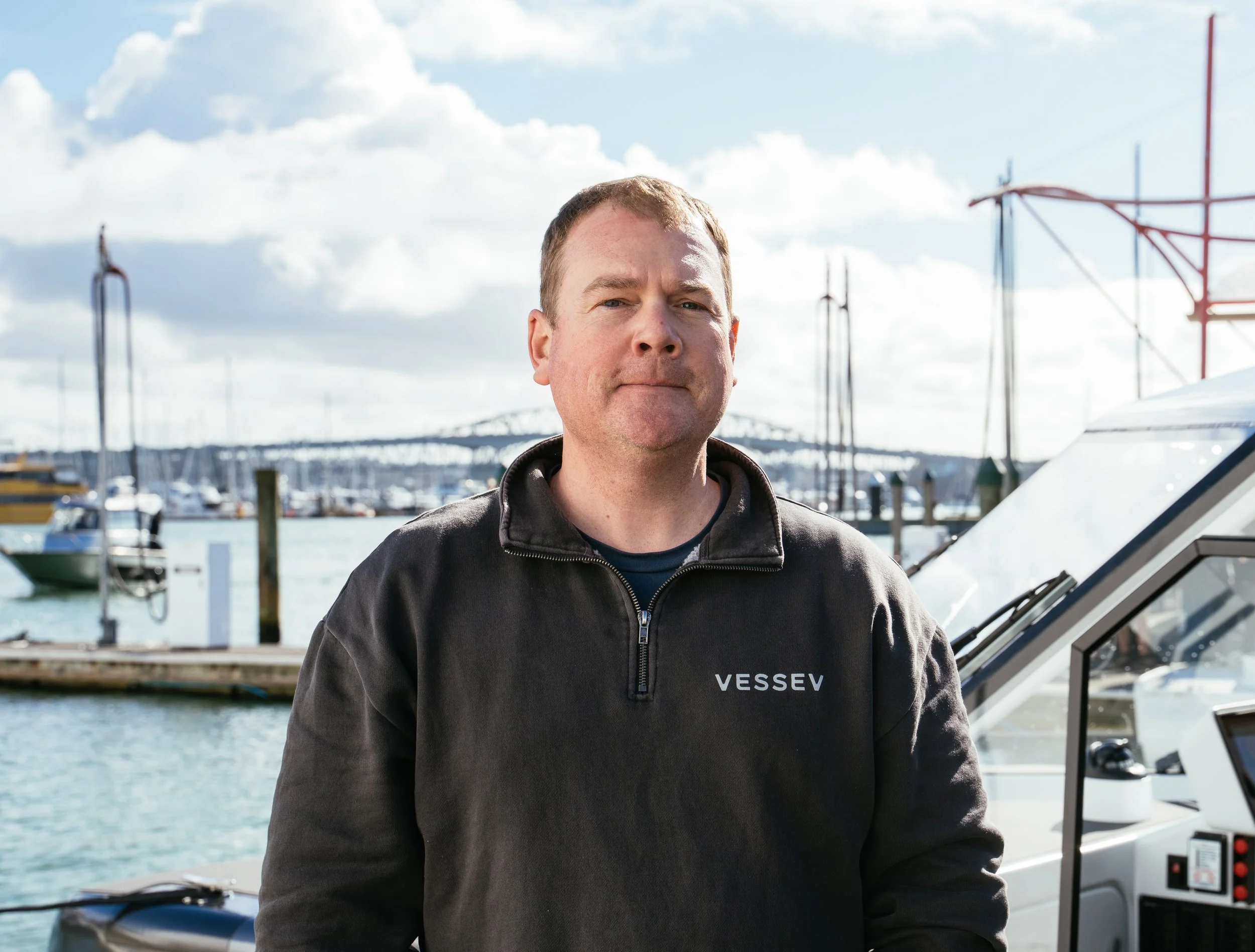
Speaker 2: Gary JolLiffe
Garry's 20-year career as a technical leader spans vessel design, composite structural engineering, and product development across marine, aerospace, and clean-tech sectors. At Vessev, he plays a key role in shaping the company’s engineering direction, from early-stage design to the launch and certification of our electric hydrofoiling technology. Garry previously held senior roles at Gurit, EV Maritime, and Surtees Boats, where he led complex R&D programs. From a multi-generational sailing family, Garry blends deep technical insight with a track record of delivering real-world innovation at scale.

Speaker 3: Ella Fasciana
Glint is all about using low cost, tech-free, pop out radar reflectors to find people lost at sea with synthetic aperture radar (SAR) satellites. This involves the creation of the physical reflector, the automation of reflector detection in satellite data, as well as operational deployment.
In partnership with Defence Science and Technology (DST) and the University of Auckland, Ella has been working on the project for nearly three years, holds a few patents/registered designs, and is currently working towards a PhD funded by MBIE to further develop the technology. Ella is also a cofounder of the spin out Seascape Intelligence, where they have just raised pre-seed funding.

MC: Mikayla Stokes
Mikayla Stokes is a mechatronics engineer at Crown Equipment making autonomous forklifts. She loves using tech to make cool wearable things like a light-up dress or 3D printed earrings. She's passionate about creating an inclusive community where any kid can pursue a future in STEM, and is the two time overall female winner of the BrightSparks inventing competition.

Event Sponsors

Lowndes Jordan
Lowndes Jordan is a top niche law firm with corporate, commercial, property, employment, IP and litigation service offerings. The firm acts for a wide range of organisations across the spectrum of maturity from startups through to listed companies/multinationals. Lowndes Jordan has deep expertise in the startup space, having acted for startups, founders, investors and employees of startup companies on a wide range of matters including capital raising (including crowdfunding), ESOPs, shareholders’ agreements and disputes, IP protection and licensing, commercial contracts, US flips, acquisitions and IPOs.
GPC Electronics
GPC Electronics, is Australasia's largest contract electronics manufacturers, specializing in a wide range of sectors including Industrial Controls, Power Electronics, Aerospace, Medical and Defence. GPC Electronics provides comprehensive services from design and prototyping to full-scale production and testing, leveraging advanced technologies to deliver high-quality electronic solutions globally.
Braemac
Braemac is a global leader in the distribution of semiconductor components and electronic systems as well as value-added services. Empowering engineers and developers for over 40 years–Braemac features expert in-house engineers, extensive design-phase support, state-of-the-art distribution, value-add facilities, comprehensive supply chain solutions, and unparalleled customer service. Braemac offers solutions for diverse markets and applications, helping customers streamline development, reduce costs, accelerate time to market, and support long term interoperability.
Connect With Hardware Meetup NZ
Follow us on Meetup, LinkedIn, and Instagram, and sign up to receive event updates.
Event Alignment: This is an independently run initiative and is not aligned with any one organisation.
Media Permissions: By attending this public event, you grant Hardware Meetup NZ permission to photograph, video record, and audio record the event and to use these photos, videos and recordings in our website and Social Media Channels.
RECAPS