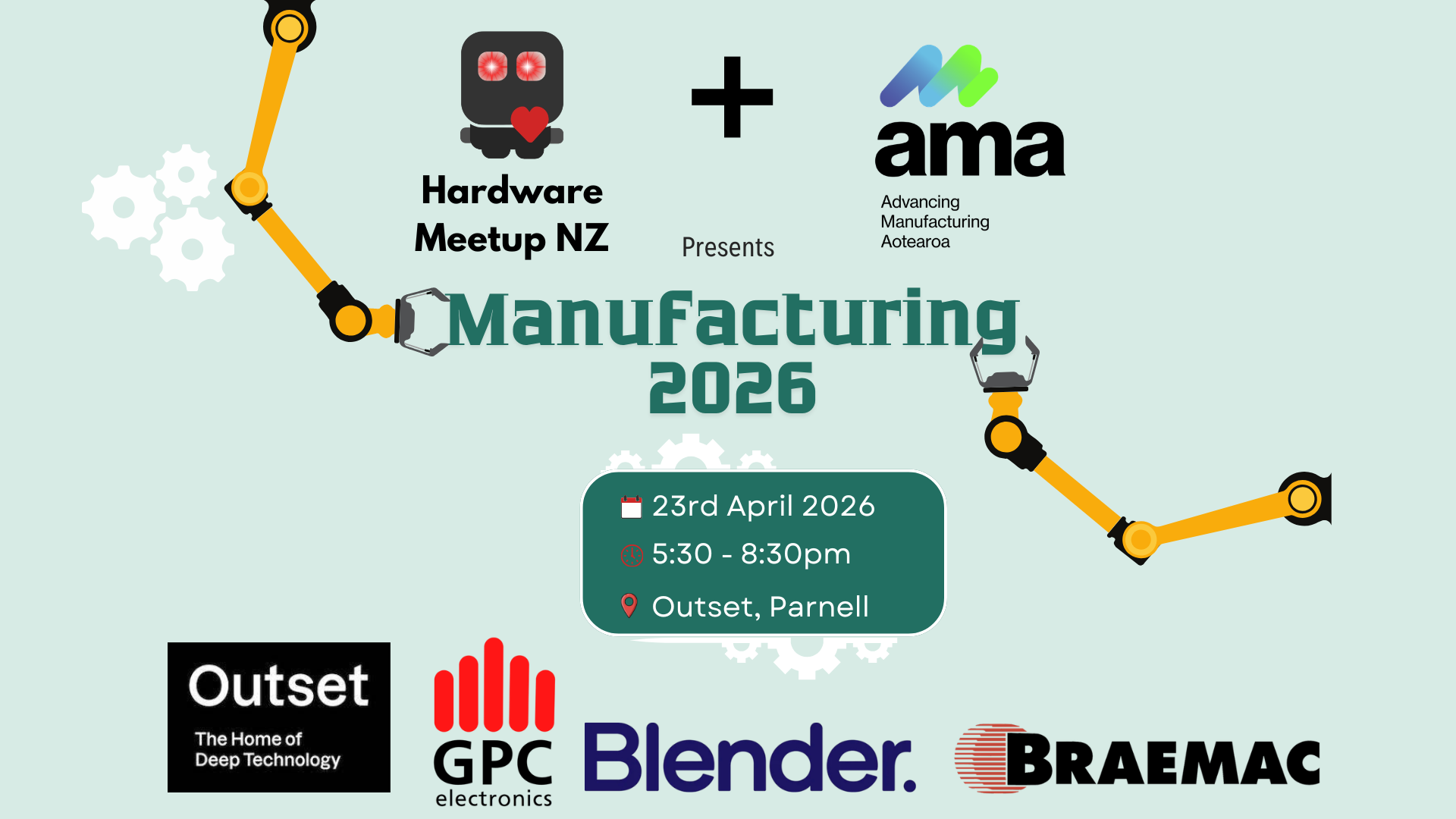
Manufacturing
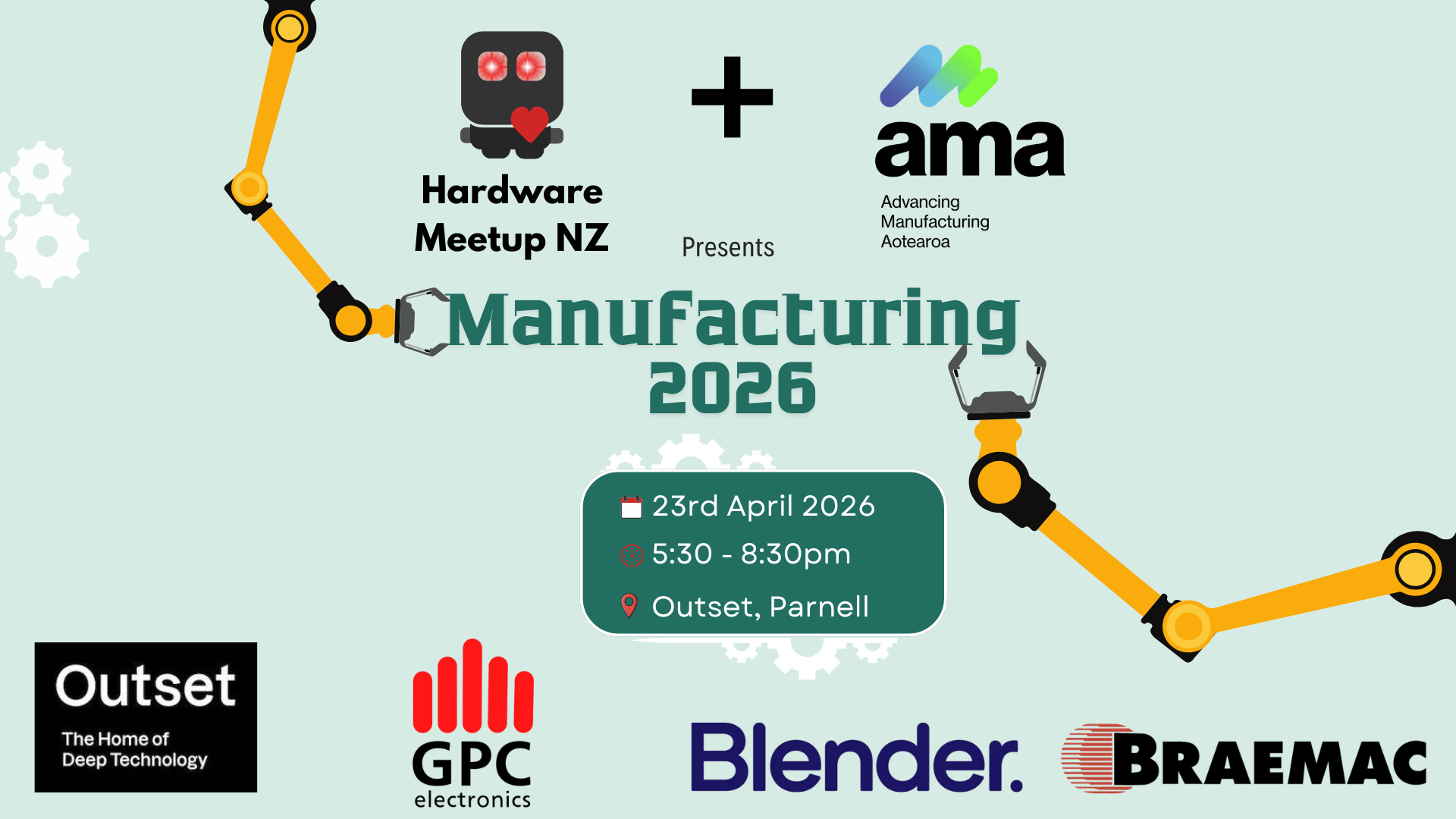
Manufacturing is where hardware becomes real — and where many of the hardest challenges begin.
At our latest Hardware Meetup New Zealand (not-just-software) event, we brought together founders, engineers, and operators to share what it really takes to design, build, and scale physical products.
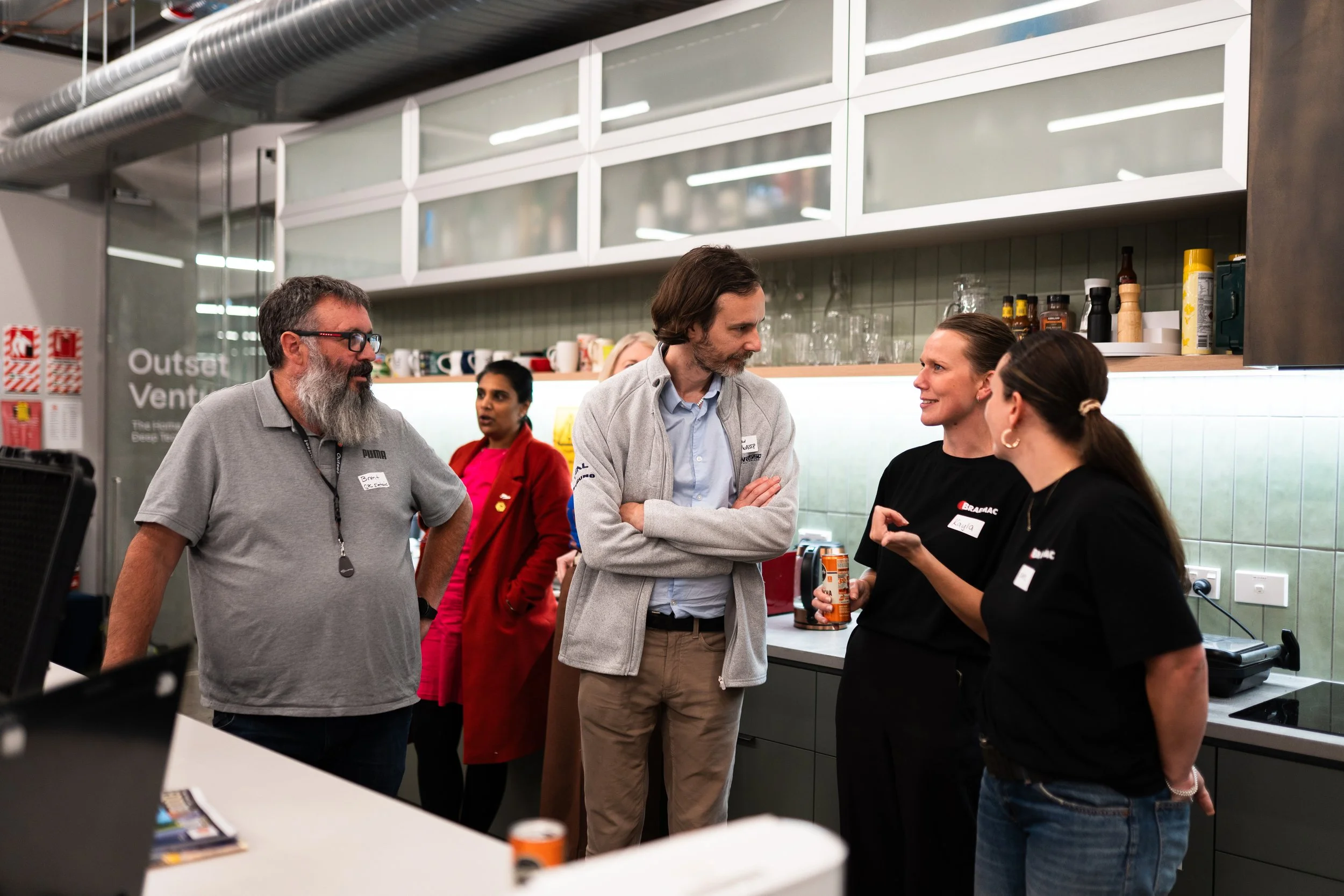
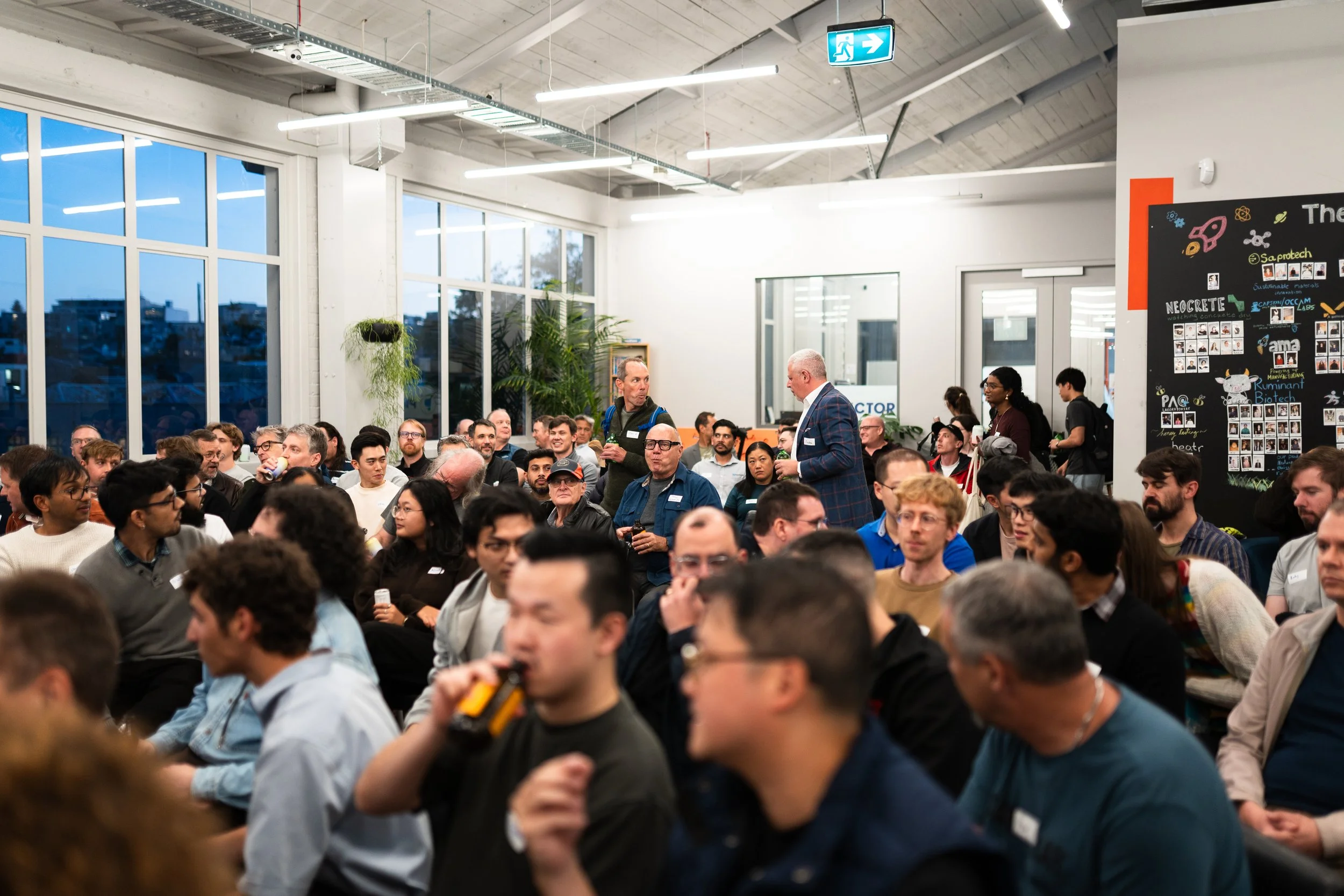
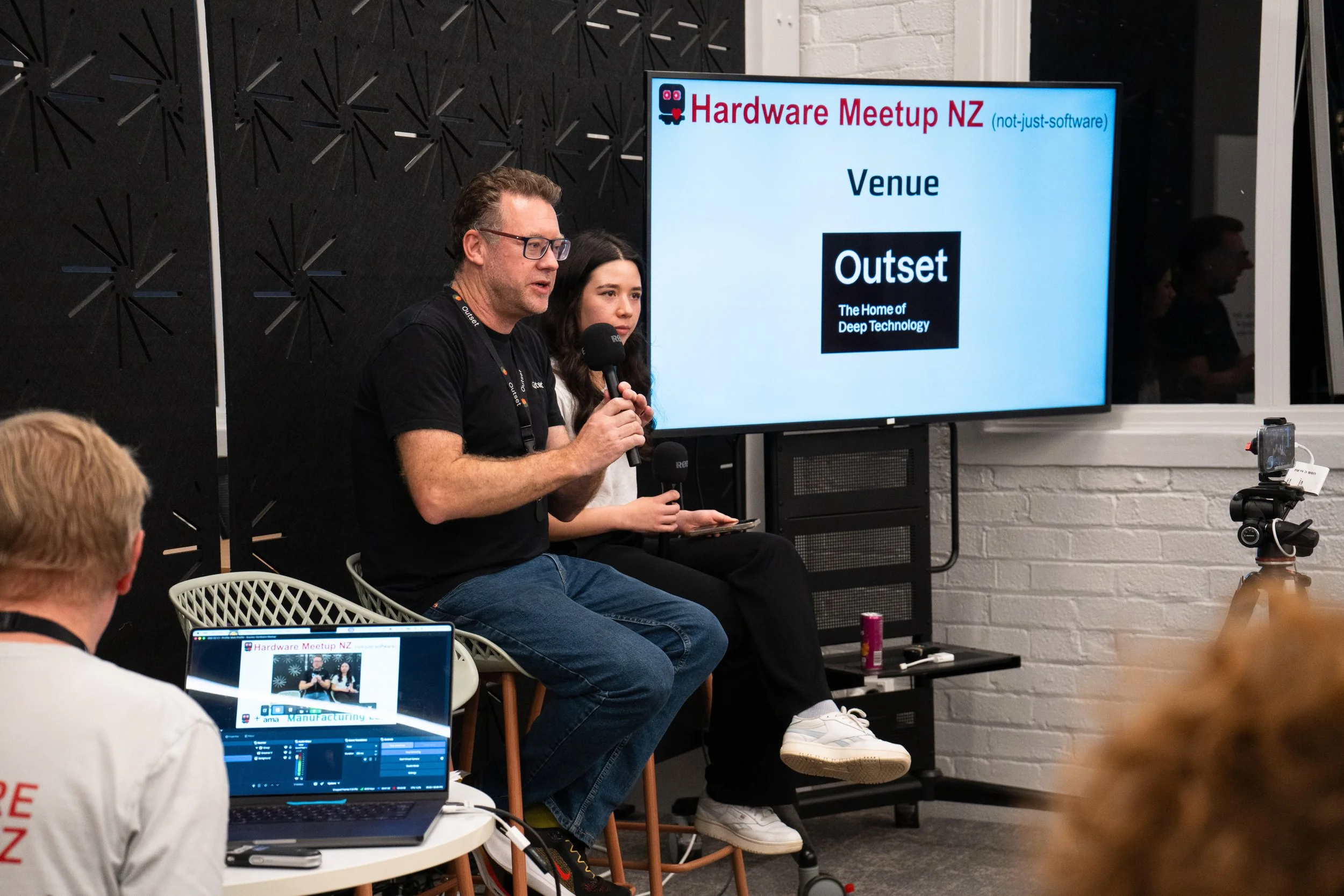
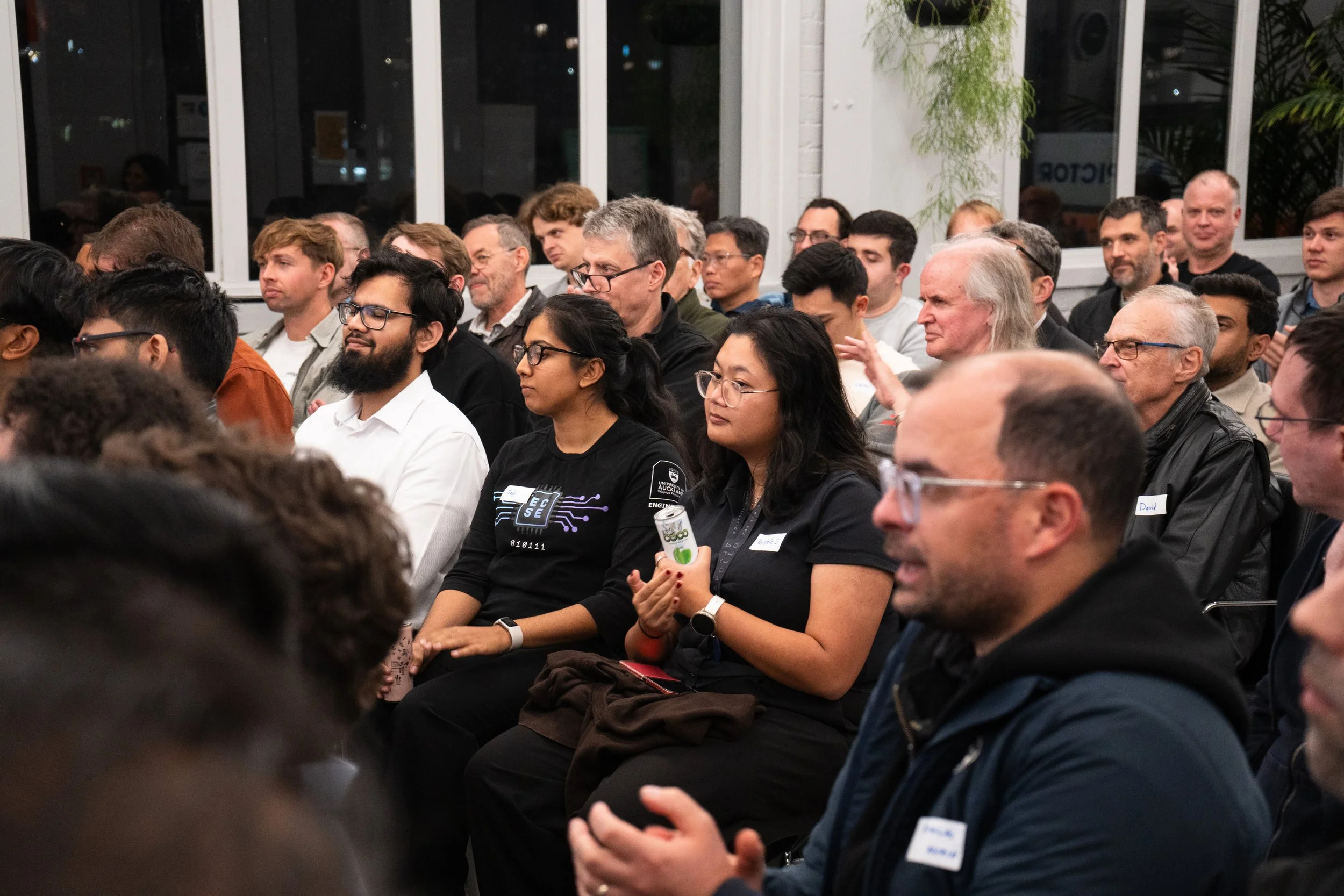
With a packed room at Outset Ventures, it was clear this is a topic that resonates across the community.
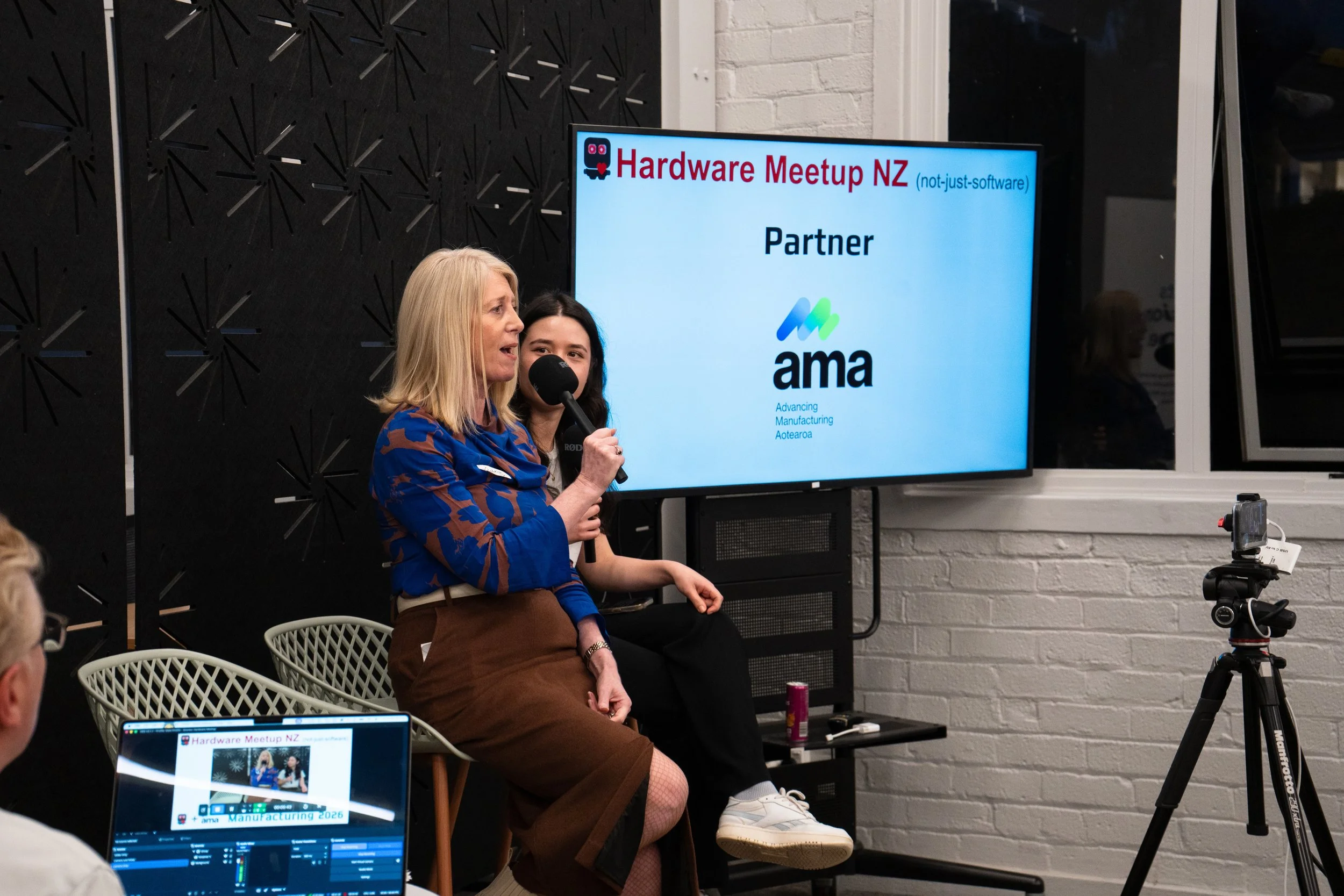
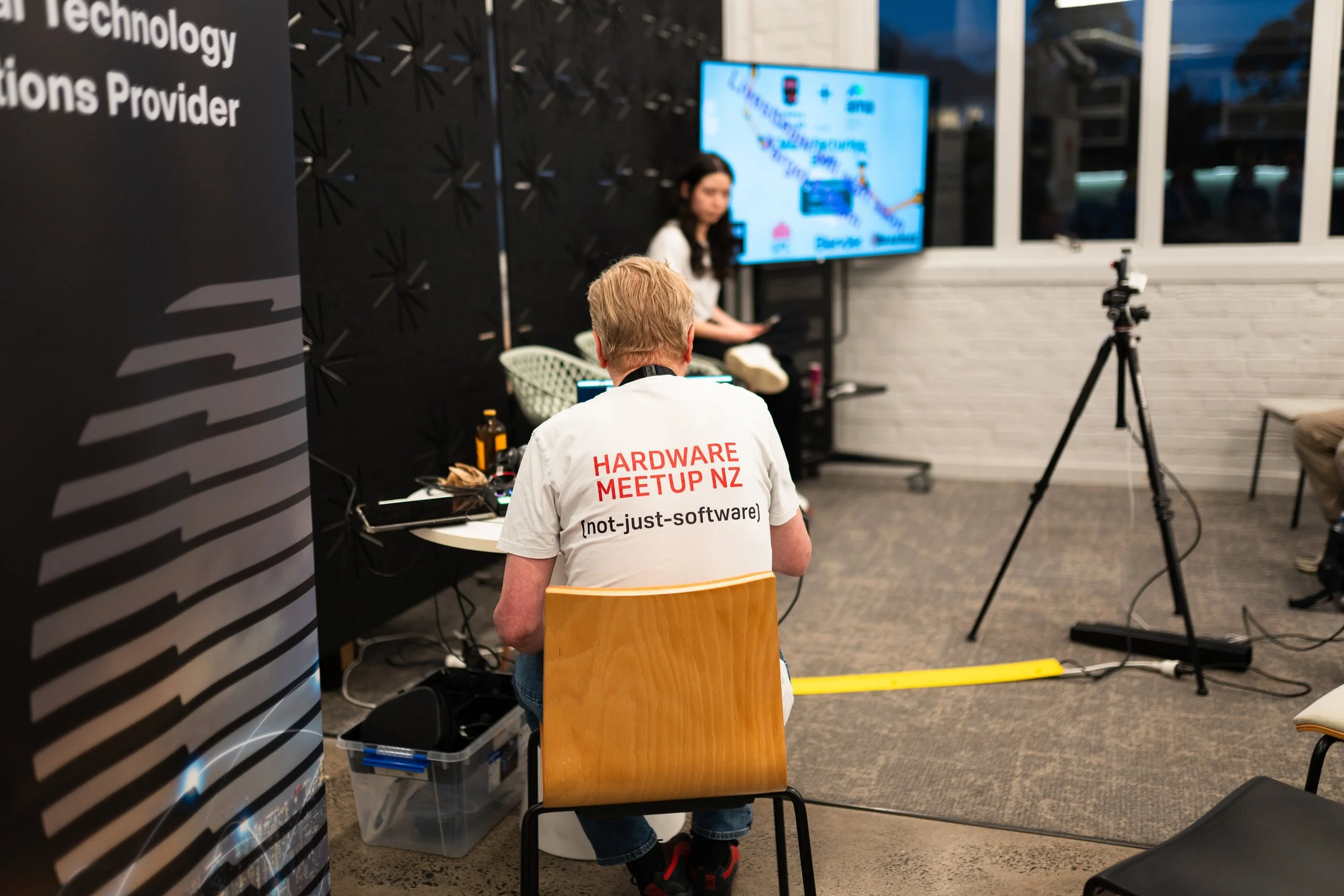
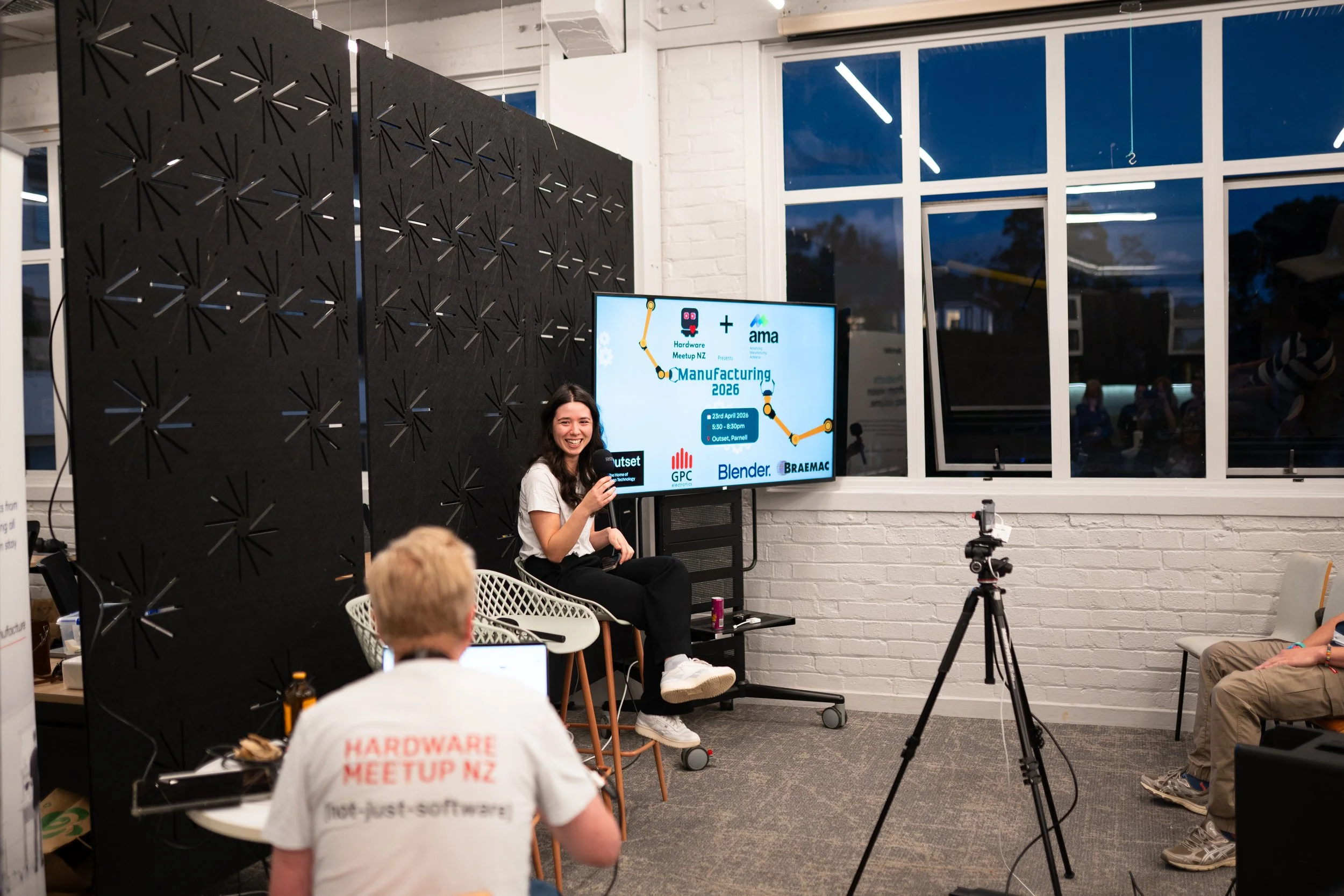
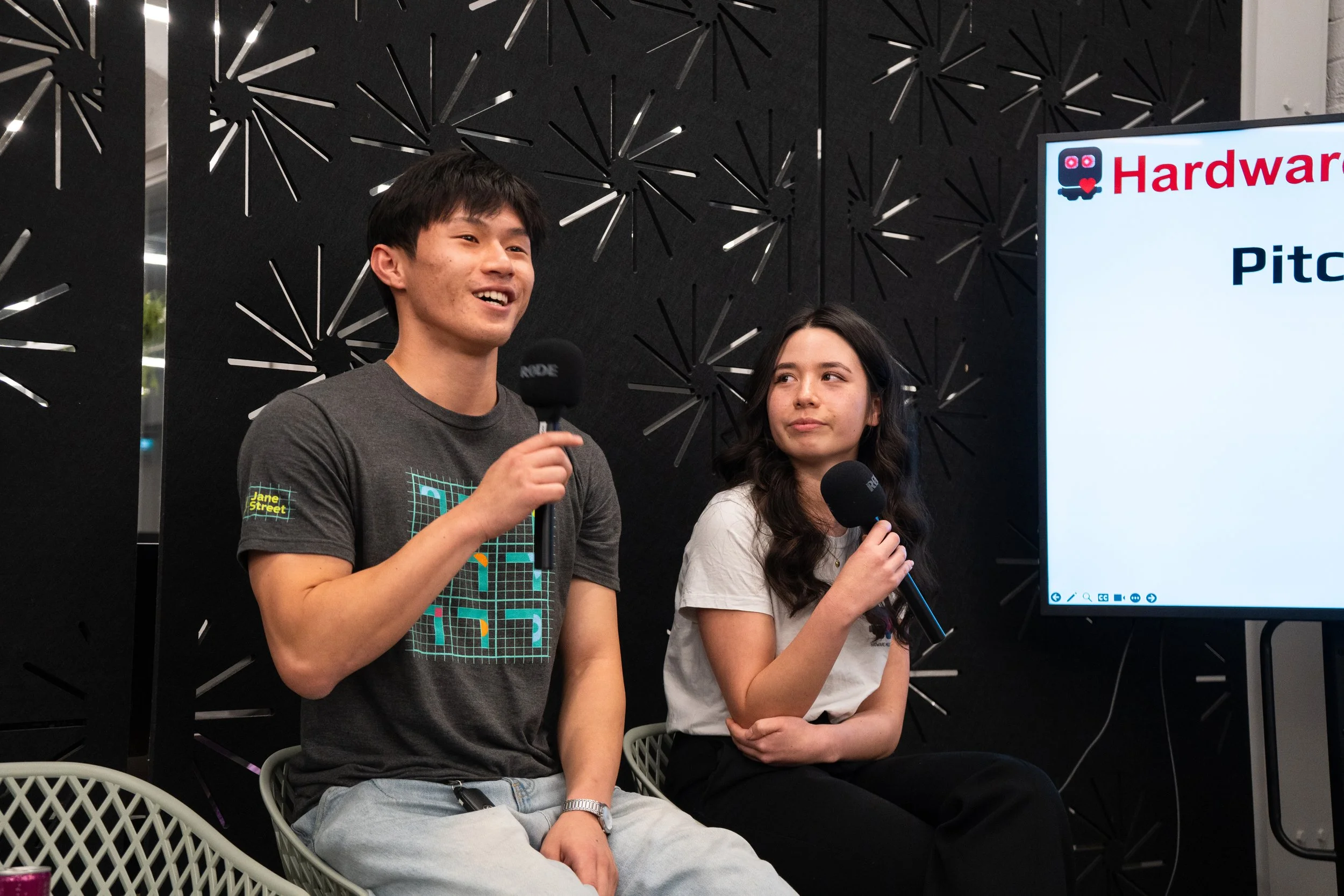
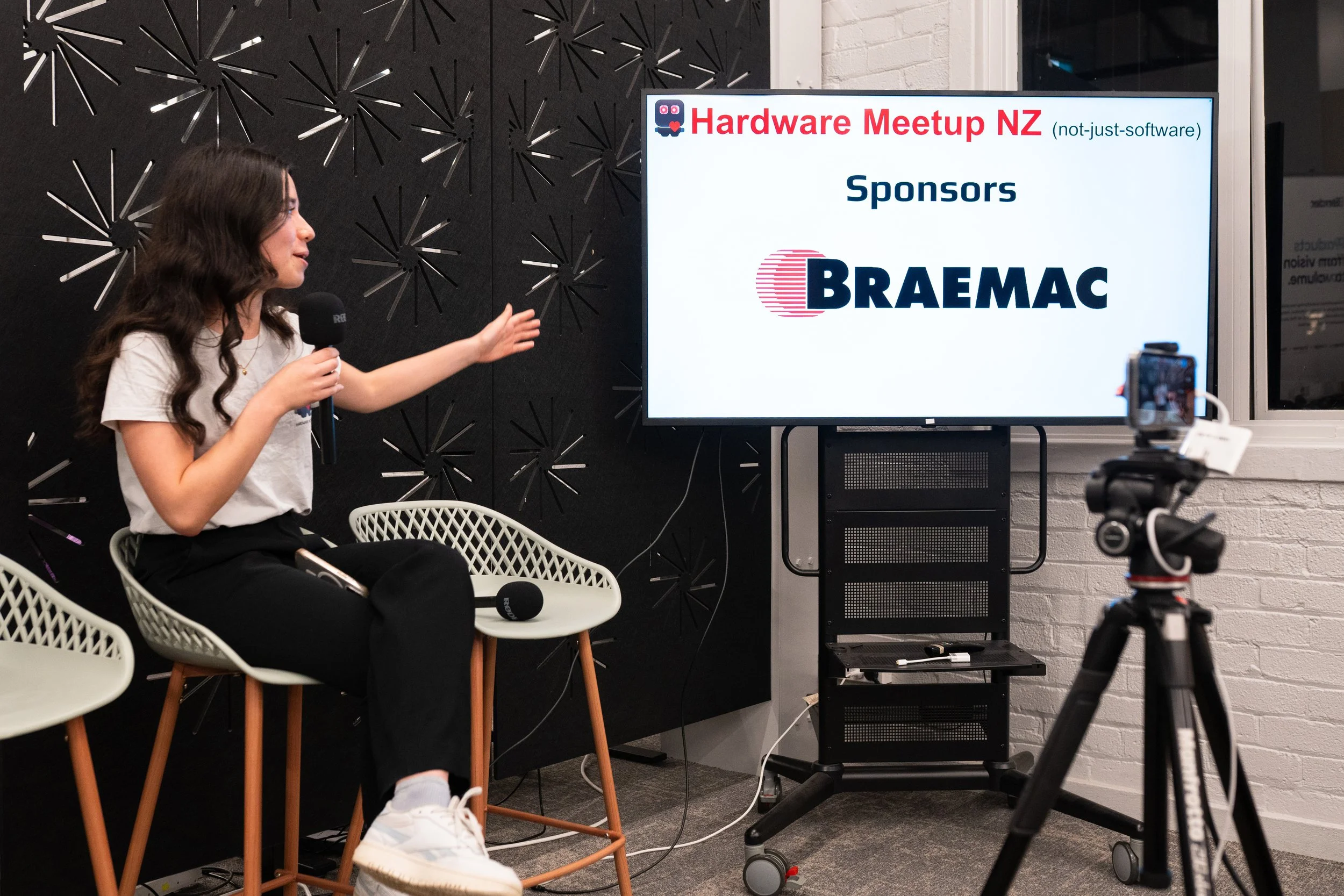
Mikayla Stokes opened the evening, welcoming both familiar faces and a strong turnout of newcomers. Manufacturing is often one of the most complex and misunderstood parts of the hardware journey — and this event set out to unpack it through real-world experience.
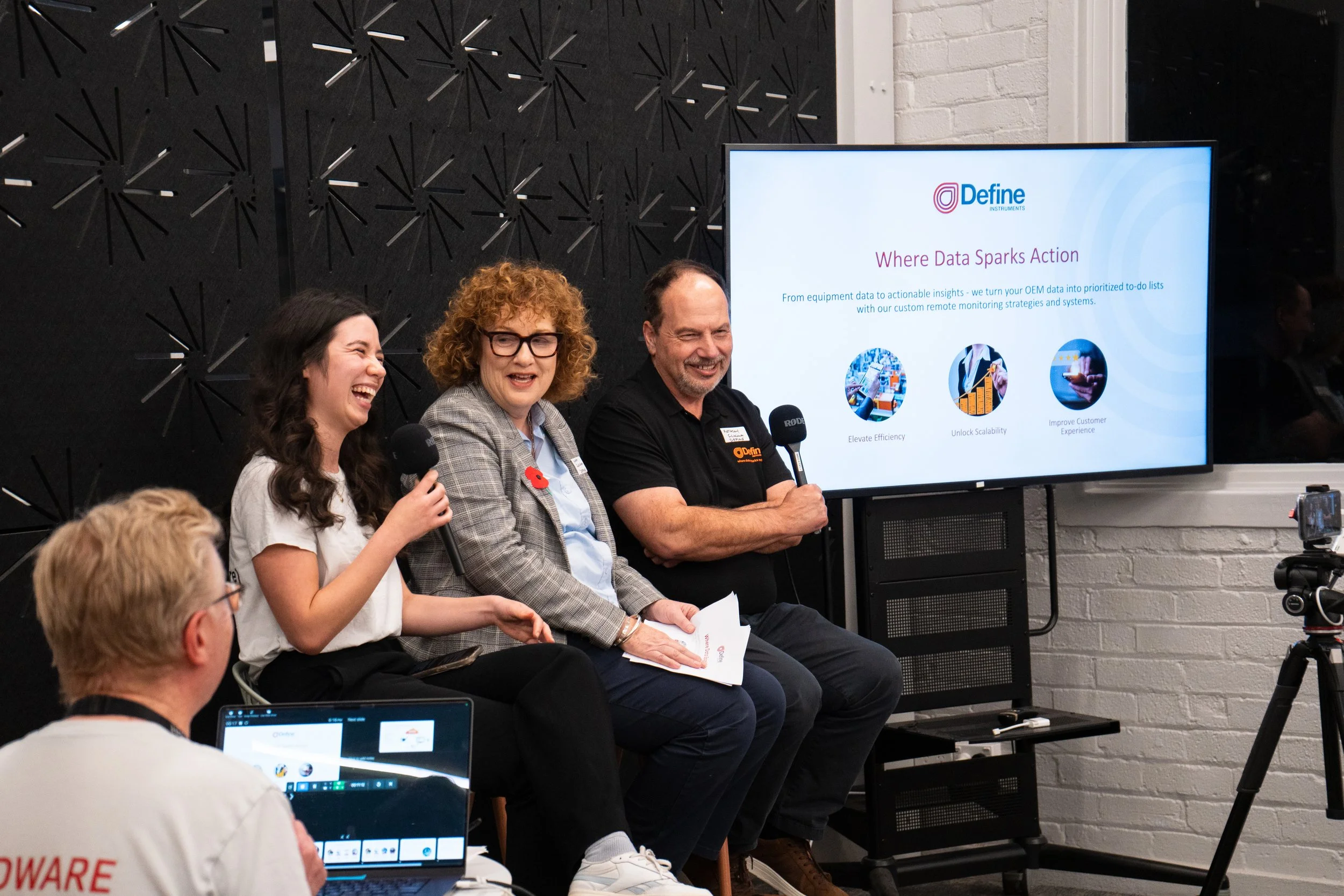
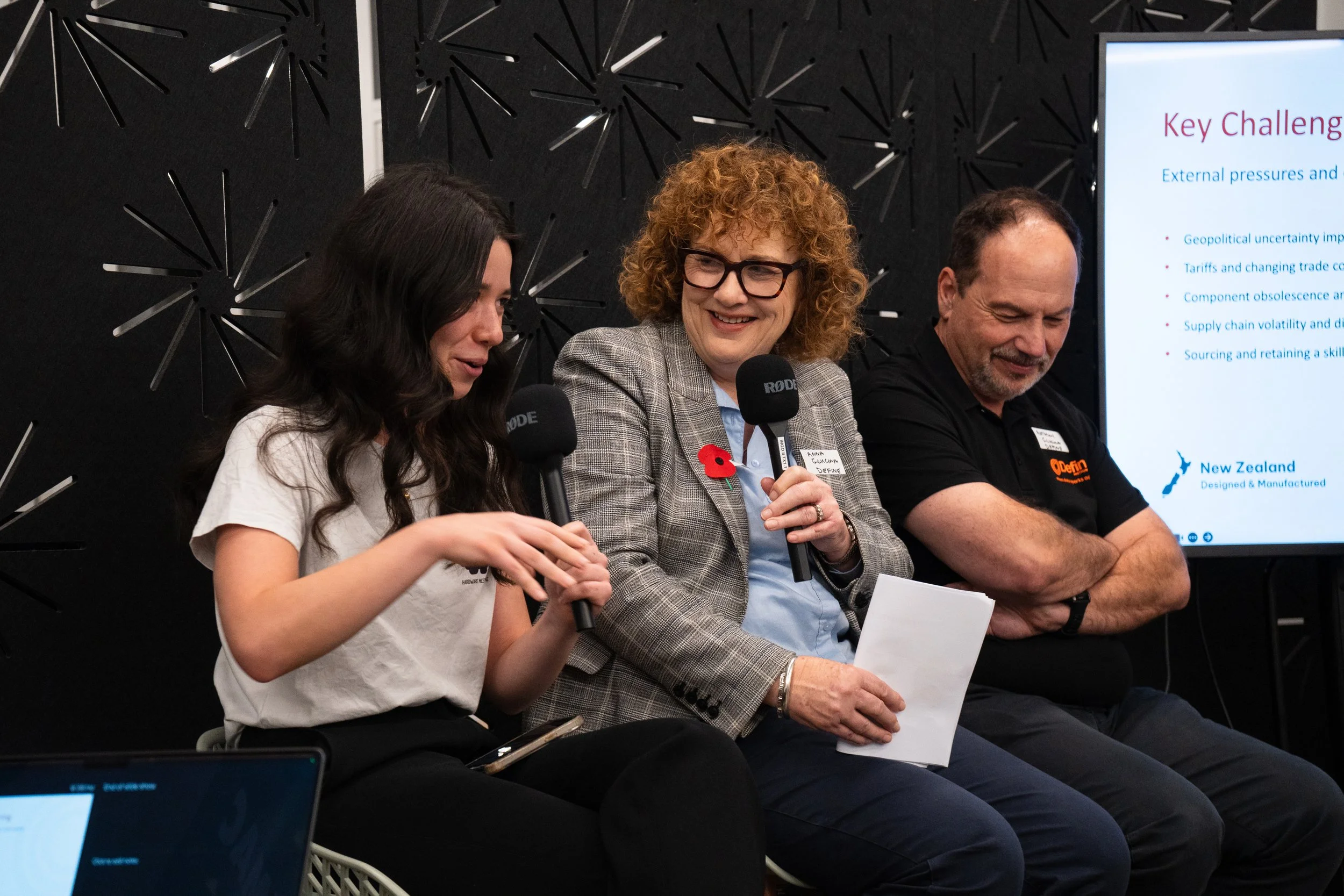
Define Instruments — Designing for Action, Not Just Data
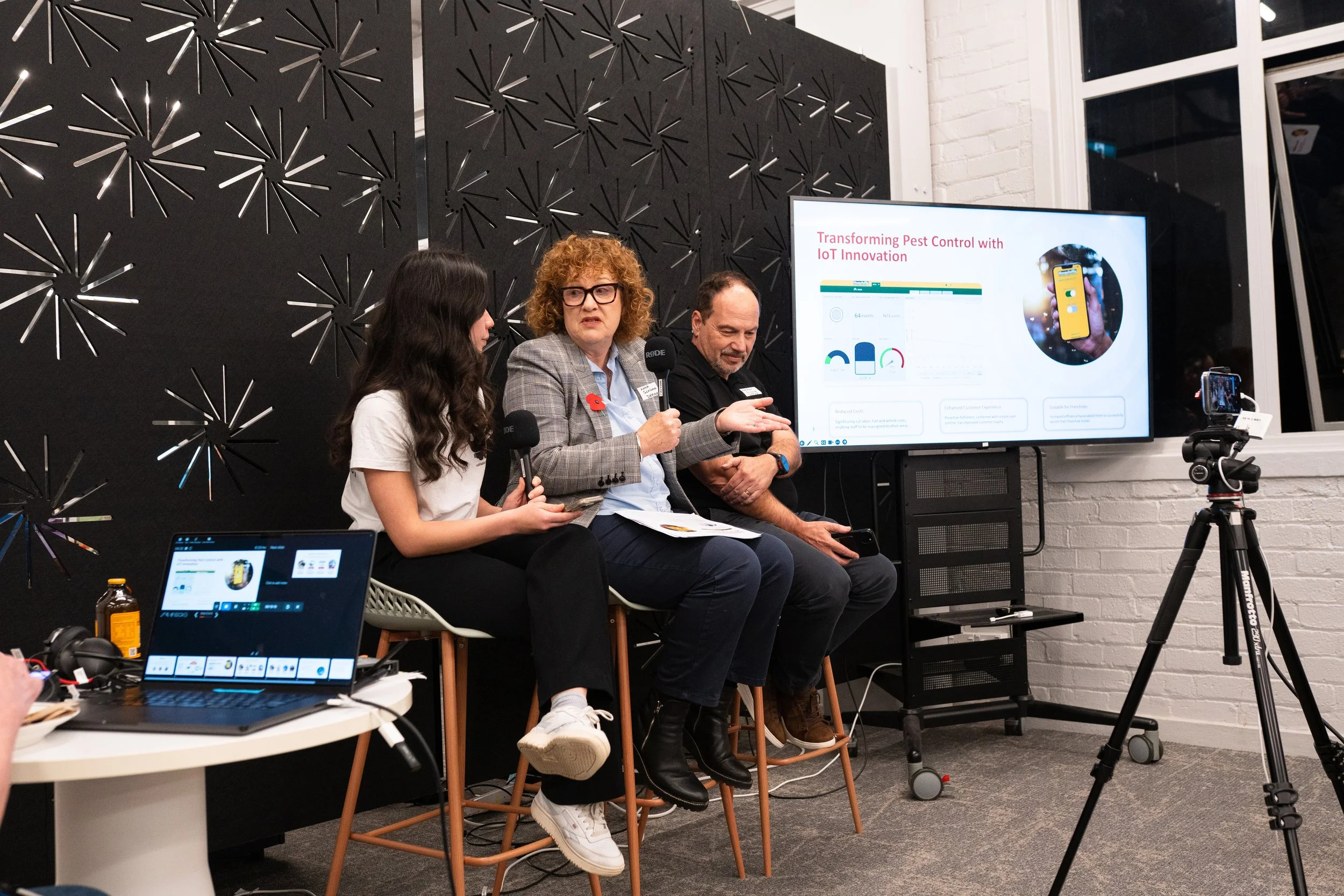
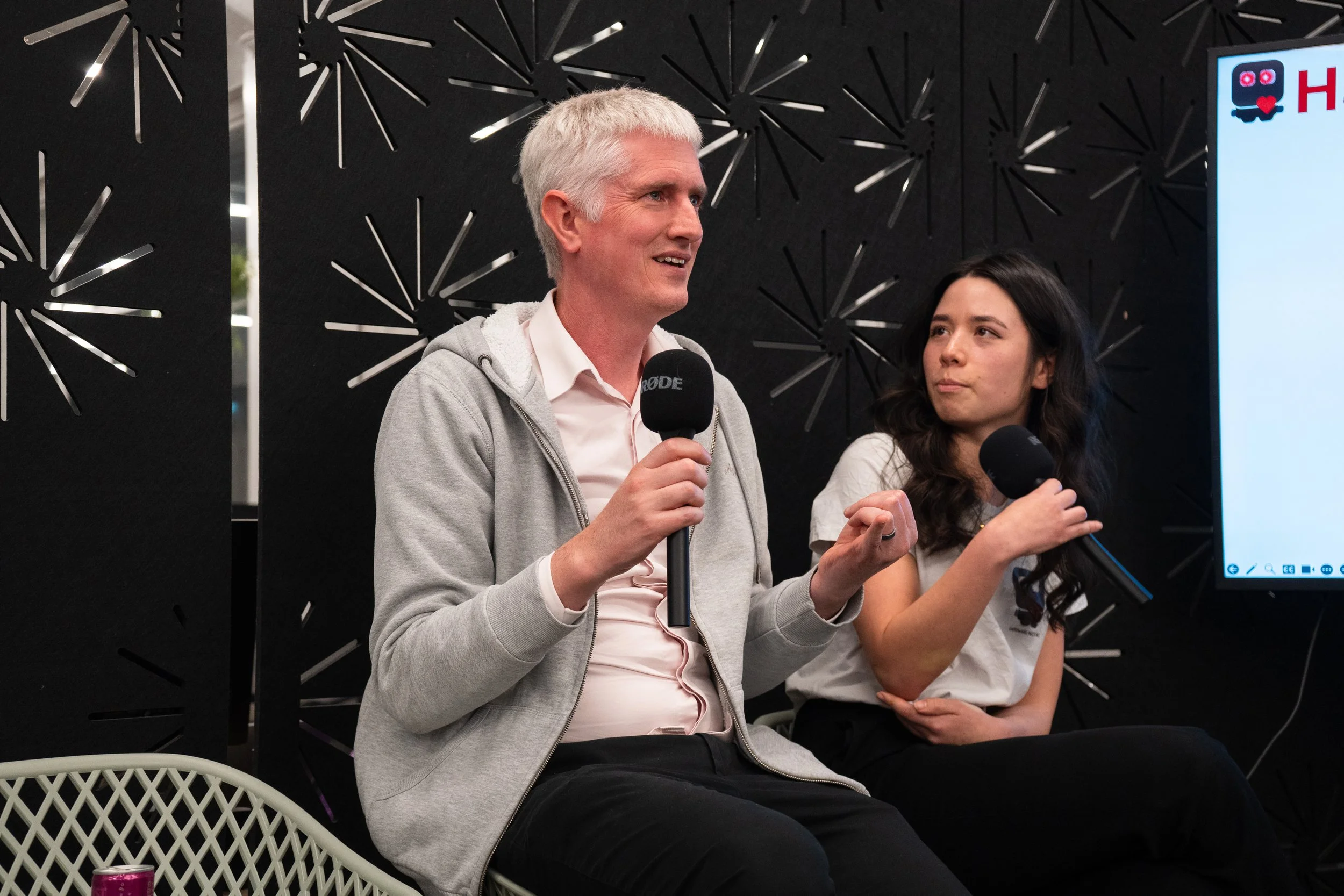
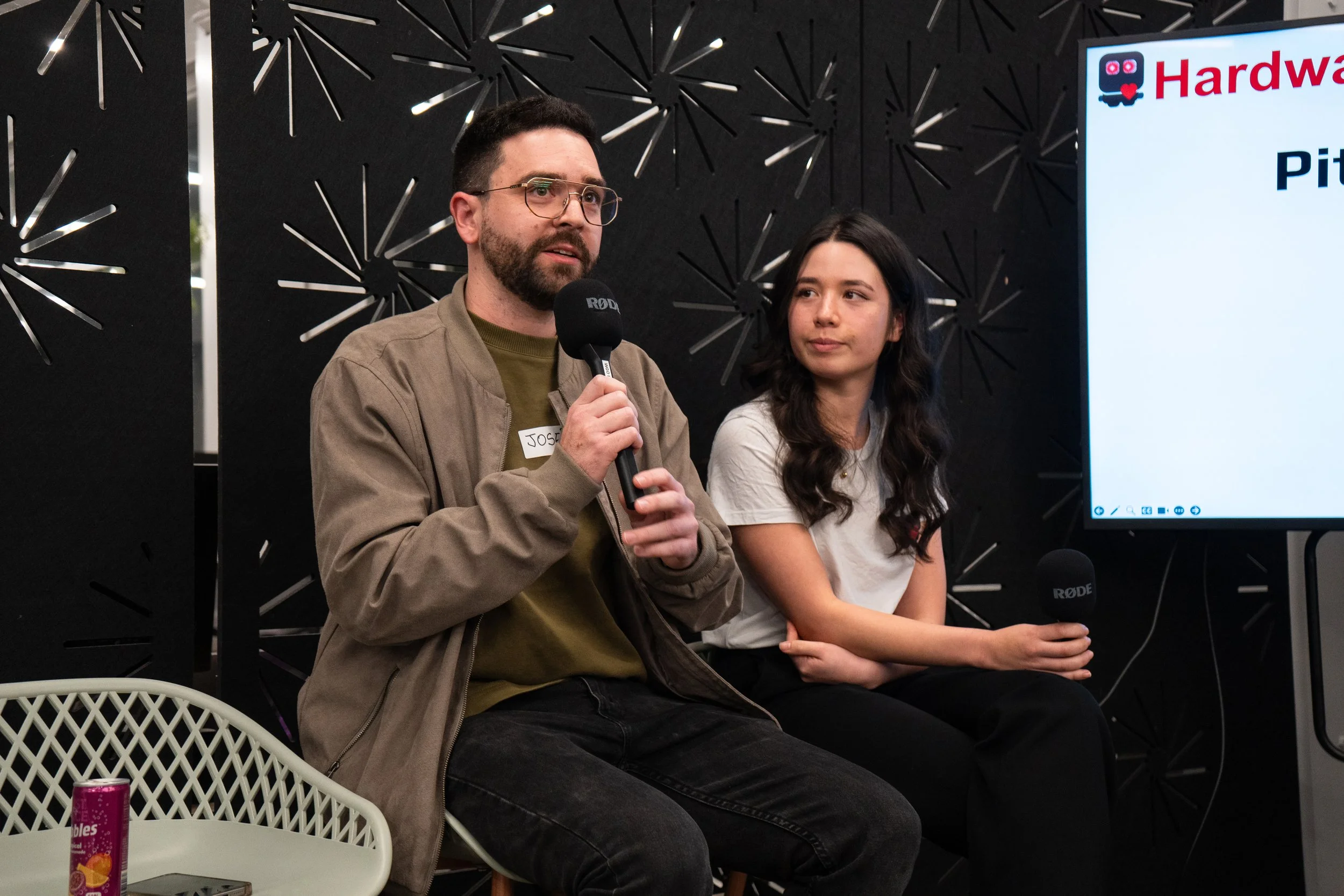
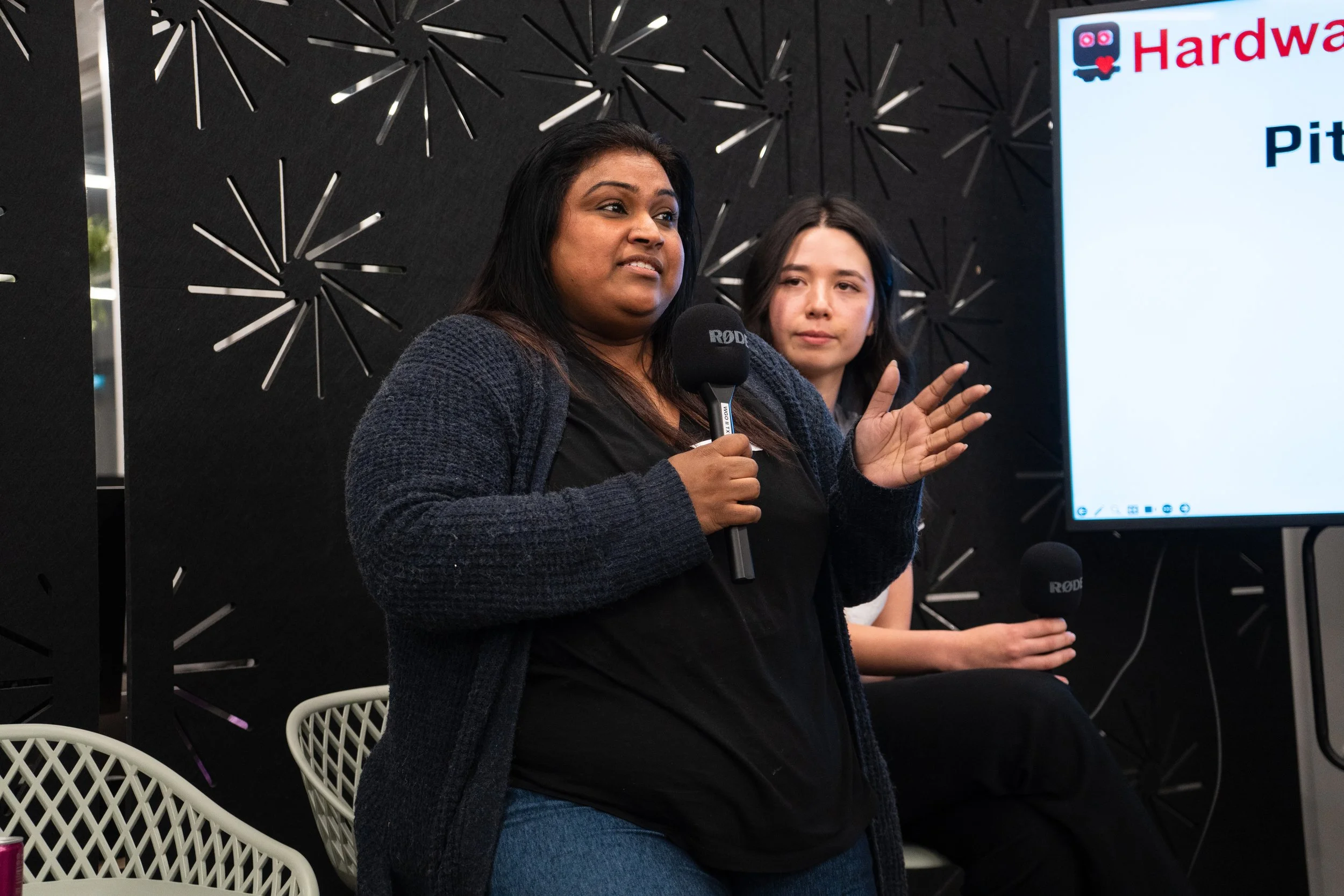
Anna and Anthony Glucina shared how Define Instruments has evolved from industrial control systems into a full-stack IoT platform — combining hardware, firmware, cloud, and data into actionable systems.
Their key insight: data alone isn’t valuable — action is.
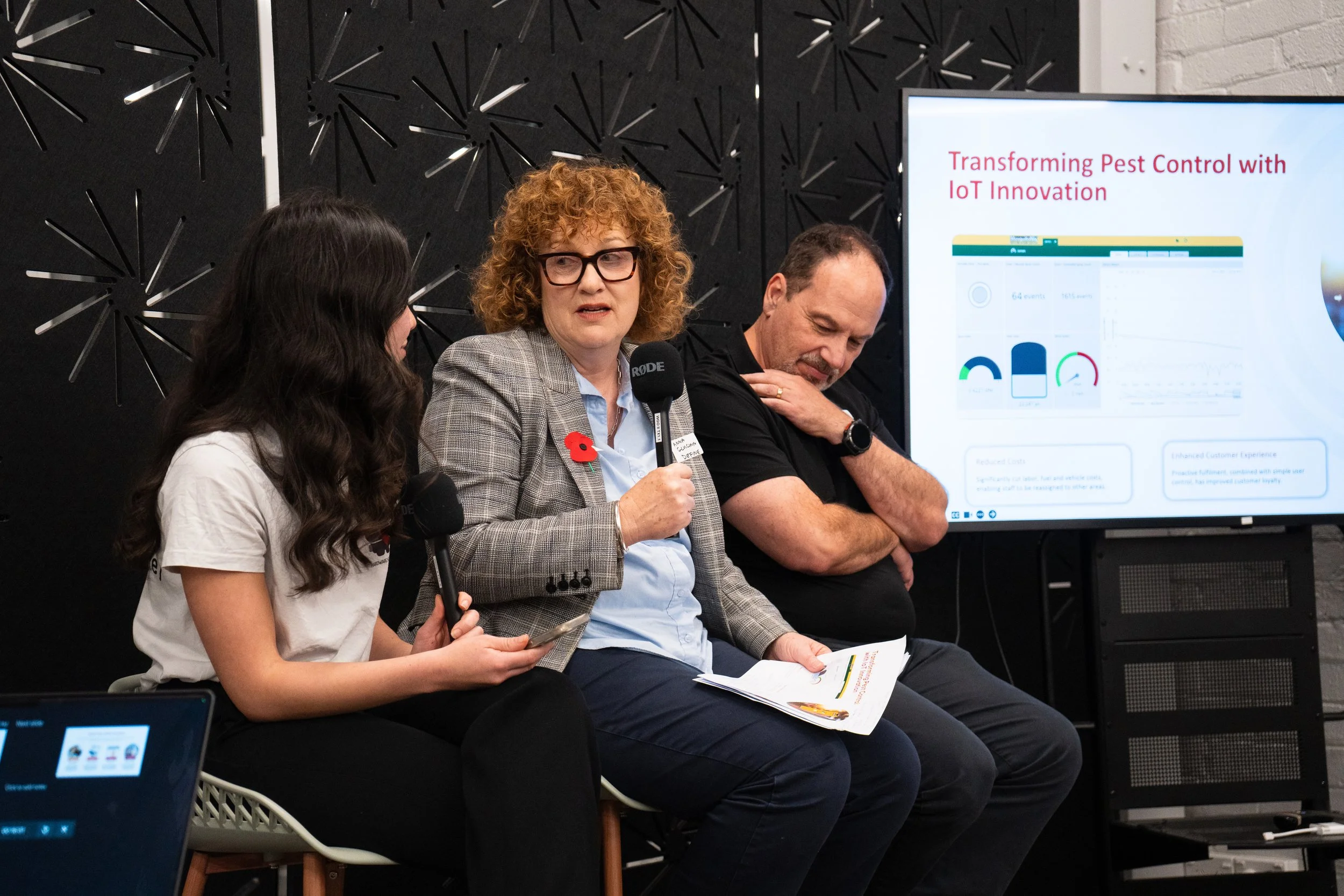
A standout example was a US-based pest control company:
Moved from fixed servicing schedules to dynamic, data-driven operations
Reduced trucks from 10 to 2
Dramatically improved customer satisfaction and scalability
Key lessons:
Start with a deep understanding of the problem, not the technology
Design systems that trigger action, not just monitoring
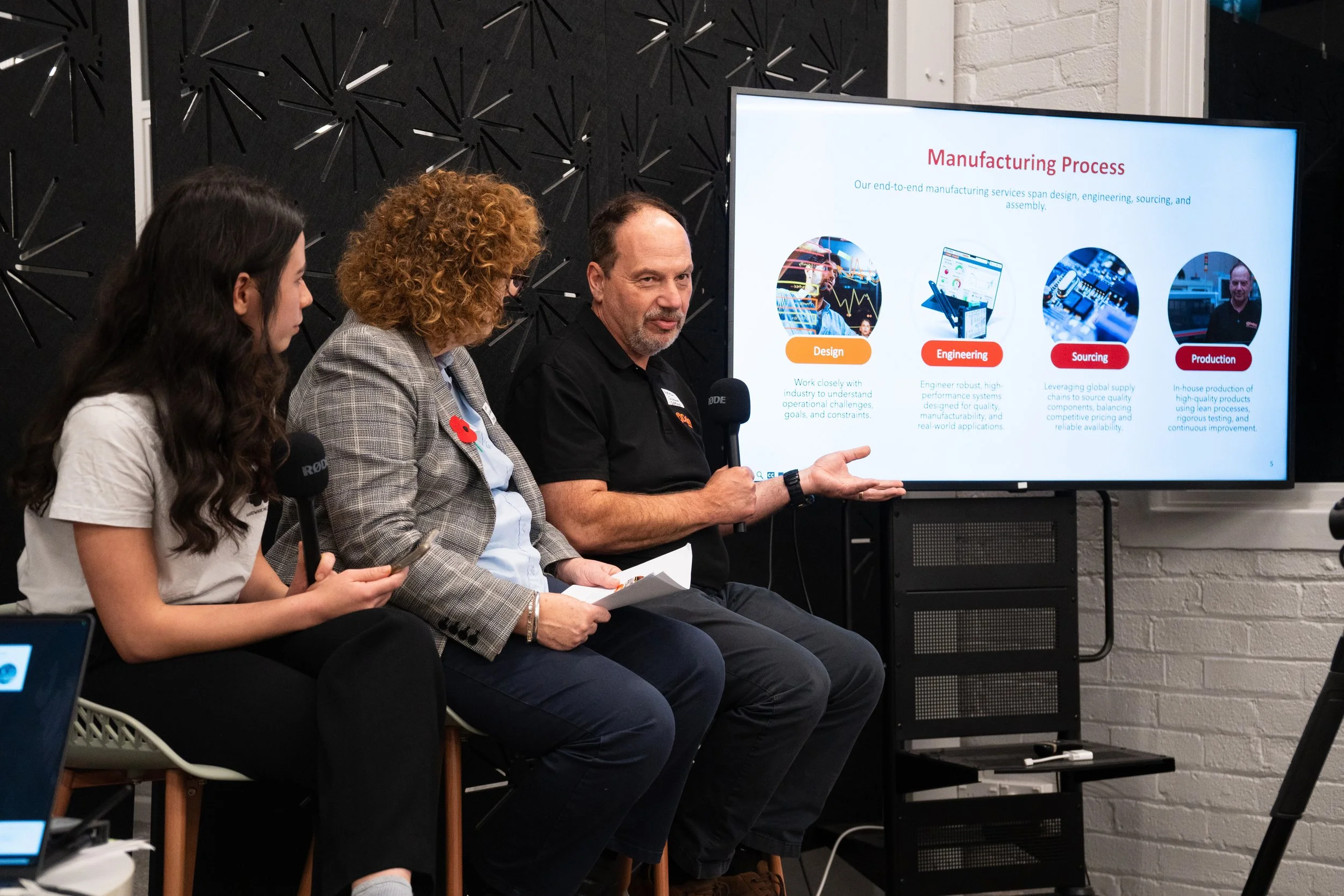
Manufacturing should be tightly integrated with engineering
They also highlighted the importance of:
Designing for testability and manufacturability from day one
Managing supply chain risk (especially post-COVID)
Building local capability for speed, flexibility, and quality
Fisher & Paykel Appliances — Scaling Design with Discipline
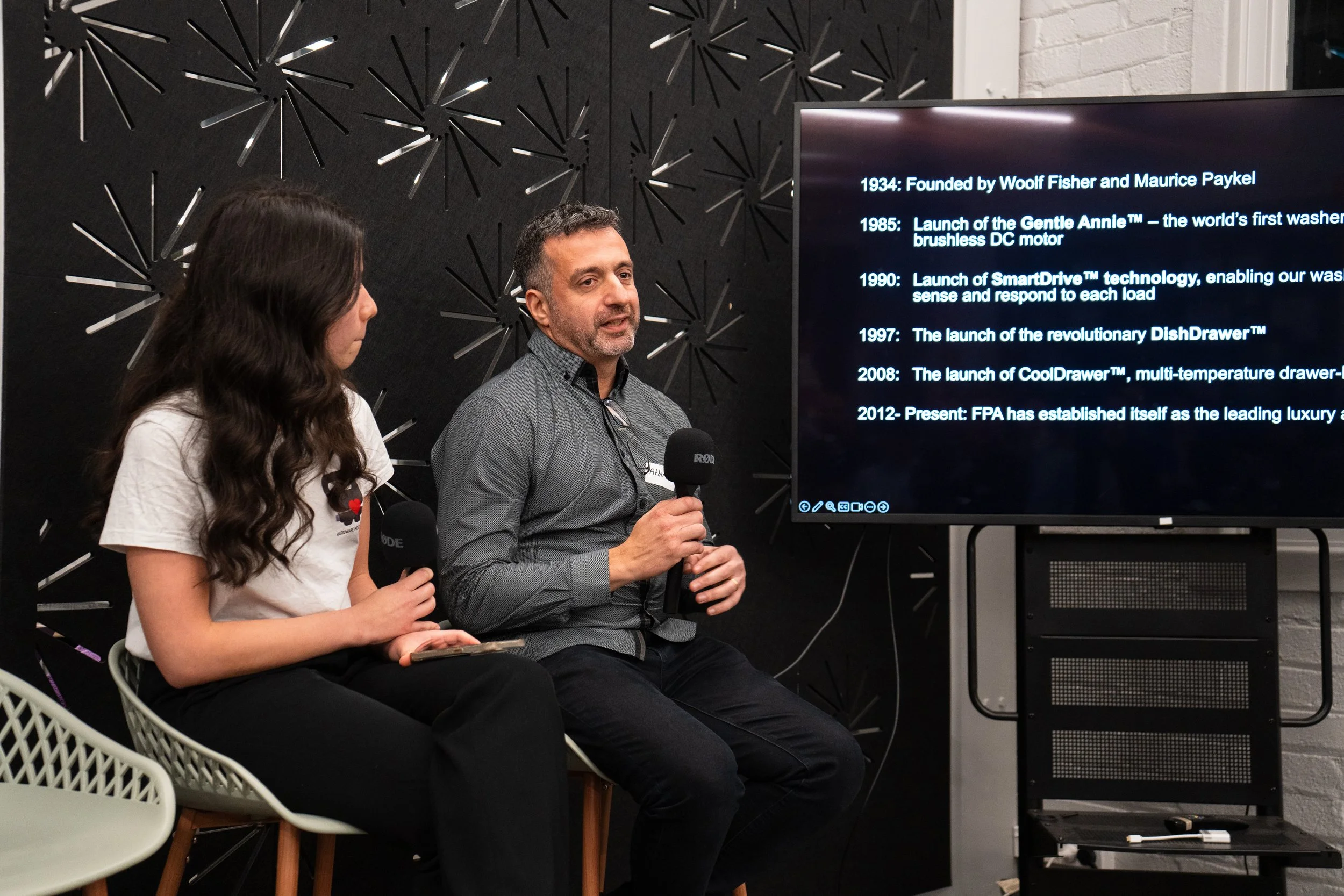
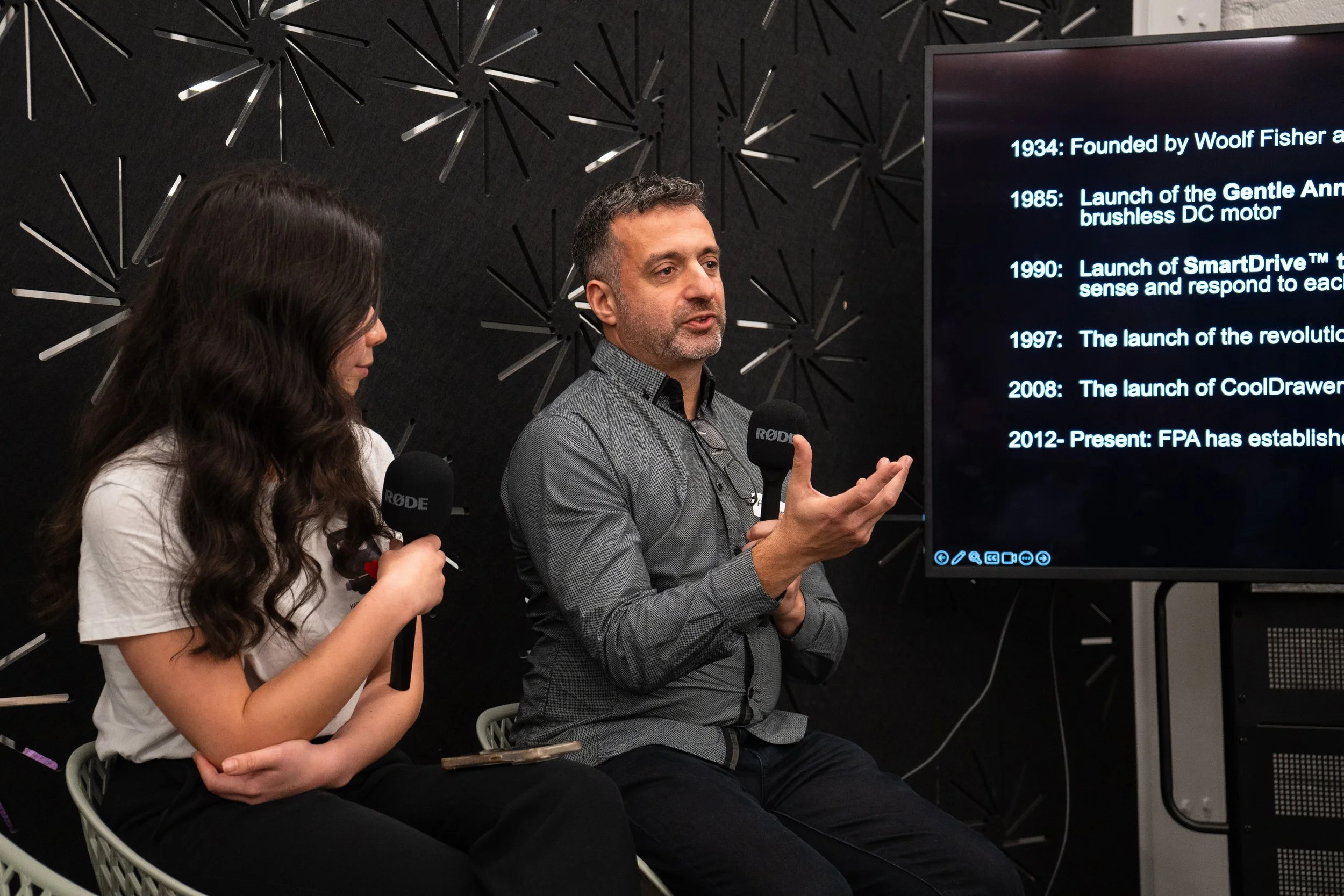
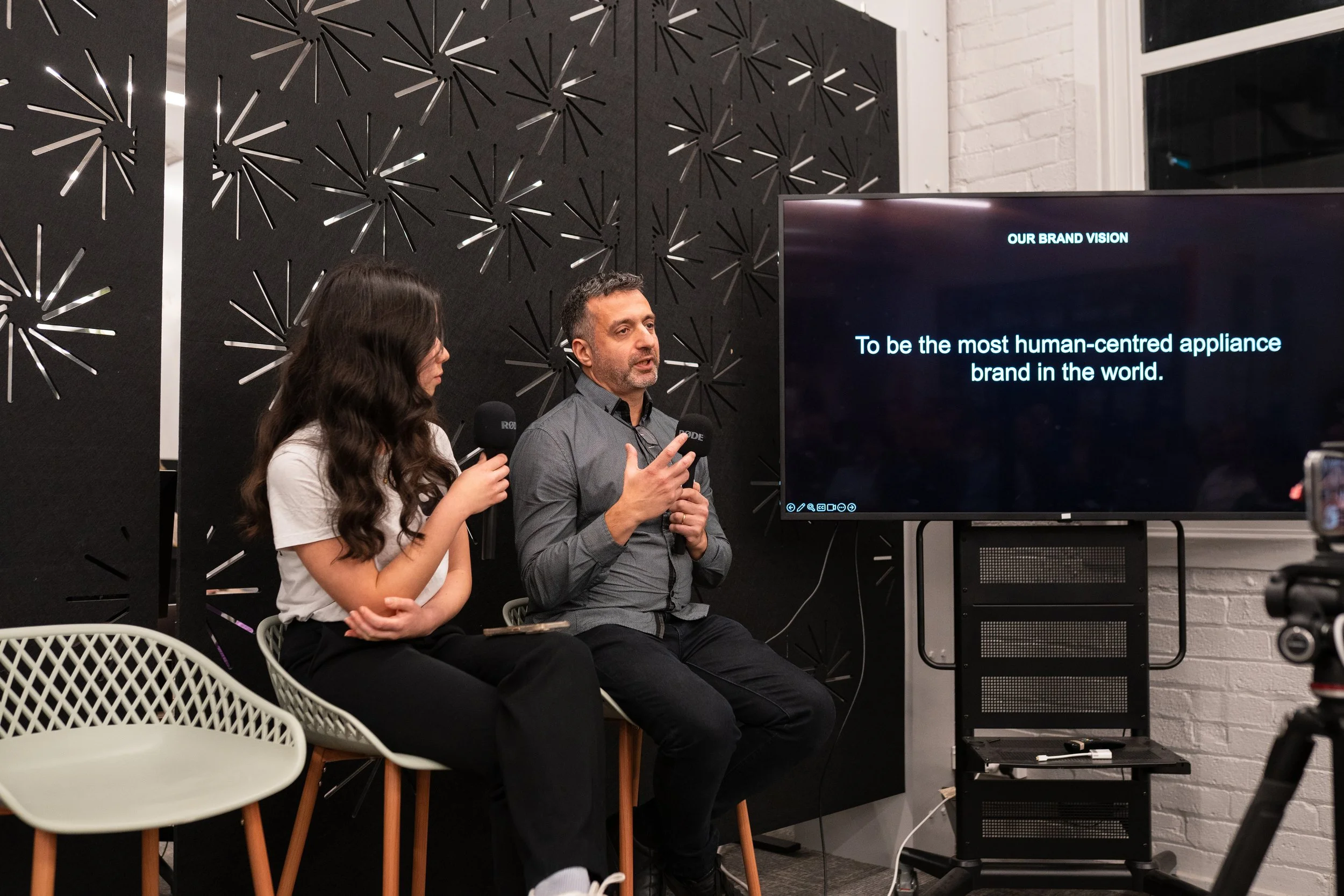
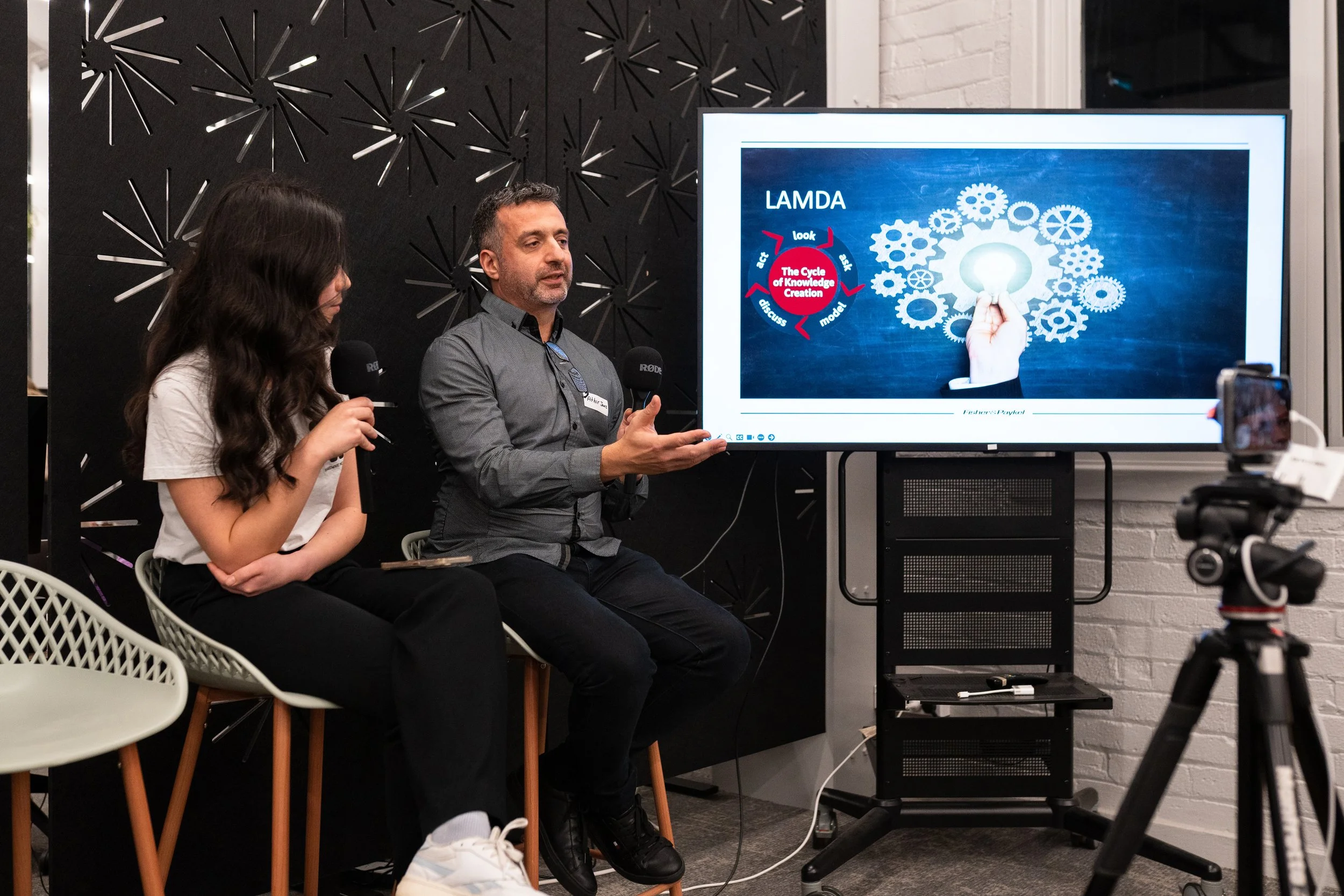
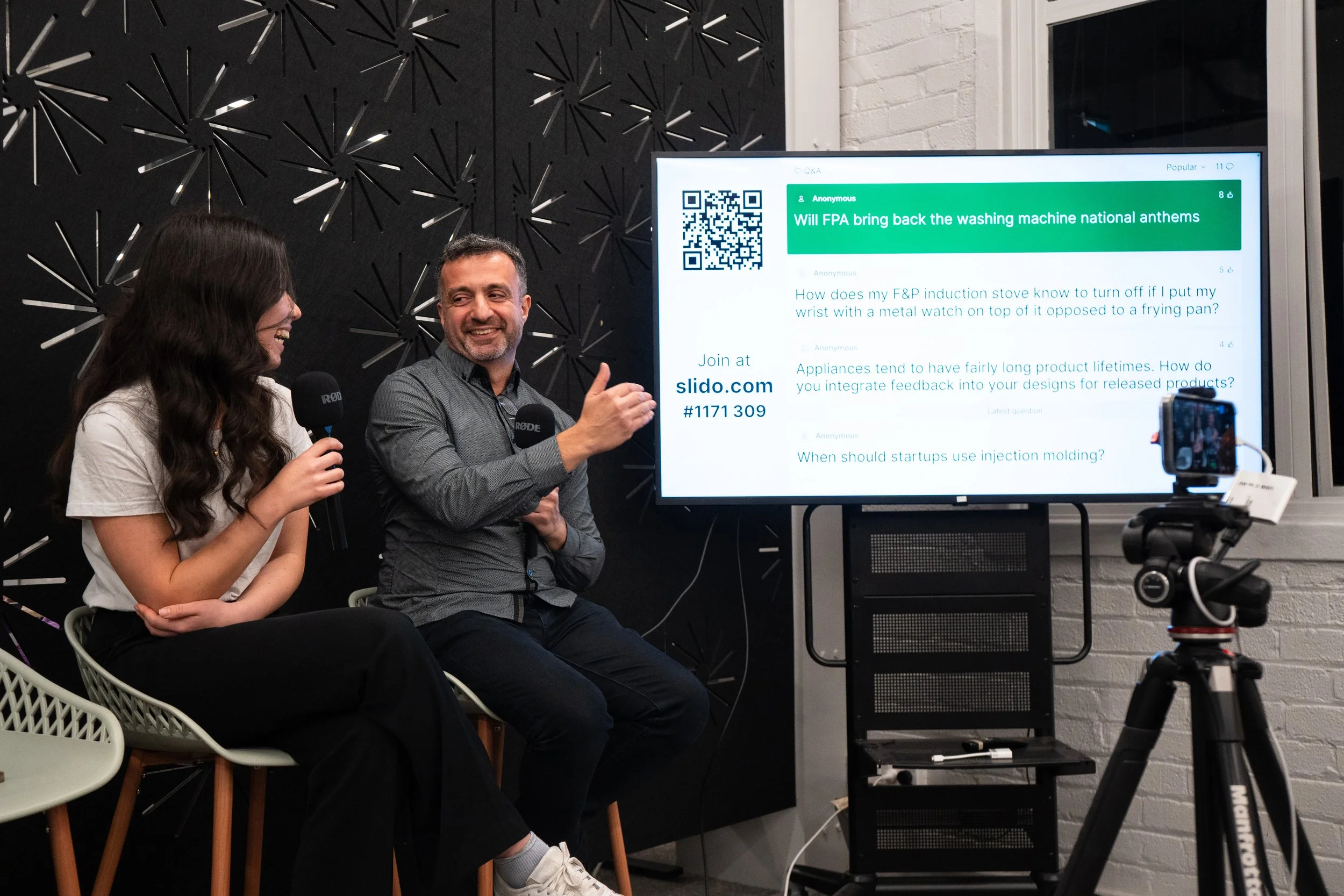
Athir walked through the evolution of Fisher & Paykel — from assembly origins to a global premium appliance brand.
Their approach centres on being human-centred, deeply understanding customer needs, and translating them into engineered solutions.
Their process:
Define customer requirements
Explore multiple parallel solutions (set-based design)
Validate against cost, reliability, and performance
Move into engineering trials → production trials → full production
A critical insight: Don’t jump to solutions — deeply understand the problem first.
They emphasised:
Capturing and reusing knowledge (avoiding repeated mistakes)
Designing for longevity and reliability
The shift from volume manufacturing → precision and detail in premium products
Offshoring introduced challenges (distance, communication), but over time evolved into a highly capable, collaborative system.
ENL (Electronic Navigation Ltd) — Building Marine Tech in NZ
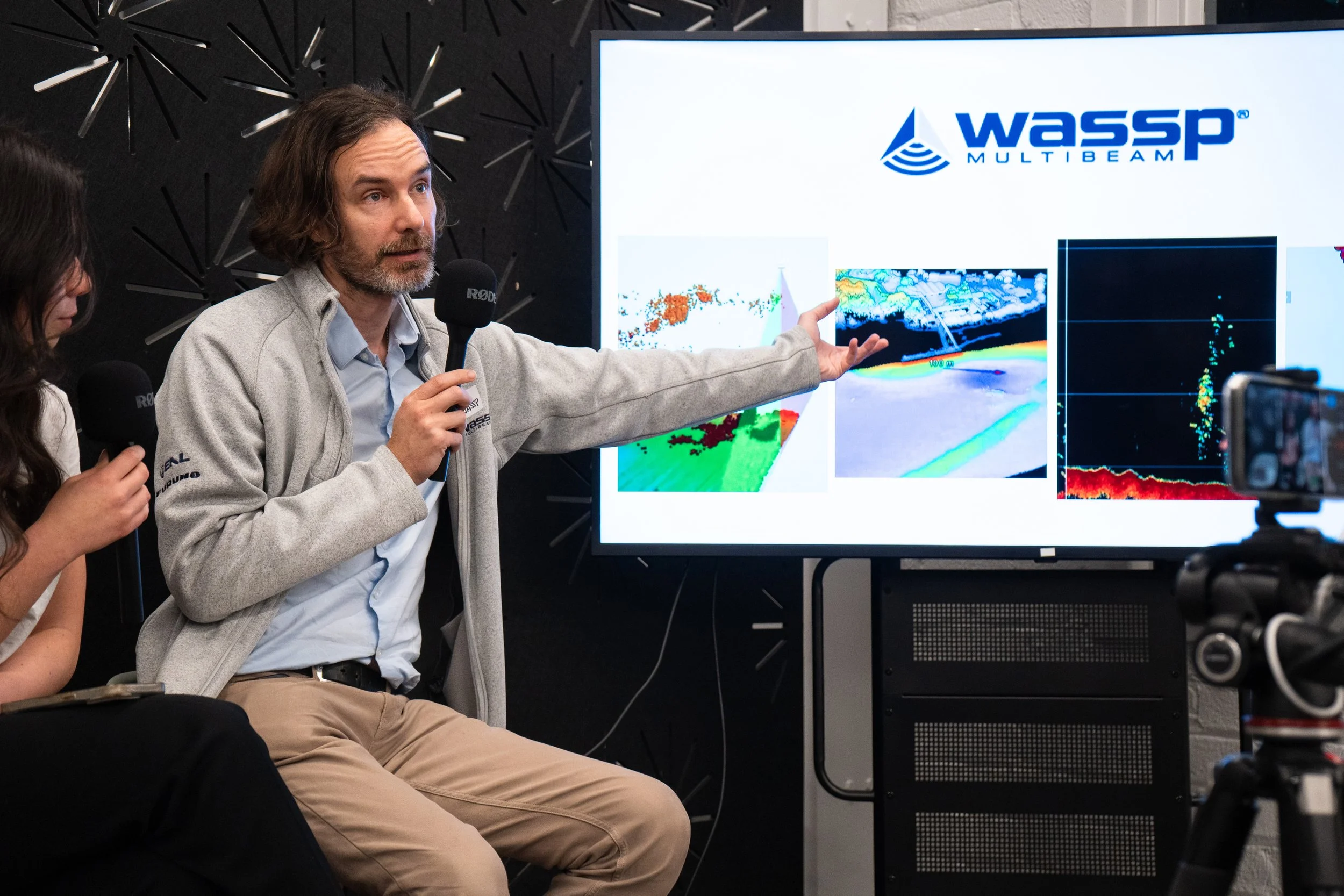
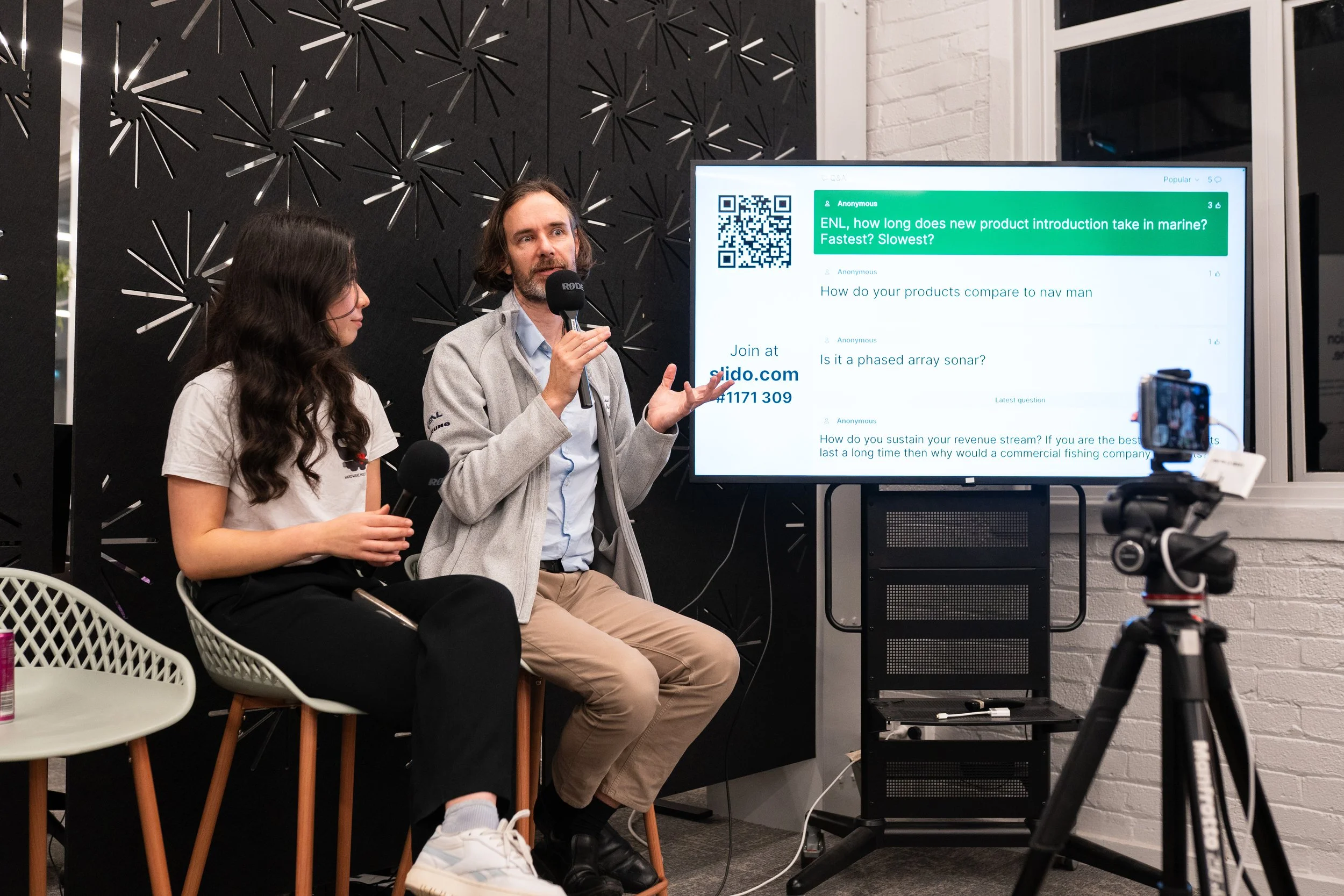
Matthew Taylor shared ENL’s journey building Wasp, a multi-beam sonar system used for commercial fishing and seabed mapping.
Unlike many companies, ENL has progressively brought more capability in-house:
Acoustic transducer manufacturing
Mechanical assembly
Calibration and testing
Software development
Key insight:
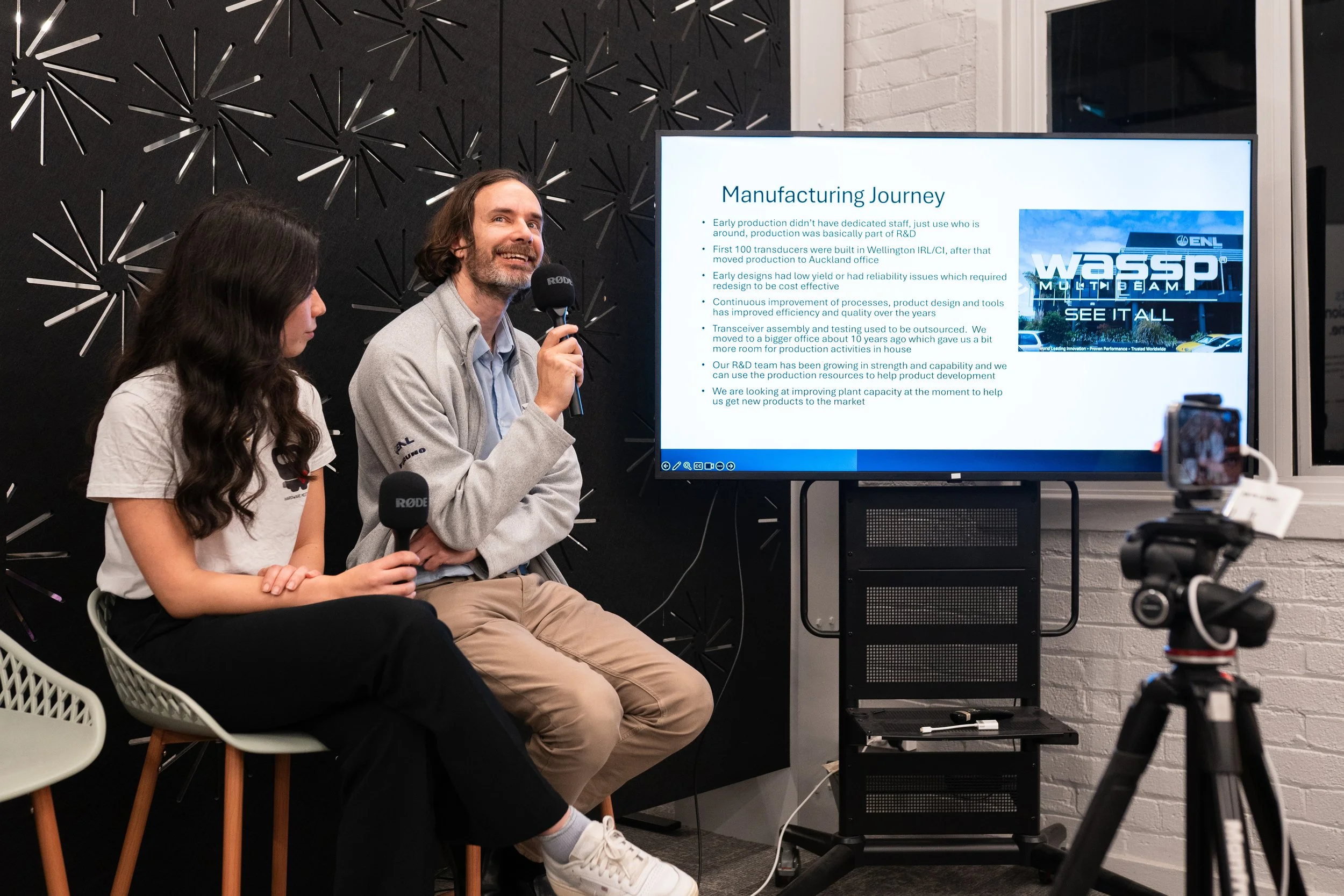
Manufacturing is iterative — you design, build, learn, and redesign.
Highlights:
Early production had 50% failure rates — forcing internal capability building
Strong focus on simplification for repeatability and quality
Deep customer insight comes from observing real-world use, not just asking
Customers don’t tell you what they need — you have to see it.
They also reinforced:
Start small (prototypes → low volume → scale)
Stay flexible — both in design and manufacturing strategy
Reuse IP wherever possible to accelerate development
Common Themes
Across all speakers, several patterns emerged:
1. Manufacturing Starts in Design
Decisions made early (components, layout, testing) determine cost, scalability, and reliability.
2. Supply Chain is Now Strategic
Post-COVID realities mean:
Long lead times
Component risk
Need for buffer stock and flexibility
3. Local vs Offshore is Context-Dependent
Local = speed, control, integration
Offshore = scale, cost
Many companies use hybrid approaches
4. Simplicity Wins
Simpler designs:
Reduce errors
Improve manufacturability
Increase reliability
5. Customer Understanding is Everything
Not what they say — but what they do.
Pitch Time
As always, pitch time brought energy and variety:
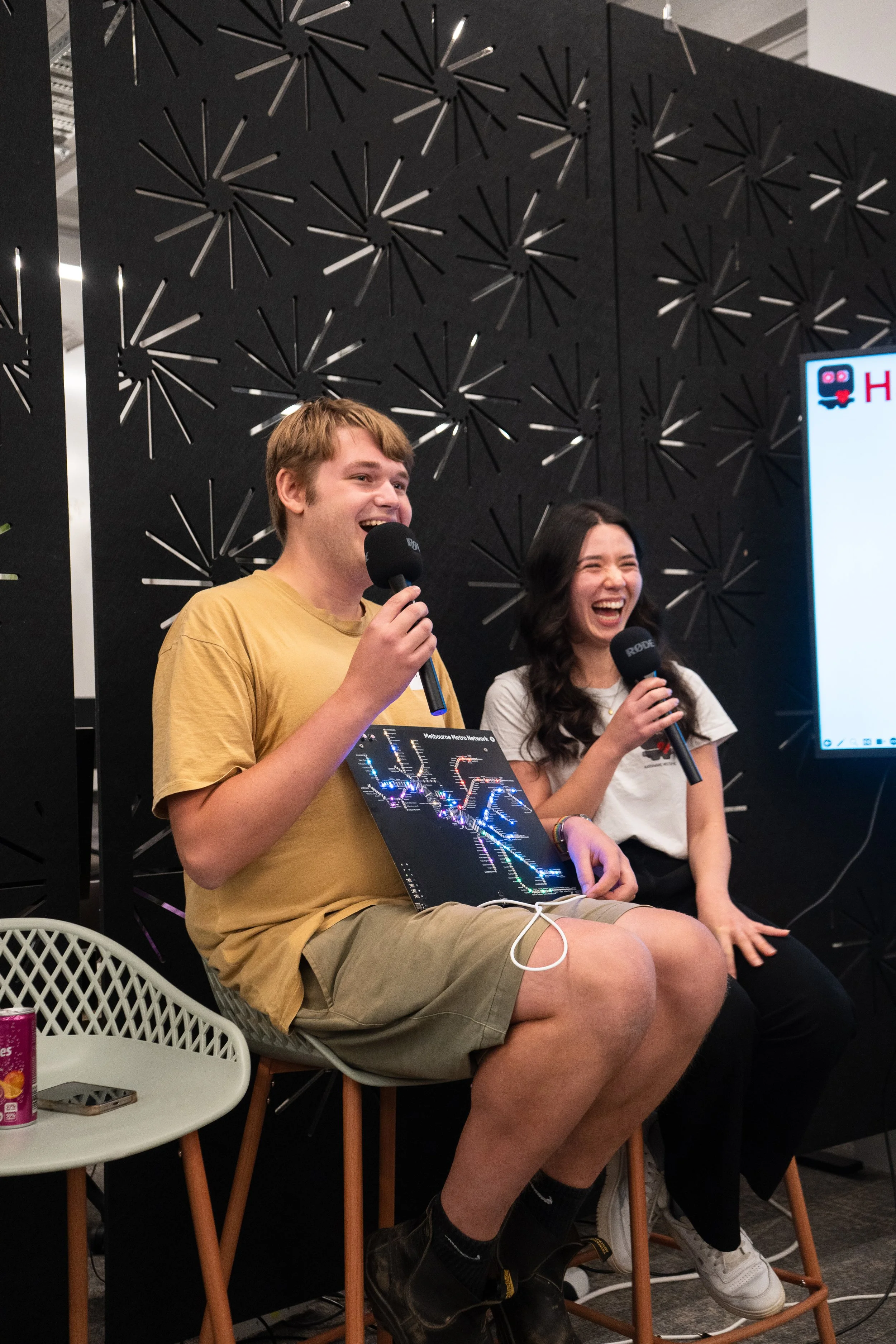
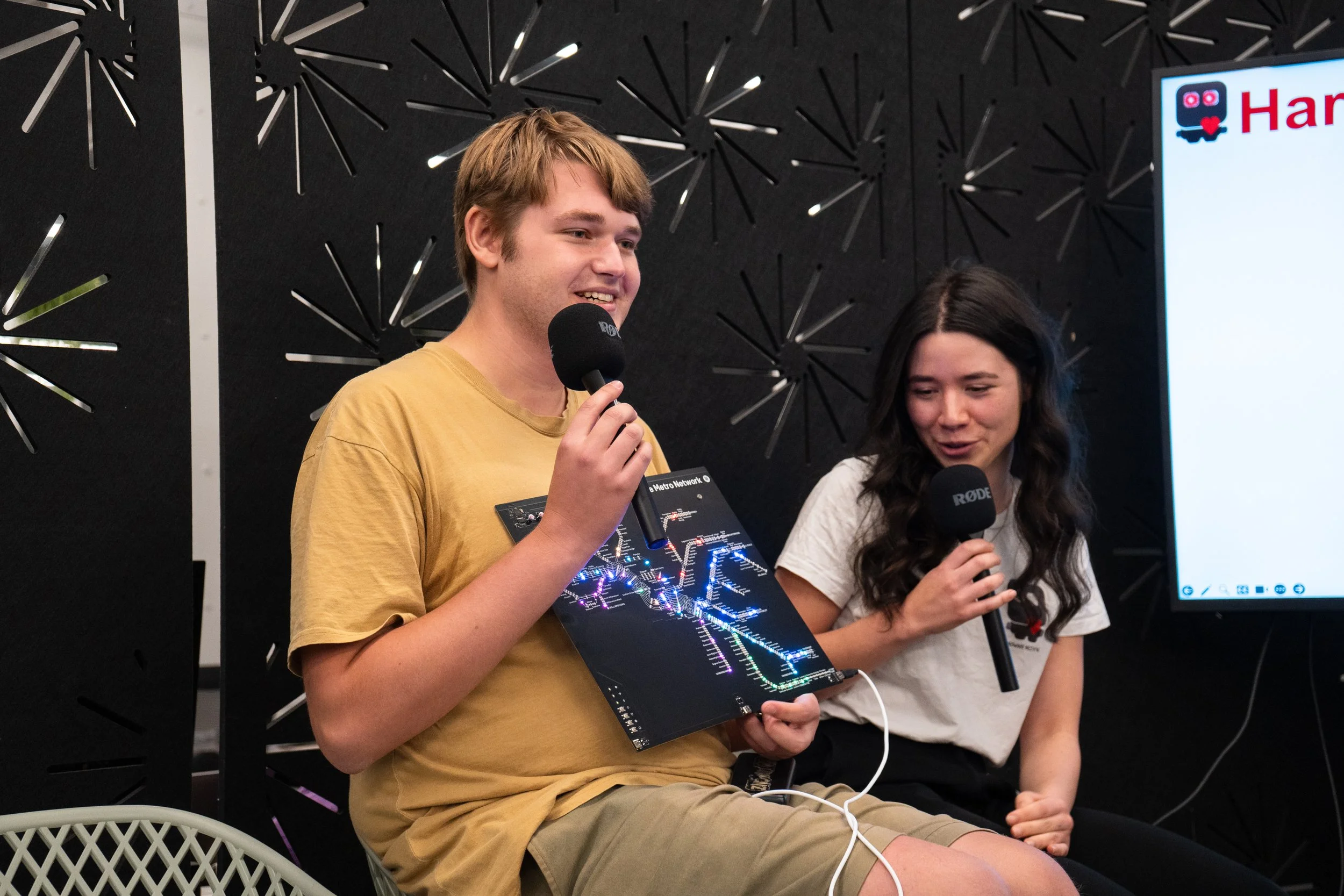
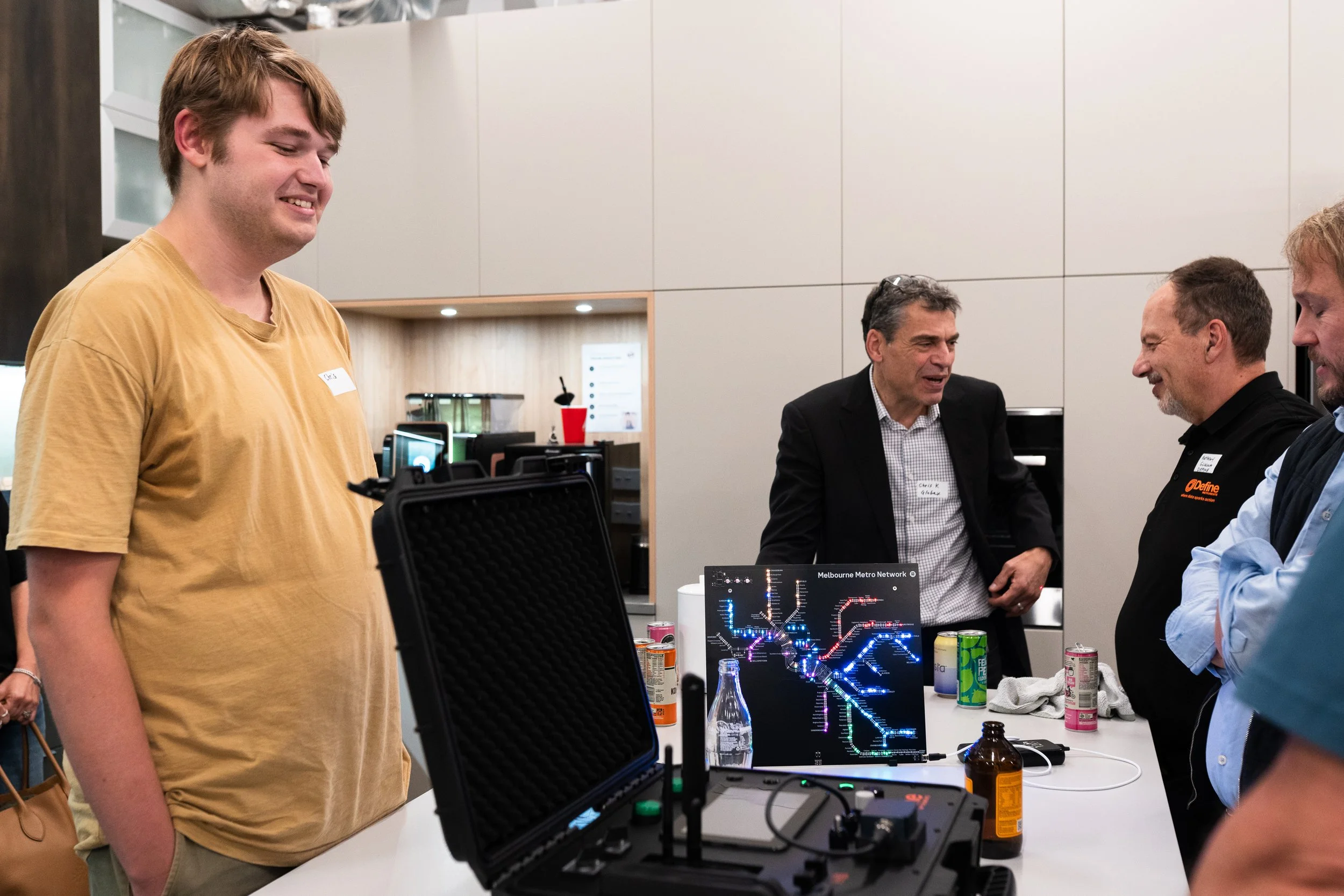
Chris — Real-time LED train maps (now sold 500+ units across NZ & Australia)
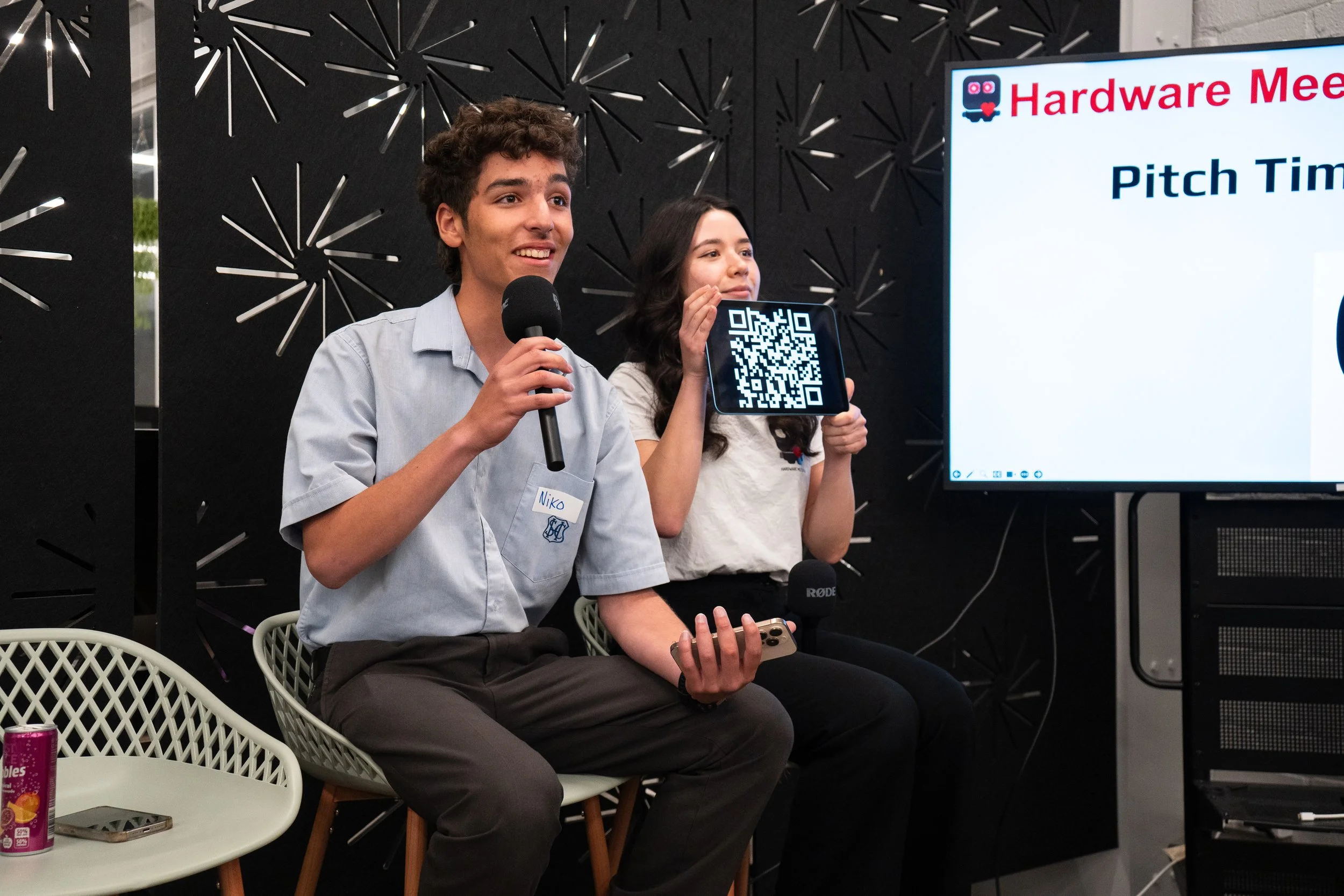
Nico (KiwiHacks) — A high school-led hackathon building the next generation of hardware talent
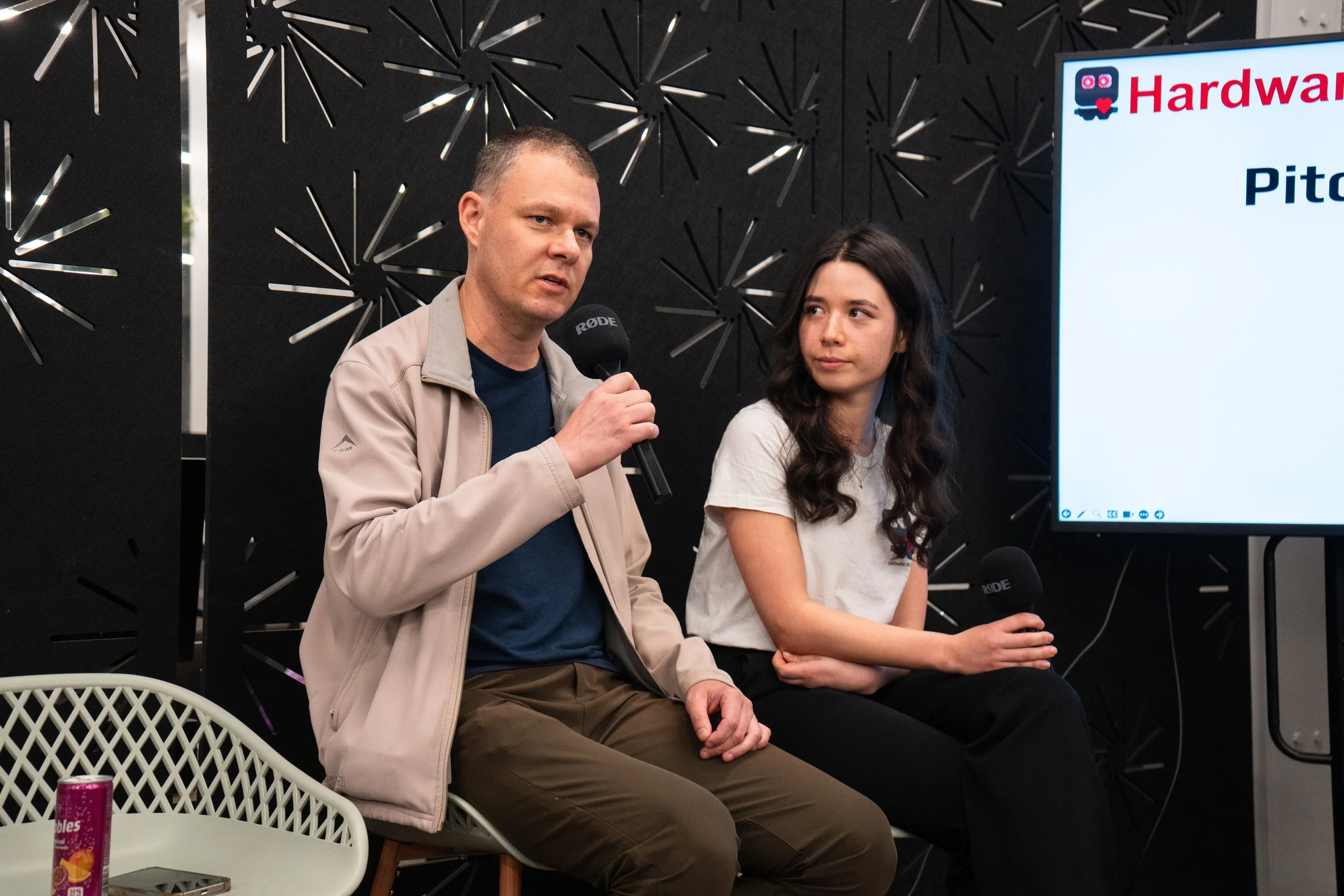
Gareth — Hardware product engineer open to new opportunities
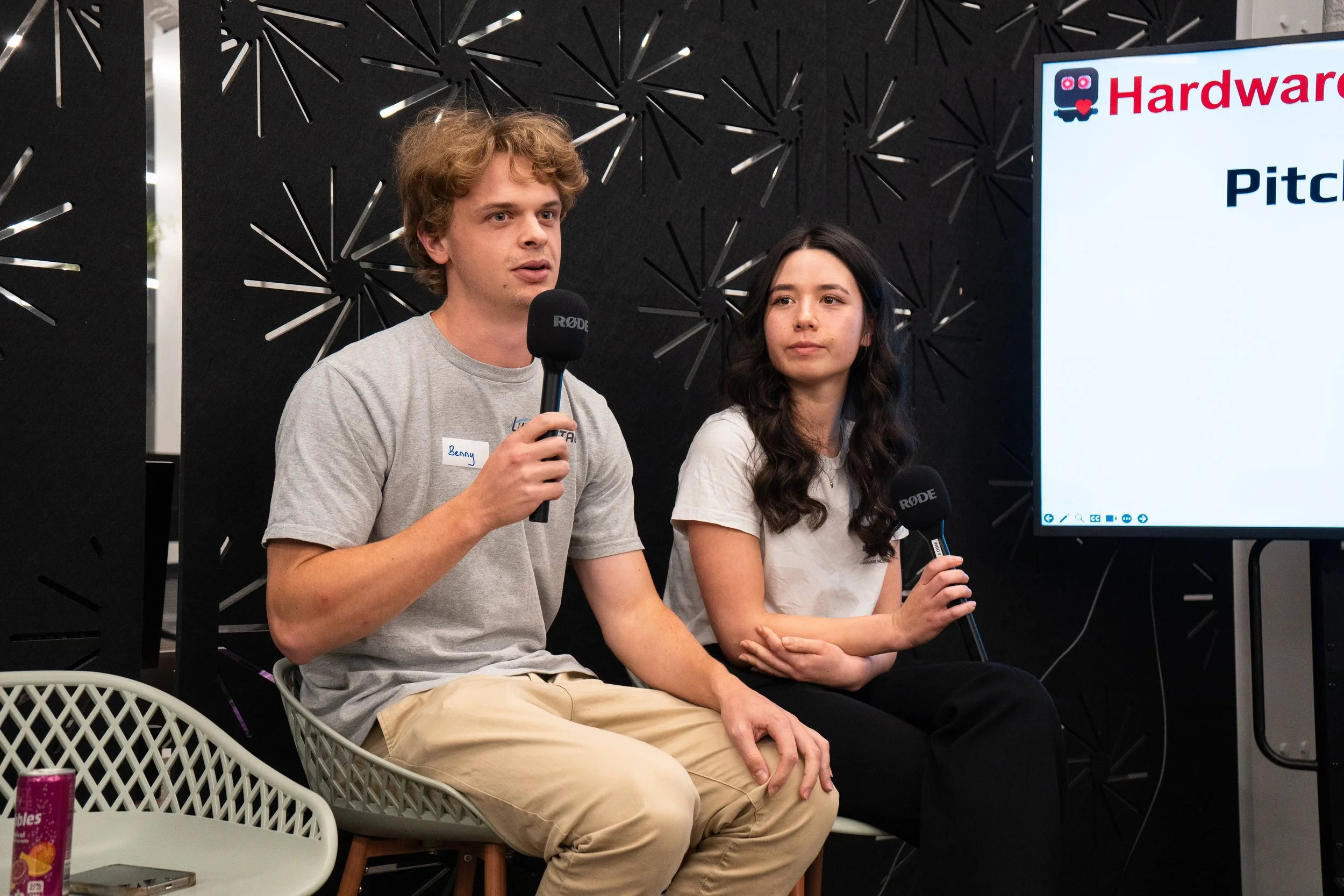
Benny (Lune Digital) — Hiring for embedded hardware/software roles
Kenneth — Mechatronics student looking for internships
From side projects to career moves, pitch time continues to showcase the depth of the community.
Closing
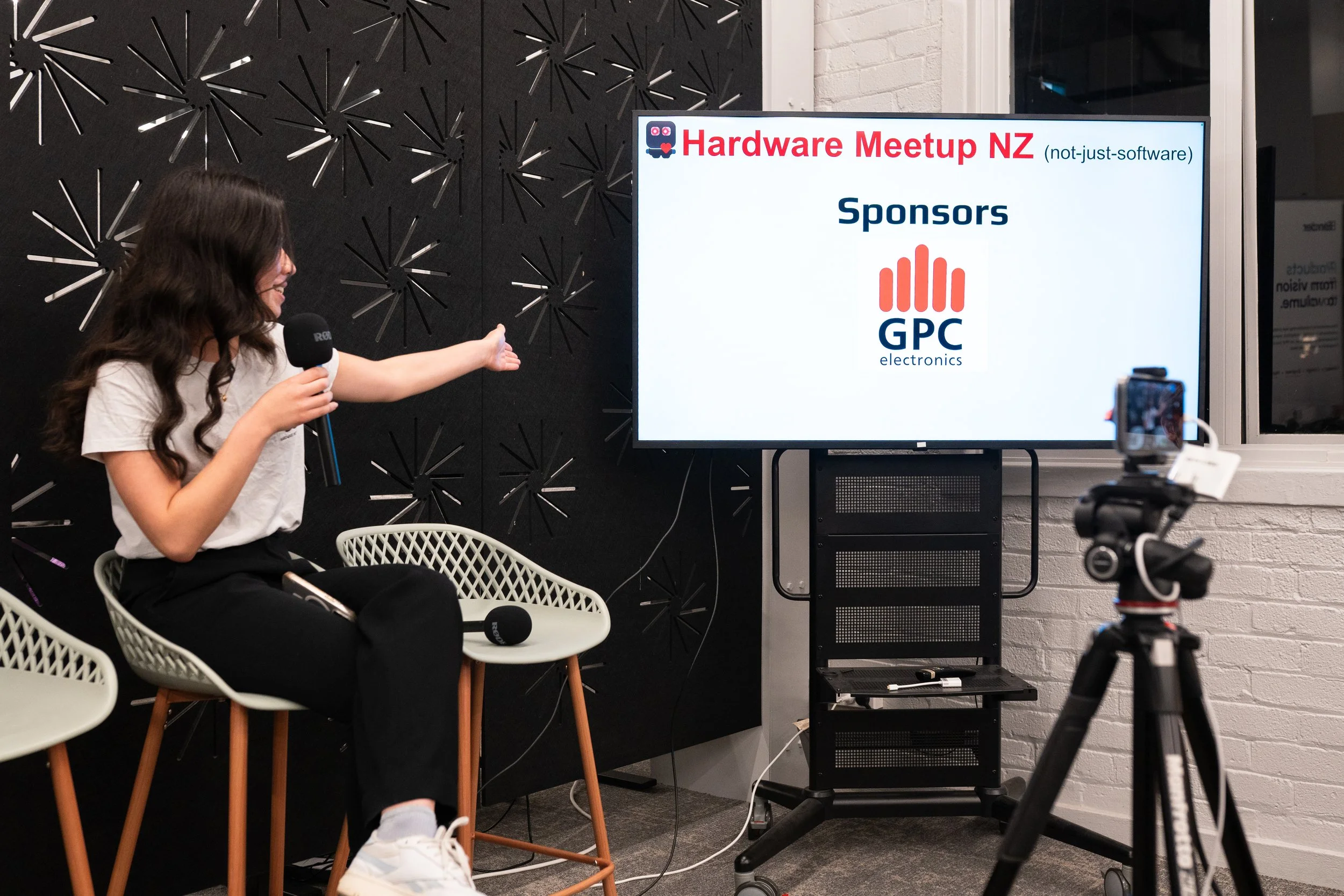
Mikayla wrapped up the evening, thanking speakers, sponsors, and attendees.
What stood out most was the openness — people sharing not just successes, but the messy realities of building hardware.
That’s what makes this community work.
Final Thoughts
Manufacturing isn’t just a step in the process — it’s a capability.
And in New Zealand, we’re seeing a growing number of companies building that capability locally, combining engineering, production, and systems thinking into something globally competitive.
What’s Next?
If you’re building hardware — or thinking about it — come along.
Hardware Meetup New Zealand (not-just-software) is where real stories get shared.
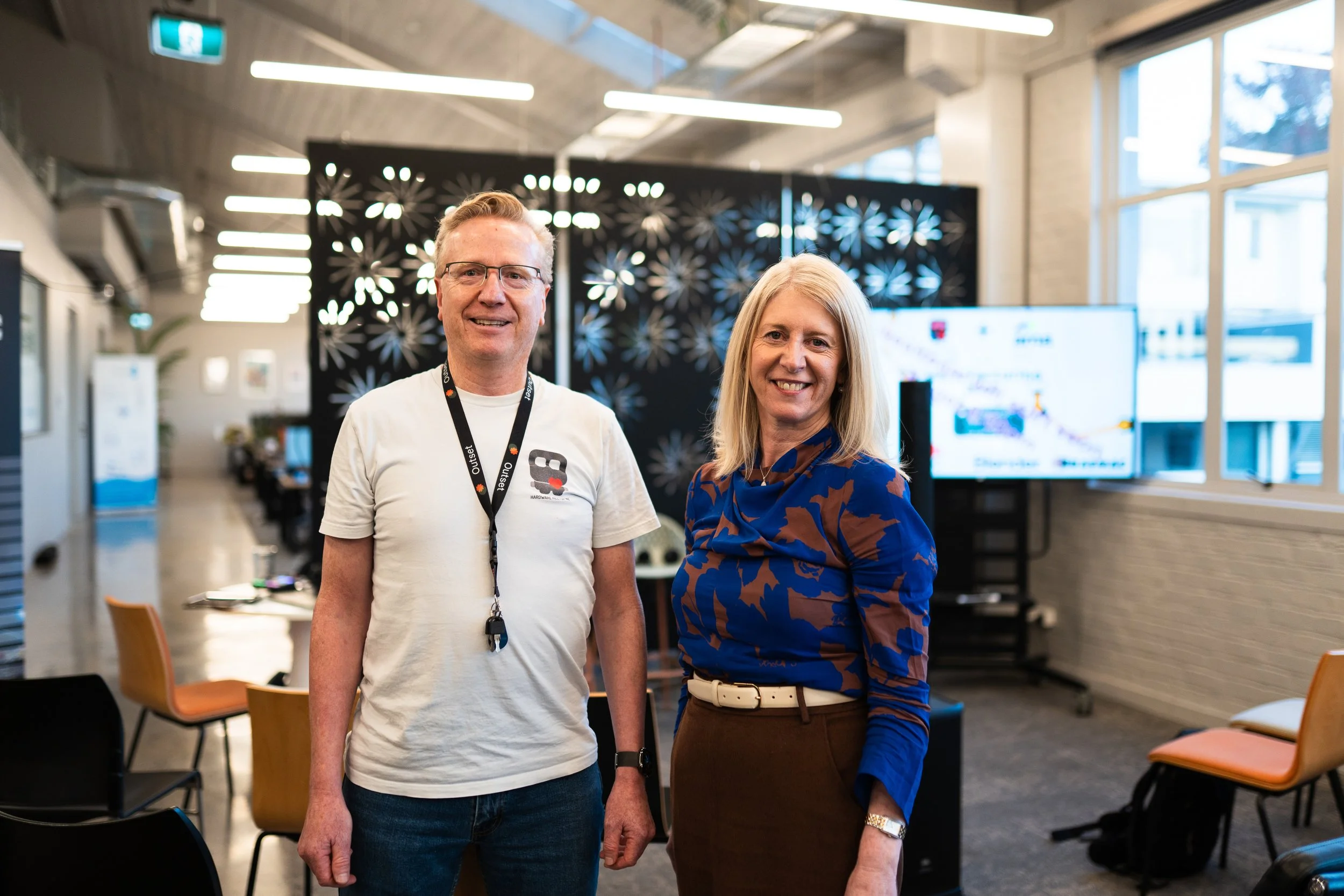
Speakers
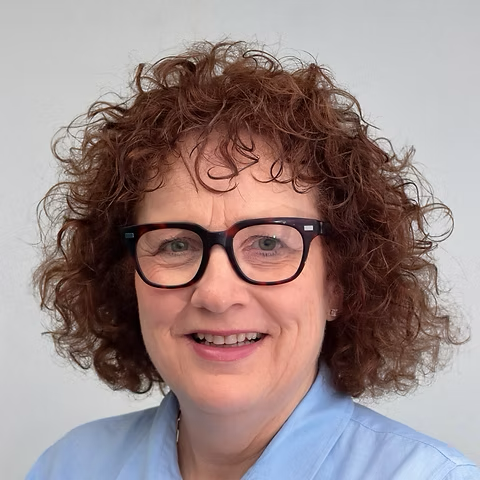
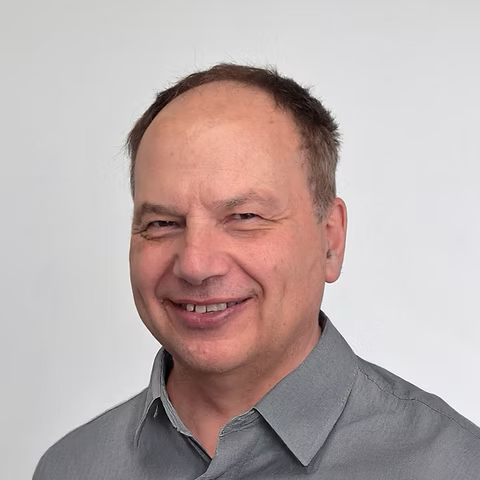
Anna and Anthony Glucina from Define Instruments
Anna Glucina is the Chief Operating Officer and is driving operational excellence and aligning our team to deliver exceptional results and customer value.
Anthony Glucina is the President and is leading innovation and growth in IoT, with a strong engineering background and a passion for delivering solutions that drive value for customers.

Athir Jaaz from Fisher & Paykel ApplianceS
Athir Jaaz is the Functional Leader for the Auckland Hardware Electronics team. He has been with Fisher & Paykel Appliances for over 22 years. He started his career as a Hardware Design Engineer, working on cooking and dishwashing products and managing the electronics subsystem (hardware and software) across various projects and product platforms, including Fabric Care, Refrigeration, Dishwashing, and Cooking.
For the past five years, he has been working as a Functional Leader. While part of his role involves supporting his team members to ensure project progress, a key focus for him is developing the team's engineering capability, which he finds highly motivating.

Matthew Taylor from ENL
Matthew Taylor has worked as an R&D software and electronics engineer for 18 years and as an R&D Manager for 7 years for Electronic Navigation Limited. He leads a team that designs multibeam sonar products from concept through to production. These products are designed and built in Auckland and shipped all over the world.

MC: Mikayla Stokes
Mikayla Stokes is a mechatronics engineer at Crown Equipment making autonomous forklifts. She loves using tech to make cool wearable things like a light-up dress or 3D printed earrings. She's passionate about creating an inclusive community where any kid can pursue a future in STEM, and is the two time overall female winner of the BrightSparks inventing competition.
Event Sponsors



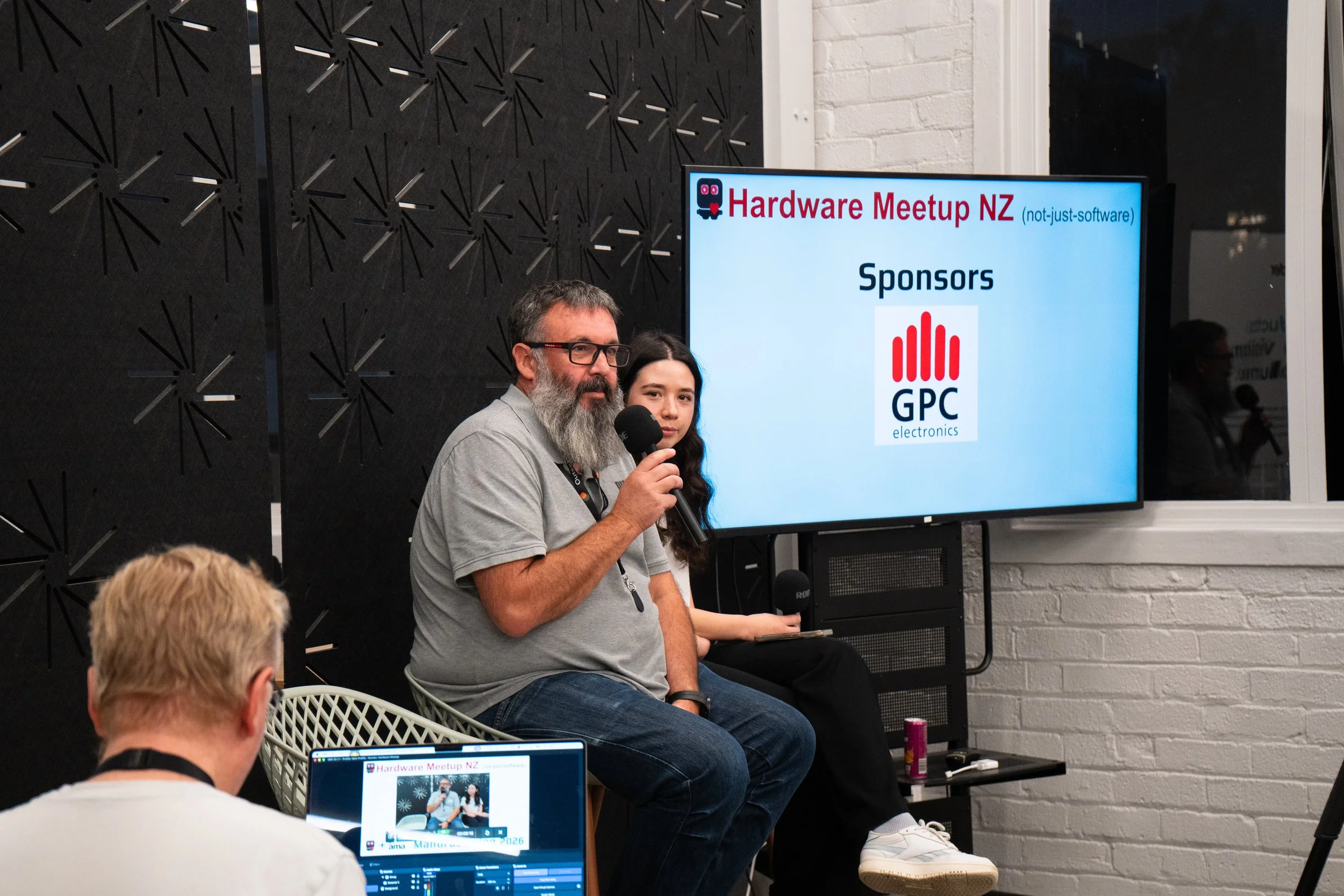
GPC Electronics
GPC Electronics, is Australasia's largest contract electronics manufacturers, specializing in a wide range of sectors including Industrial Controls, Power Electronics, Aerospace, Medical and Defence. GPC Electronics provides comprehensive services from design and prototyping to full-scale production and testing, leveraging advanced technologies to deliver high-quality electronic solutions globally.
Outset Ventures
Outset Ventures are committed to empowering overlooked science and engineering innovators to transform their ideas into groundbreaking ventures, helping them succeed at the critical early stages. As New Zealand's center of gravity for science and engineering startups and scaleups, Outset is home to a community of 40+ founder-led companies, 5000 square meters of laboratory and workshop spaces, and the country's most active deep technology investment fund.
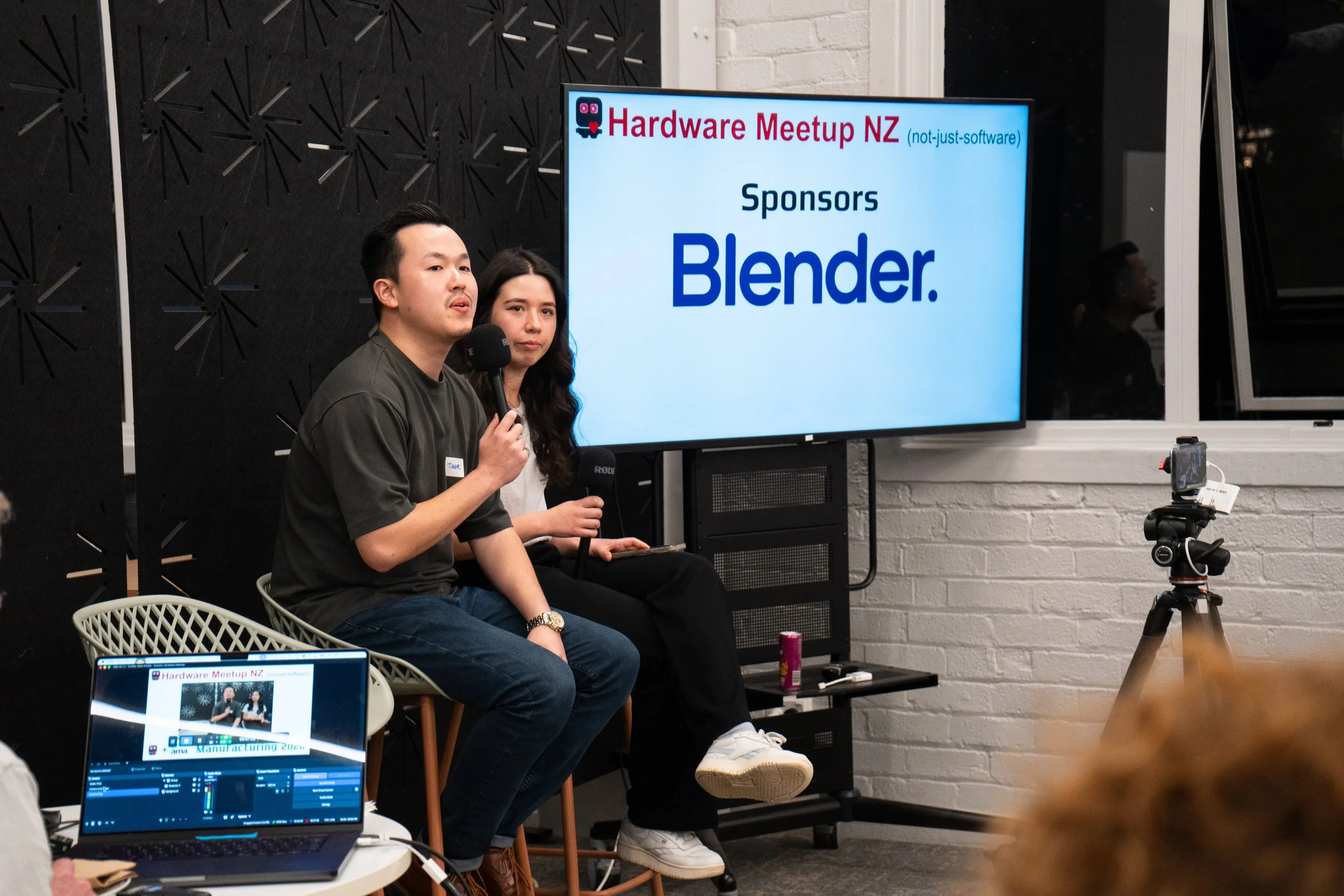
Blender
Blender is a product design and development consultancy. Their collaborative approach, strategic design process and technical know-how deliver engineered, purpose-made products. Since 2006 Blender partnered with many incredible companies, helping them to realise their vision and shape the future, by supporting them with exceptional product design, prototyping, engineering, and manufacturing services.
Braemac
Braemac is a global leader in the distribution of semiconductor components and electronic systems as well as value-added services. Empowering engineers and developers for over 40 years–Braemac features expert in-house engineers, extensive design-phase support, state-of-the-art distribution, value-add facilities, comprehensive supply chain solutions, and unparalleled customer service. Braemac offers solutions for diverse markets and applications, helping customers streamline development, reduce costs, accelerate time to market, and support long term interoperability.
Connect With Hardware Meetup NZ
Follow us on Meetup, LinkedIn, and Instagram, and sign up to receive event updates.
Event Alignment: This is an independently run initiative and is not aligned with any one organisation.
Media Permissions: By attending this public event, you grant Hardware Meetup NZ permission to photograph, video record, and audio record the event and to use these photos, videos and recordings in our website and Social Media Channels.
RECAPS